
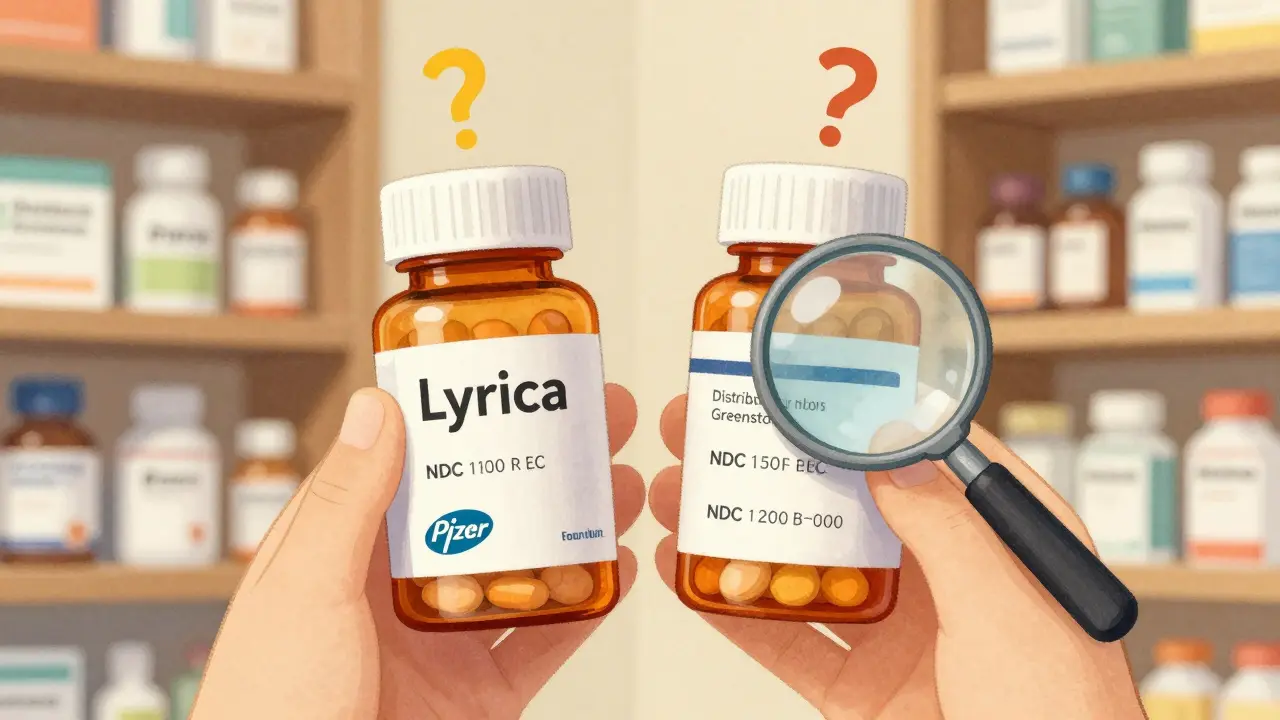
When you pick up a prescription, you might not notice the difference between a brand-name drug and its generic version. But there’s a hidden category that’s harder to spot-authorized generics. These aren’t the typical generics you’re used to. They’re made by the same company that makes the brand-name drug, in the same factory, with the exact same ingredients. The only real difference? The label and the box. And if you don’t know what to look for, you could easily miss it-or worse, mistake it for something else.
What Makes an Authorized Generic Different?
An authorized generic is not approved through the usual generic pathway (ANDA). Instead, it’s sold under the original brand’s New Drug Application (NDA). That means it’s not just similar to the brand drug-it’s identical. Same active ingredient. Same inactive ingredients. Same shape, size, and color of the pill. Even the manufacturing line is the same. The only changes are on the outside: the label, the packaging, and sometimes the name on the box. For example, when Pfizer sold an authorized generic of Lyrica (pregabalin), the capsules looked exactly like the brand version. But instead of saying "Pfizer," the label said "Greenstone LLC." That’s not a mistake. That’s how it’s supposed to be. Greenstone is Pfizer’s own generic subsidiary. The FDA allows this under the Medicare Prescription Drug, Improvement, and Modernization Act of 2003. The goal? Let brand companies stay competitive during the first 180 days after a patent expires, when the first generic applicant gets exclusive rights.How to Spot an Authorized Generic by the Label
The easiest way to tell an authorized generic from a regular generic or brand drug is to check the label. Here’s what to look for:- No brand name-The drug’s brand name (like "Lyrica" or "Protonix") won’t appear anywhere on the label. Instead, you’ll see the generic name (e.g., "pregabalin" or "pantoprazole").
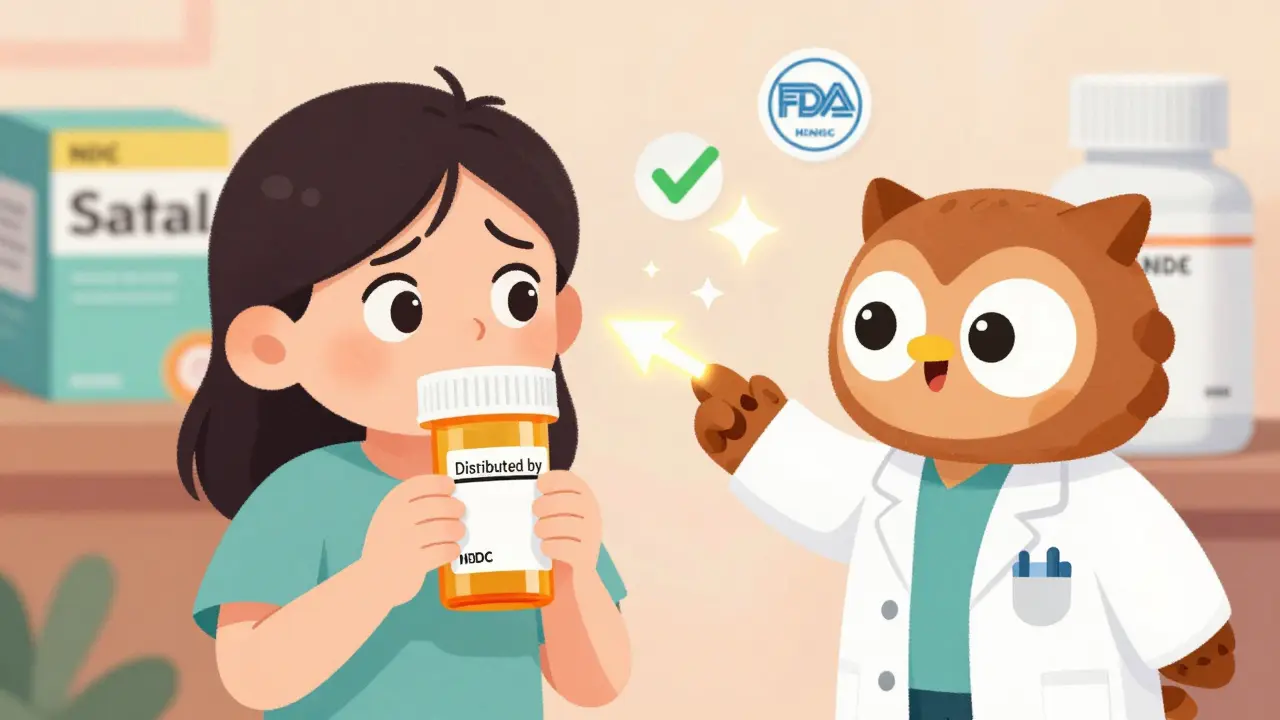
- Distributed by, not manufactured by-Look for the phrase "Distributed by [Company Name]." That’s a big clue. If it says "Manufactured by," it’s likely a traditional generic.
- No trademark symbols-You won’t see ® or ™ next to the drug name. Authorized generics avoid any branding language to stay compliant.
- Same safety info, no marketing-All the warnings, dosage info, and side effects are identical to the brand. But you won’t find promotional phrases like "Trusted by millions" or "The #1 prescribed medication." Those are stripped out.
The NDC Code: Your Most Reliable Tool
The National Drug Code (NDC) is a 10- or 11-digit number printed on the packaging. It’s divided into three parts:- Labeler code-The first segment. This identifies the company that distributes the drug.
- Product code-The middle segment. This identifies the specific drug, strength, and form.
- Package code-The last segment. This tells you the size of the package (e.g., 30 tablets, 90 capsules).
Why This Matters for Patients and Pharmacists
You might wonder why this even matters. After all, if the drug is the same, does it really make a difference? Yes. Because patients and pharmacists often get confused. A 2022 survey by the National Community Pharmacists Association found that 63% of pharmacists spent over two minutes per prescription just verifying whether a drug was an authorized generic. Why? Because the pills look identical to the brand. The packaging is often very similar. Some even use the same bottle shape and color. Worse, 18% of pharmacists initially thought the different labeler code meant the drug was counterfeit. That’s not just inconvenient-it’s risky. If you’re unsure, you might hesitate to dispense it. Or worse, you might assume it’s a traditional generic and miss out on the fact that it’s actually the same as the brand. Patients, too, get confused. A Medscape survey showed 93% of patients reported no difference in how the drug worked. But 35% expressed concern when they saw a different company name on the bottle. They worried they’d been given the wrong medicine. Education helps. Knowing that the FDA requires these drugs to be identical removes the fear.How to Verify an Authorized Generic
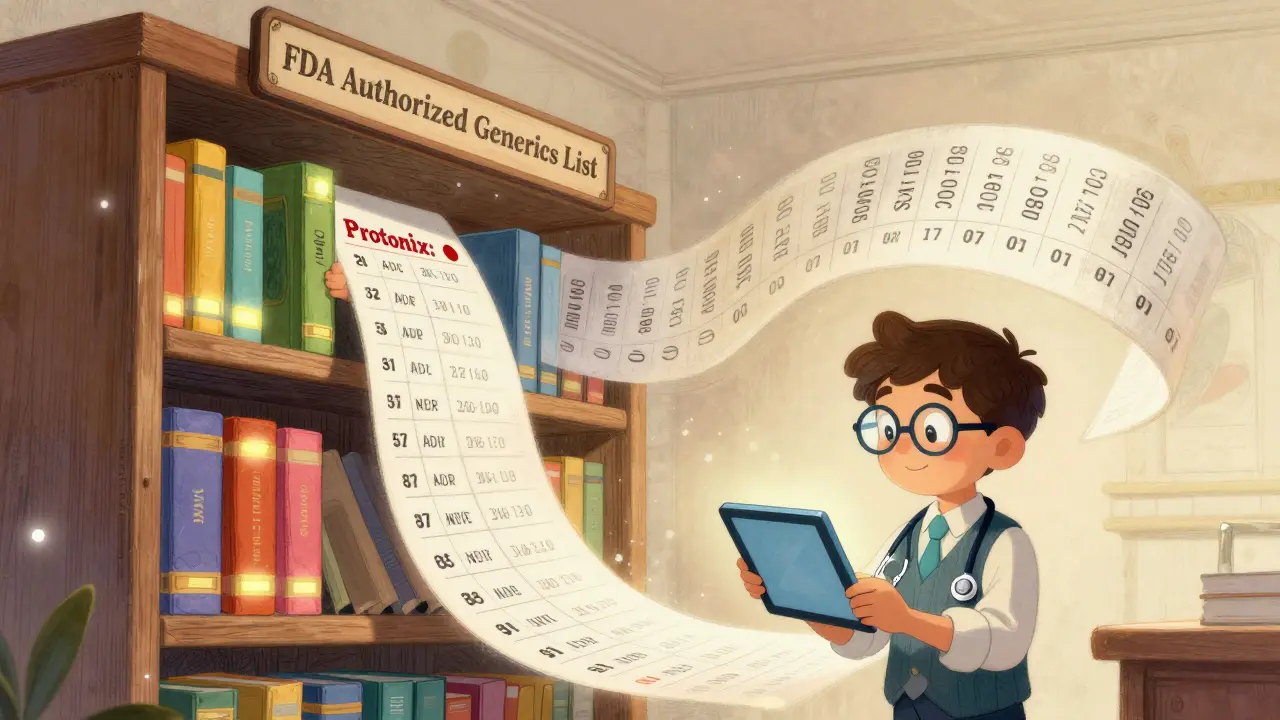
Don’t guess. Don’t rely on appearance. Use the official source: the FDA’s Quarterly Authorized Generic List. It’s updated every January, April, July, and October. The most recent update was October 2, 2023, and it listed 147 active authorized generics. Here’s how to use it:- Find the NDC of the drug you’re checking.
- Look up the labeler code (first segment) on the FDA list.
- Compare it to the brand’s labeler code.
- If the product and package codes match, but the labeler code is different, it’s an authorized generic.
What Authorized Generics Are NOT
It’s easy to mix them up. Here’s what they’re not:- Not traditional generics-Traditional generics are approved through ANDA. They can have different inactive ingredients and must prove bioequivalence. Authorized generics don’t need to. They’re the same as the brand.
- Not counterfeit drugs-The FDA regulates them just like brand drugs. They’re legal, safe, and inspected.
- Not "authorized brand" drugs-Some companies sell traditional generics with brand-like packaging to confuse customers. That’s not allowed. Authorized generics are clearly labeled as such.
- Not listed in the Orange Book-The FDA’s Orange Book only lists drugs approved via ANDA. Authorized generics are under the NDA, so they won’t show up there. That’s why you need the separate Authorized Generic List.
Why Authorized Generics Are Growing
In 2022, authorized generics made up 12.7% of the generic drug market by revenue-a 3.2-point jump from 2020. Why? Because they’re a smart business move for manufacturers. They keep customers loyal during the first 180 days of generic competition. They also give patients a lower-cost option that’s still identical to the brand. They’re especially common in specialty drugs-like those for autoimmune conditions, epilepsy, or high cholesterol. In these categories, patients need consistency. Switching to a traditional generic-even one that’s bioequivalent-can cause anxiety. An authorized generic removes that fear.Common Mistakes and How to Avoid Them
Even experienced pharmacists get tripped up. Here are the top three errors:- Confusing labeler code changes with counterfeits-Always cross-check the NDC with the FDA list before flagging a drug as fake.
- Assuming identical appearance = brand drug-Just because the pill looks the same doesn’t mean it’s the brand. Check the label.
- Missing the "Distributed by" clue-If the label says "Manufactured by Pfizer," it’s not an authorized generic. If it says "Distributed by Greenstone," it is.
What’s Next?
The FDA plans to integrate authorized generic identifiers directly into the National Drug Code Directory by mid-2024. That means pharmacy systems will auto-flag them without manual checks. But until then, you need to know how to read the label, check the NDC, and use the FDA’s list. This isn’t just about paperwork. It’s about trust. Patients need to know they’re getting the right medicine. Pharmacists need to know they’re dispensing correctly. And manufacturers need to know their products are being identified properly. Knowing how to spot an authorized generic isn’t a niche skill. It’s essential.Are authorized generics the same as brand-name drugs?
Yes. Authorized generics contain the exact same active and inactive ingredients as the brand-name drug. They’re made in the same facility, on the same production line, using the same process. The only differences are the packaging, labeling, and distributor name. The FDA requires them to be therapeutically identical.
How do I know if my prescription is an authorized generic?
Check the label for "Distributed by [Company Name]" instead of the brand manufacturer. Look at the NDC code: if the product and package codes match the brand but the labeler code is different, it’s an authorized generic. Verify it against the FDA’s Quarterly Authorized Generic List.
Why does the manufacturer name on my pill bottle look different?
That’s normal. Authorized generics are distributed by a different company-often a subsidiary of the brand manufacturer. For example, Pfizer’s authorized generic of Lyrica is distributed by Greenstone LLC. This doesn’t mean the drug is different. It’s still made by Pfizer, just sold under a different name on the label.
Are authorized generics cheaper than brand-name drugs?
Yes. Authorized generics typically cost 15-25% less than the brand-name version. They’re usually a bit more expensive than traditional generics, but often less than the brand. The price difference makes them a good middle ground for patients who want brand-quality at a lower cost.
Can I trust an authorized generic as much as the brand?
Absolutely. The FDA inspects the same manufacturing facilities used for the brand-name drug. Authorized generics must meet the same quality standards. In fact, because they’re made by the original manufacturer, they’re often more consistent than traditional generics, which may be made by different companies with different processes.
Do authorized generics show up in the FDA’s Orange Book?
No. The Orange Book only lists drugs approved through the Abbreviated New Drug Application (ANDA) pathway. Authorized generics are marketed under the original New Drug Application (NDA), so they’re not included there. You must use the FDA’s separate Quarterly Authorized Generic List to verify them.

Paul Barnes
January 19, 2026 AT 11:36Authorized generics are just a marketing gimmick dressed up as transparency. The FDA’s list? Useless. Half the time the NDCs don’t even update in real time. I’ve seen pills with matching NDCs that turned out to be knockoffs. Trust the label? Sure. Until the label lies.
Andy Thompson
January 19, 2026 AT 16:41THIS IS A BIG PHARMA TRICK. 😡 They make the SAME drug, then slap a different label on it to SPLIT the market. You think Greenstone is independent? LOL. It’s Pfizer’s puppet. They’re making you think you’re saving money while they pocket it twice. 🤑 #BigPharmaLies
sagar sanadi
January 20, 2026 AT 23:15Same pill, different box? Ha. In India, we call this 'copy-paste medicine'. Who cares if it’s made by same factory? If you can’t tell the difference, you’re not the customer-you’re the product.
kumar kc
January 21, 2026 AT 23:22Patients deserve truth, not corporate wordplay. This isn’t innovation-it’s deception dressed as choice.
Thomas Varner
January 23, 2026 AT 22:49Okay, so… let me get this straight… the pill is literally identical, the factory is the same, the ingredients? Same. But you can’t call it the brand name because… marketing? 🤔 That’s wild. I mean, if I baked the same cake, put it in a different box, and called it ‘Homemade Deluxe’ instead of ‘Grandma’s Secret Recipe’-would that be okay? Probably not. But hey, Big Pharma, you do you.
Art Gar
January 24, 2026 AT 08:03It is imperative to underscore that the regulatory framework governing authorized generics is both legally sound and clinically rigorous. The distinction between NDA and ANDA pathways is not semantic but substantive, and any conflation thereof constitutes a fundamental misinterpretation of pharmaceutical jurisprudence.
Edith Brederode
January 25, 2026 AT 07:58This is actually so helpful! 🙌 I never knew how to tell the difference and I’ve been worried my meds were changing without me knowing. Now I know to check the label and NDC-thank you for explaining it so clearly! 💊❤️
Arlene Mathison
January 27, 2026 AT 05:31Guys, this is a game-changer for anyone on chronic meds! I’ve been on Lyrica for years and never realized my generic was actually the same as the brand. Now I feel way more confident. Keep sharing this stuff-this is the kind of info that saves lives!
Emily Leigh
January 27, 2026 AT 14:53So… we’re just supposed to trust that the label isn’t lying? 😏 And the FDA’s list? Updated quarterly? That’s like checking your car’s brakes once a season. Meanwhile, the same factory churns out the same pills, but now we’re supposed to play detective with NDCs like it’s a spy movie? I’m not paranoid-I’m just… awake.
thomas wall
January 28, 2026 AT 09:53The entire edifice of pharmaceutical regulation is being eroded by corporate opportunism. What was once a clear distinction between branded and generic therapeutics is now a labyrinth of corporate subsidiaries and regulatory loopholes. The patient is not a consumer. The patient is a pawn.
Manoj Kumar Billigunta
January 30, 2026 AT 08:54Good info for everyone. If you’re taking meds long-term, learn how to read your label. Don’t assume. Ask your pharmacist. It’s simple, and it keeps you safe. No need to panic-just be smart.
clifford hoang
January 31, 2026 AT 20:24Let’s be real-this isn’t about transparency. It’s about control. The same company makes the brand, then makes the ‘generic’ version to crush the real generics. They’re playing 4D chess while we’re stuck trying to read tiny print on a pill bottle. 😒 And the FDA? They’re asleep at the wheel. This is why people don’t trust medicine anymore.
Shane McGriff
February 1, 2026 AT 14:17Wait, so if the NDC product code matches the brand, and only the labeler changes, that’s the golden rule? That’s actually brilliant. I’ve been confused by this for years. I’ll start checking the NDC on every refill now. Thanks for making this so clear.
Jacob Cathro
February 3, 2026 AT 13:10so like… authorized generic = brand but with a fake name?? lmao. why do they even bother? just charge less and call it the brand. also why is the label so tiny?? my eyes are 47 and i need a magnifying glass just to read "distributed by" 😭
pragya mishra
February 5, 2026 AT 08:53Why are you all so obsessed with labels? The drug works, right? Stop overthinking. Just take it. You’re making this harder than it is.