Cirrhosis Surveillance: What You Need to Know About Monitoring Liver Damage
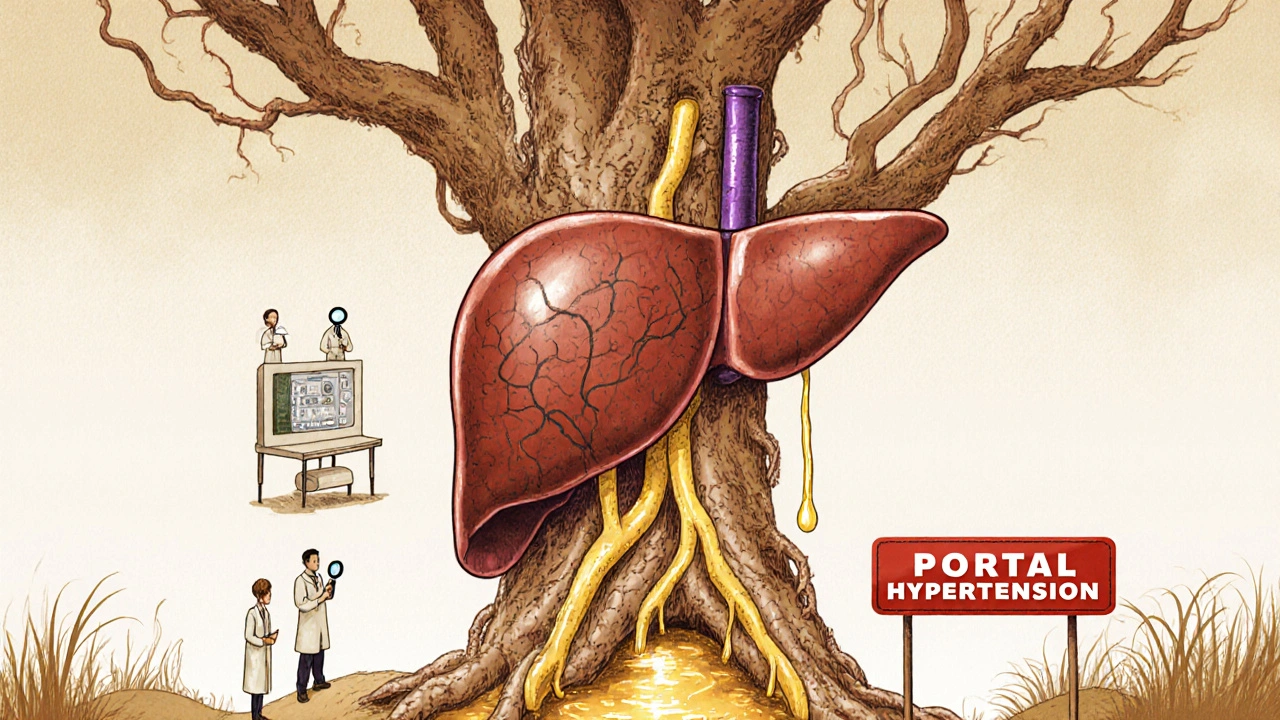
When your liver is scarred from years of alcohol use, hepatitis, or fatty liver disease, it doesn’t just stop working well—it starts hiding dangers. cirrhosis surveillance, a structured medical process to monitor liver damage and catch early signs of liver cancer. Also known as liver cancer screening in cirrhosis, it’s not optional if you have advanced scarring—you need it to stay alive. This isn’t about checking if your liver feels okay. It’s about finding tumors before they spread, when treatment still has a real chance.
People with liver cirrhosis, the final stage of chronic liver disease where healthy tissue is replaced by scar tissue are at high risk for hepatocellular carcinoma, the most common type of liver cancer that starts in the liver cells. Studies show that without regular checks, half of these cancers are found too late to treat. But with cirrhosis surveillance, that number drops dramatically. The standard? An ultrasound every six months, plus a blood test for AFP (alpha-fetoprotein), even though that test alone isn’t perfect. The goal isn’t to scare you—it’s to catch trouble early, when surgery or targeted treatments can still work.
Not everyone with liver disease needs this level of monitoring. If your liver is still mostly healthy, you’re not in the high-risk group. But once your doctor confirms cirrhosis—whether from alcohol, hepatitis B or C, or non-alcoholic fatty liver disease—you’re in the surveillance zone. That means sticking to your follow-ups, even if you feel fine. Many people don’t have symptoms until the cancer is advanced. Your liver doesn’t complain until it’s too late. Surveillance fills that silence with data: images, numbers, trends. It’s how you take control when your body can’t tell you what’s wrong.
There’s more to it than just scans. Surveillance ties into how you manage your overall chronic liver disease, a long-term condition that slowly damages the liver over years. Stopping alcohol, controlling diabetes, losing weight, and taking antiviral meds if you have hepatitis all slow the damage—and make surveillance more effective. These aren’t separate tasks. They’re part of the same system: treat the cause, monitor the consequences.
What you’ll find in the posts below isn’t theory. It’s real-world guidance on how to navigate the system. You’ll see how drug costs affect whether people get tested, how timing matters for liver function tests, and what alternatives exist when standard care isn’t affordable. You’ll learn what to ask your doctor, how to spot red flags between visits, and why skipping a scan—even for a few months—can cost you your life. This isn’t just about liver health. It’s about survival, strategy, and knowing when to act before it’s too late.
-
19 Nov
- Recent
- Popular