Hepatic Encephalopathy: Causes, Symptoms, and How Medications Affect It
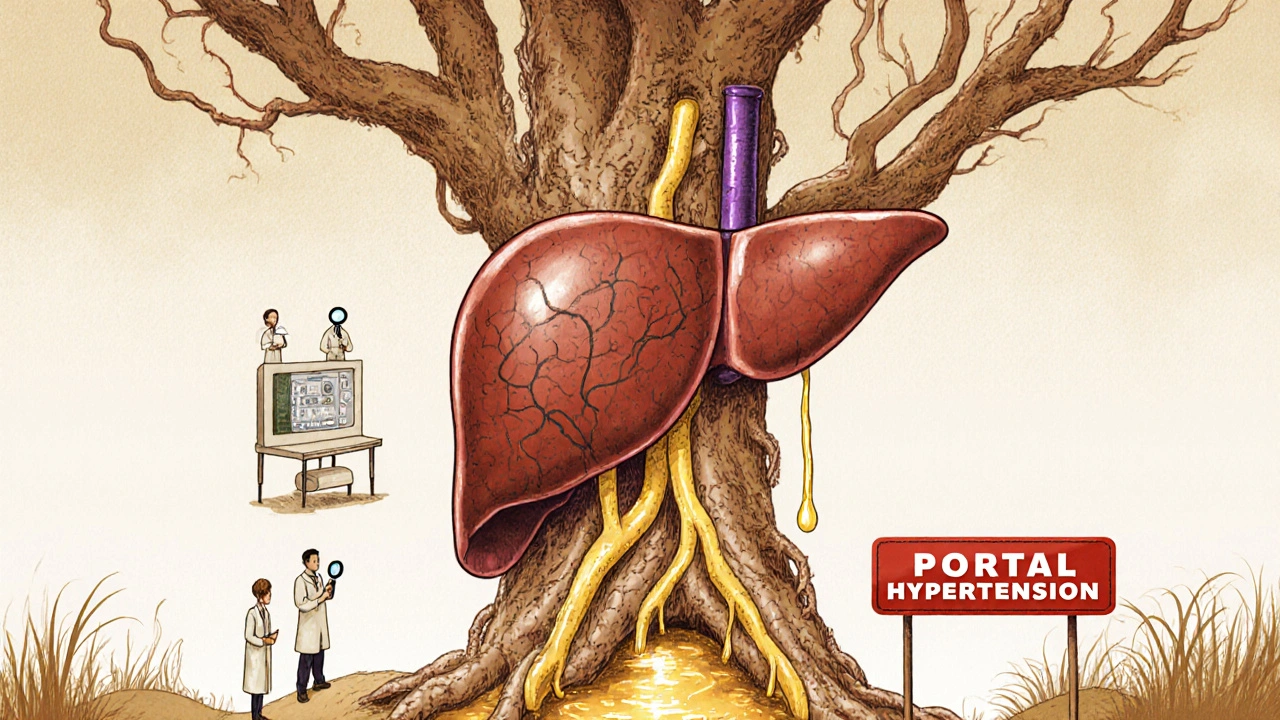
When your liver can't clean your blood properly, toxins like ammonia, a waste product that builds up when the liver fails to process protein flood your brain. This is hepatic encephalopathy, a condition where liver damage leads to confusion, drowsiness, and even coma. It doesn't happen suddenly — it creeps in as your liver slowly loses function, often from cirrhosis, long-term alcohol use, or chronic hepatitis. People with this condition don't always feel sick at first, but their thinking gets fuzzy, their speech slurs, and their hands might shake. It's not just about the liver — it's about how the brain reacts when the liver stops doing its job.
Medications play a big role here. Some drugs make hepatic encephalopathy worse because the liver can't break them down. Benzodiazepines, used for anxiety or sleep, can cause extreme drowsiness in people with liver damage. Opioids, common painkillers, slow down brain function even more when ammonia is high. Even common over-the-counter meds like certain antacids or sleep aids can add to the problem. That’s why people with liver disease need to be extra careful with every pill they take — what’s safe for one person can be dangerous for someone with a failing liver. Doctors often switch to safer alternatives or lower doses, but many patients don’t realize how much their meds matter until they start feeling worse.
Managing hepatic encephalopathy isn’t just about pills — it’s about diet, sleep, and knowing when to call your doctor. Reducing protein intake helps lower ammonia, but not too much — you still need enough to stay strong. Lactulose and rifaximin are common treatments, but they don’t work for everyone. Some people need frequent blood tests to track ammonia levels, while others rely on noticing early signs like forgetfulness or mood swings. The good news? When caught early, it can often be reversed. The bad news? If ignored, it can lead to hospitalization or worse. The posts below cover what you need to know: how certain drugs affect liver patients, what symptoms to watch for, how to avoid dangerous interactions, and what real people have done to stay out of the hospital. You won’t find fluff here — just straight facts on how to protect your brain when your liver is struggling.
-
19 Nov
- Recent
- Popular