
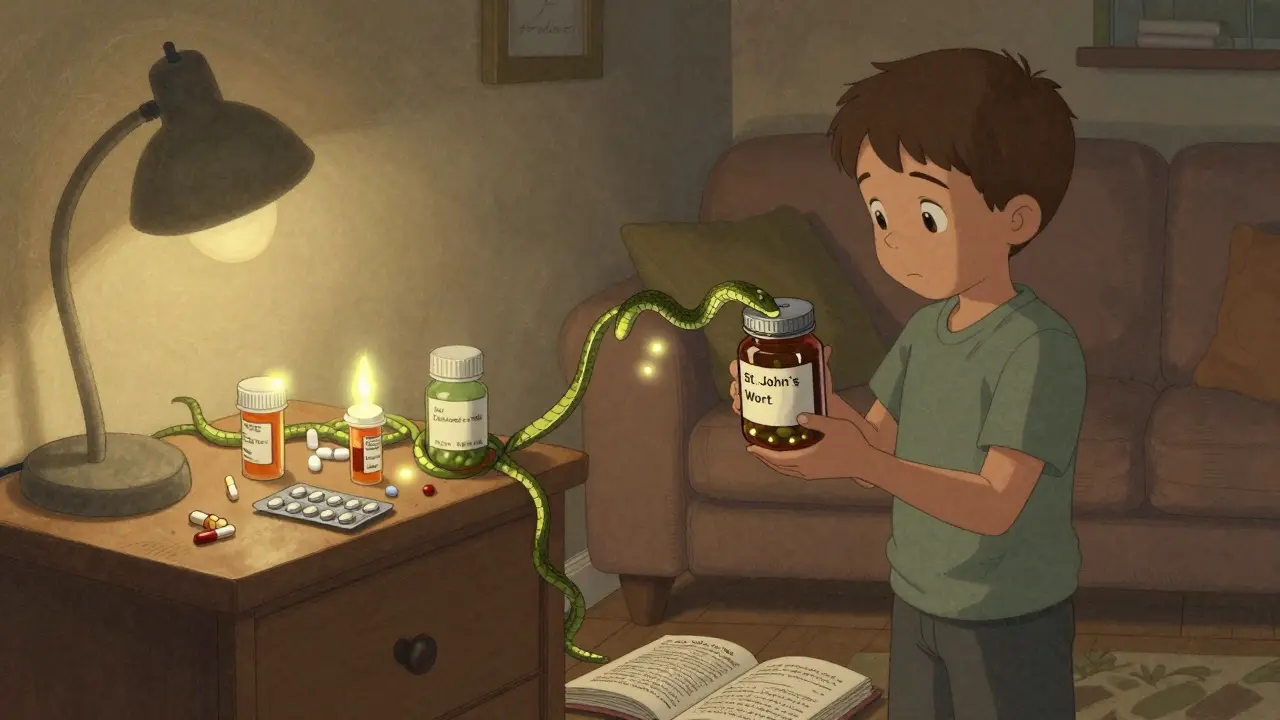
Many people think if it’s natural, it’s safe. That’s not true-especially when it comes to herbal supplements. The FDA has issued dozens of warnings over the past few years about herbal products that can interfere with prescription medications, cause liver damage, or even hide dangerous pharmaceuticals inside. And here’s the scary part: most people don’t tell their doctors they’re taking them.
Why Herbal Supplements Fly Under the Radar
Unlike prescription drugs, herbal supplements don’t need FDA approval before they hit store shelves. Under the Dietary Supplement Health and Education Act (DSHEA) from 1994, companies can sell vitamins, herbs, and botanicals without proving they work-or even that they’re safe. The FDA can only step in after someone gets hurt. That means products with hidden ingredients, contaminated batches, or false claims can stay on the market for months or even years before anyone notices.
There are about 80,000 dietary supplements available in the U.S. right now. Around 75% of Americans take at least one. Yet, only about 1 in 5 patients tell their doctor they’re using them. Why? Many believe supplements are regulated like medicine. They’re not. The FDA doesn’t test them. The label says “not evaluated by the FDA” right there-but most people skip over it.
Herbal Products That Can Be Dangerous
Some herbs are fine for most people. Others? They’re ticking time bombs if you’re on other meds. Here are the top ones the FDA and medical experts warn about:
- St. John’s Wort: Used for mild depression, but it can cut the effectiveness of birth control pills, blood thinners like warfarin, HIV medications, and even some cancer drugs. One study found it reduced blood levels of cyclosporine (a transplant drug) by up to 50%.
- Ginkgo Biloba: Marketed for memory and circulation. But it thins the blood. People taking warfarin or aspirin who start ginkgo have been hospitalized for internal bleeding. A 2021 case report described a patient who bled internally after combining ginkgo with warfarin-without telling their doctor.
- Green Tea Extract: Often sold for weight loss. High doses have caused acute liver failure in otherwise healthy people. The FDA has linked it to over 50 cases of liver injury since 2008.
- Kava: Used for anxiety. But it’s been tied to severe liver damage. It was banned in Canada and Europe. The FDA issued warnings in 2002 and still monitors it closely.
- Black Cohosh: Taken for menopause symptoms. Multiple reports link it to liver toxicity. The National Institutes of Health flagged it in a 2020 review.
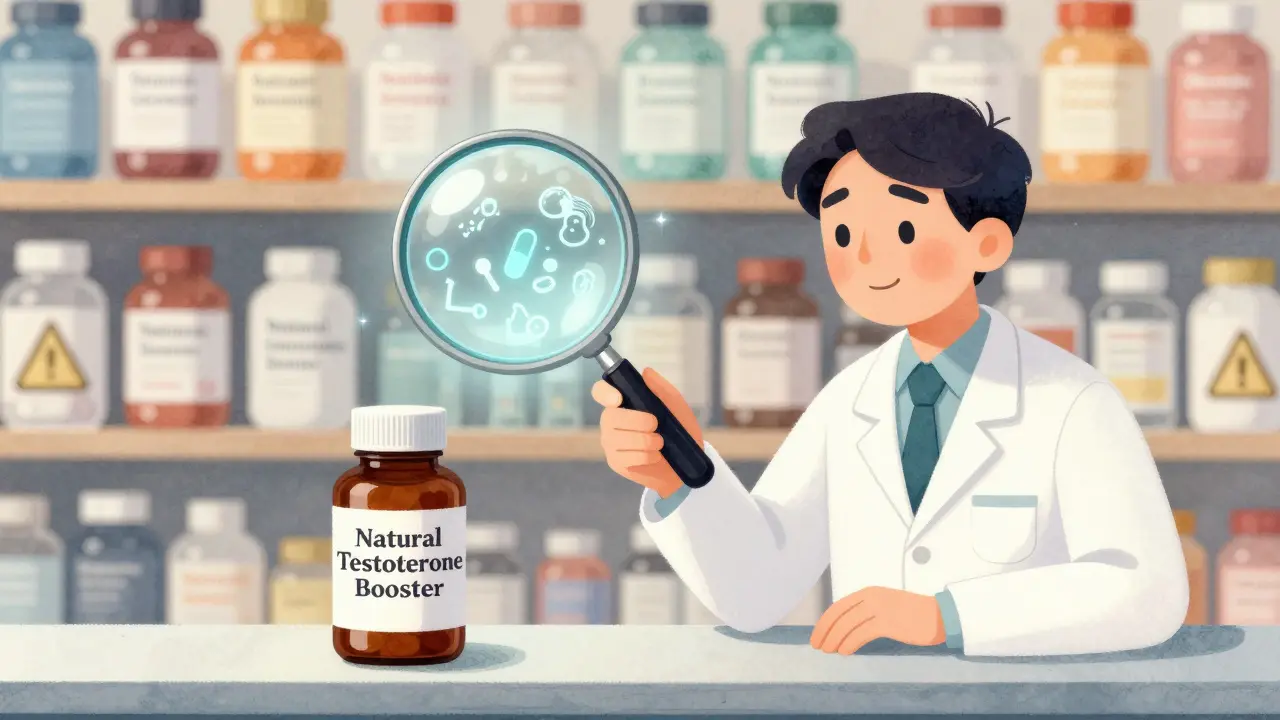
And then there are the products that aren’t even herbs. In 2018, a Harvard study found that nearly 800 supplements contained hidden pharmaceutical drugs-like sildenafil (Viagra), steroids, or weight-loss agents-labeled as “natural” or “herbal.” One product sold as “herbal testosterone booster” had the same active ingredient as a prescription erectile dysfunction drug. No one knew until someone had a heart attack.
What the FDA Actually Does (and Doesn’t Do)
The FDA doesn’t test supplements before they’re sold. It doesn’t check for purity, potency, or interactions. Its job is reactive. When a product causes harm, or when labs find undeclared drugs inside, the FDA sends a warning letter. Since 2002, they’ve sent over 1,800 of these letters. Most are for weight loss, sexual enhancement, or bodybuilding supplements.
Here’s how it works: A company sells a product labeled as “natural weight loss.” The FDA gets reports of heart palpitations. They test the product. Turns out it contains phenylephrine-a stimulant banned in many countries. The company gets a warning letter. They may pull the product. But by then, thousands of bottles are already out there. And the company often just rebrands and relaunches.
Only two dietary ingredients have been banned under DSHEA: ephedra (2004) and methylsynephrine (2022). That’s it. In a market with over 30,000 companies and 23,000 new products each year, the FDA has just 45 staff members assigned to oversee it all. That’s less than one person per 670 companies.
Why Doctors Need to Know What You’re Taking
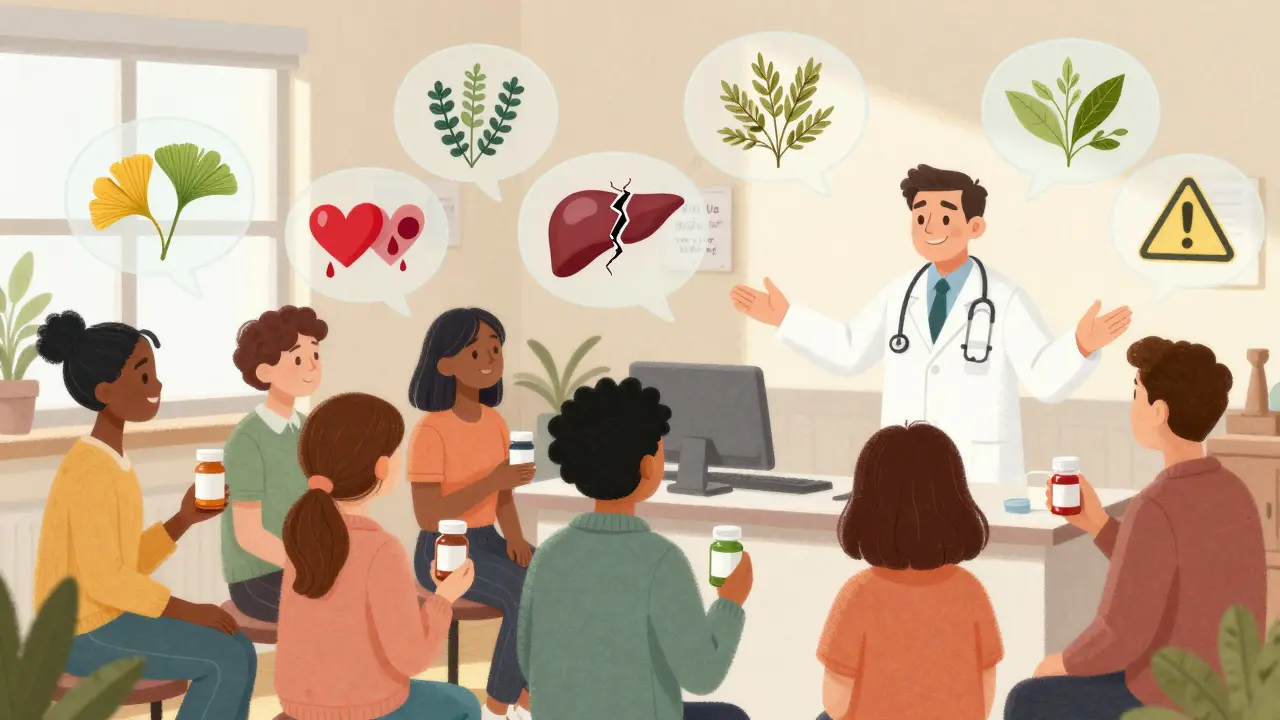
Supplements don’t just interact with other herbs. They interact with your prescriptions. Take blood thinners, antidepressants, diabetes meds, or heart medications. Any of those can be dangerously affected by something as simple as a green tea pill or a turmeric capsule.
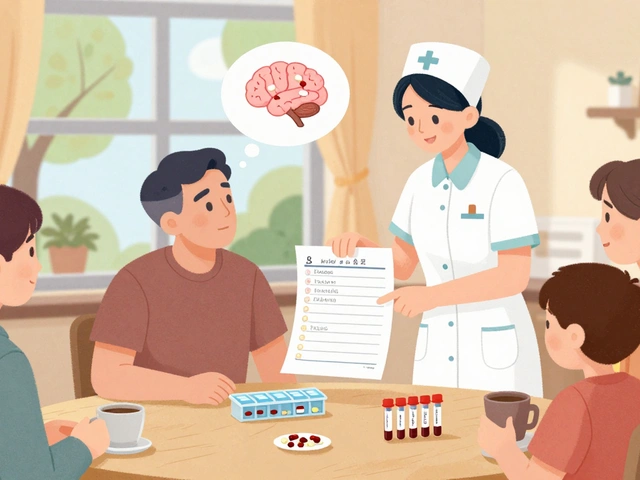
At Johns Hopkins Hospital, doctors started asking patients five simple questions during intake:
- Are you taking any vitamins or supplements?
- What are you taking them for?
- How much are you taking?
- How often?
- Have you noticed any side effects?
Before this, only 32% of patients disclosed supplement use. After six months? It jumped to 78%. That’s not magic. It’s just asking.
Doctors aren’t judging. They’re trying to keep you alive. A patient on warfarin who starts ginkgo biloba without telling their doctor could end up in the ER with internal bleeding. A diabetic taking a “blood sugar support” supplement might crash their glucose levels because it contains hidden metformin. These aren’t hypotheticals. They’re documented cases.
How to Protect Yourself
You don’t have to give up supplements. But you need to be smarter about them.
- Check for third-party verification: Look for seals from USP, NSF International, or ConsumerLab.com. These groups test products for what’s on the label and whether it’s contaminated. USP-verified products meet label claims 94% of the time. Non-verified? Only 67%.
- Read the label carefully: Ingredients must be listed in descending order by weight. Botanicals should have their Latin names (like Hypericum perforatum for St. John’s Wort). If it’s missing, walk away.
- Google the warning letters: The FDA publishes all of them online. Search “FDA warning letter [product name]” before buying.
- Use the FDA’s Safety Reporting Portal: If you have a bad reaction, report it. Only 12% of people complete the full form-but every report helps the FDA catch dangerous products faster.
- Download the NCCIH app: The National Center for Complementary and Integrative Health has a free app with 1,200+ science-backed fact sheets on herbs and supplements.
And here’s the biggest rule: Always tell your doctor what you’re taking-even if you think it’s harmless. Your pharmacist should know too. They’re trained to spot interactions. You don’t have to explain why you’re taking it. Just say: “I’m taking this.”
The Bigger Picture
The supplement industry is worth over $50 billion. It’s growing fast. But the rules haven’t kept up. Congress is now considering the Dietary Supplement Listing Act of 2023, which would force companies to register products with the FDA before selling them. That’s a big step. Right now, companies don’t even have to tell the FDA what they’re selling.
Until then, you’re on your own. The FDA can’t protect you from every bad product. But you can protect yourself-by asking questions, checking labels, and telling your doctor.
Herbal doesn’t mean safe. Natural doesn’t mean harmless. And silence can be deadly.
Do herbal supplements need FDA approval before being sold?
No. Unlike prescription drugs, herbal supplements do not require FDA approval before being sold. Under the Dietary Supplement Health and Education Act (DSHEA) of 1994, manufacturers can market supplements without proving safety or effectiveness. The FDA can only act after a product is on the market and linked to harm or contains undeclared ingredients.
Which herbal products are most likely to cause dangerous interactions?
St. John’s Wort, ginkgo biloba, green tea extract, kava, and black cohosh are among the most commonly reported herbs that interact with medications. St. John’s Wort can reduce the effectiveness of birth control, antidepressants, and transplant drugs. Ginkgo increases bleeding risk when taken with blood thinners. Green tea extract has caused liver damage in some users. Kava and black cohosh have been linked to severe liver toxicity.
Can herbal supplements contain hidden drugs?
Yes. Studies show that about 15% of tested supplements contain undeclared pharmaceutical ingredients. Common hidden drugs include sildenafil (Viagra), steroids, weight-loss agents like sibutramine, and stimulants like phenylephrine. These are often added to products marketed for weight loss, sexual enhancement, or bodybuilding-sometimes in dangerous doses.
How can I tell if a supplement is safe?
Look for third-party verification seals like USP, NSF International, or ConsumerLab.com. These organizations test products for purity, potency, and contamination. Also check the label for Latin botanical names and avoid products with vague claims like “miracle cure” or “scientific breakthrough.” Always search the FDA’s warning letter database for the product name before buying.
Why don’t more people tell their doctors about supplements?
Many people believe supplements are regulated like medicine and assume they’re safe. Others fear being judged or think their doctor won’t care. But studies show that 68% of physicians encounter patients who don’t disclose supplement use. This lack of disclosure can lead to dangerous drug interactions, missed diagnoses, and avoidable hospitalizations.
What should I do if I experience side effects from a supplement?
Stop taking the product immediately and contact your doctor. Then, report the reaction to the FDA’s Safety Reporting Portal. Even if you’re unsure whether the supplement caused the issue, reporting helps the FDA identify dangerous products. Only 12% of people complete the full report-but every submission improves public safety.
What to Do Next
Start by checking your own supplement cabinet. Look at the labels. Do you see Latin names? Third-party verification seals? Or just vague terms like “proprietary blend”? If you’re unsure, take a photo and ask your pharmacist. They’re trained to spot red flags.
Next, schedule a quick chat with your doctor. Say: “I’ve been taking a few supplements. Can we make sure they’re okay with my current meds?” You don’t need to justify them. Just list them. Your doctor will thank you.
And if you’re shopping online-skip the flashy ads. Go to the FDA’s website and search for warning letters. If a product has been flagged, it’s not worth the risk. Your health isn’t a gamble.

David Chase
December 30, 2025 AT 15:55Tamar Dunlop
January 1, 2026 AT 08:15Emma Duquemin
January 3, 2026 AT 03:56Joe Kwon
January 4, 2026 AT 06:22Himanshu Singh
January 5, 2026 AT 21:58Jasmine Yule
January 7, 2026 AT 17:53Greg Quinn
January 9, 2026 AT 15:54Lisa Dore
January 10, 2026 AT 05:41Sharleen Luciano
January 11, 2026 AT 15:05Teresa Rodriguez leon
January 12, 2026 AT 22:31Manan Pandya
January 12, 2026 AT 23:09Aliza Efraimov
January 14, 2026 AT 03:09Nisha Marwaha
January 15, 2026 AT 11:51