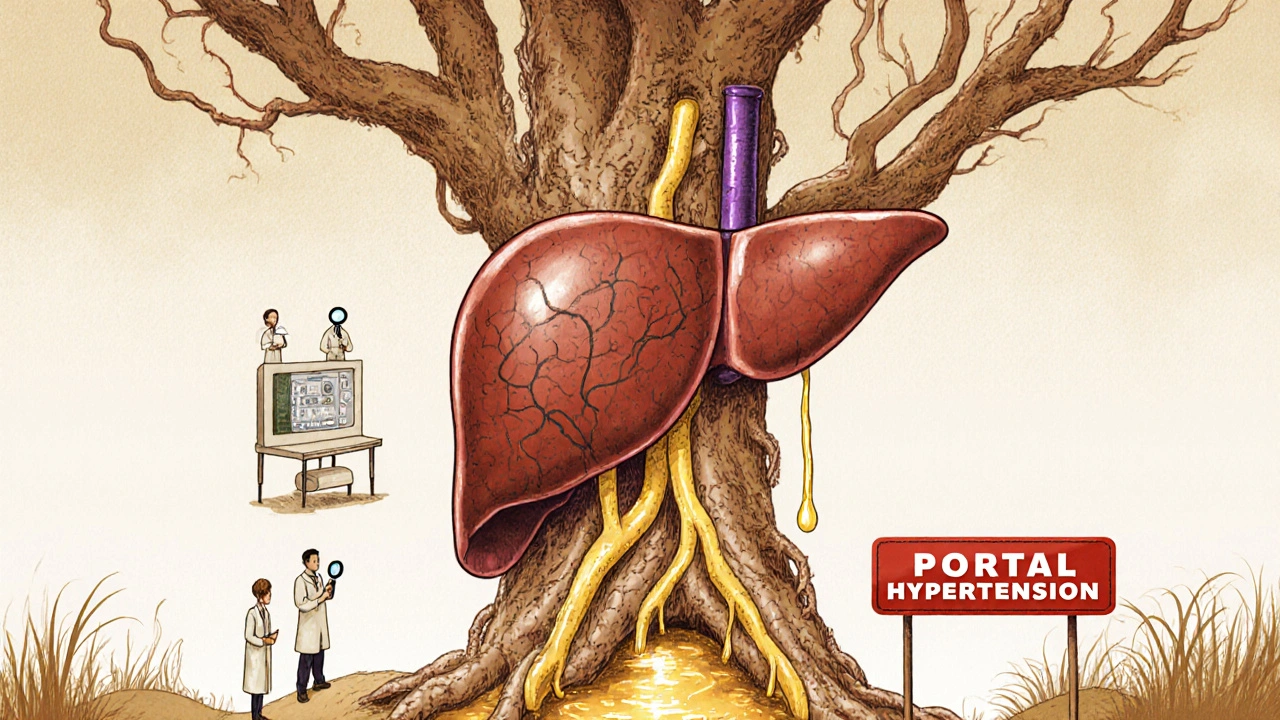
Ascites Treatment: How to Manage Fluid Buildup and Find Real Relief
When fluid builds up in the abdomen — a condition called ascites, the abnormal accumulation of fluid in the peritoneal cavity, often linked to liver failure or cancer. Also known as abdominal edema, it’s not just swelling — it’s a sign your body is struggling to balance fluids and pressure. If you’re dealing with ascites, you’re not alone. It’s most common in people with advanced liver disease, a group of conditions including cirrhosis that damage the liver’s ability to filter blood and regulate fluids, but it can also come from heart failure, kidney problems, or certain cancers. The fluid doesn’t just make you feel bloated; it can push on your lungs, make eating painful, and increase your risk of infection.
Most ascites treatment, a combination of lifestyle changes, medications, and sometimes procedures to remove fluid starts with cutting back on salt. Too much sodium makes your body hold onto water, and for someone with liver damage, that’s a recipe for worse swelling. Doctors often prescribe diuretics, medications that help your kidneys flush out extra fluid through urine like spironolactone and furosemide. These aren’t quick fixes — they take days to weeks to show results, and getting the balance right matters. Too much can knock your potassium low or hurt your kidneys. That’s why regular blood tests are part of the process. If diuretics don’t cut it, a procedure called paracentesis — where a needle drains the fluid — can give fast relief. But it’s temporary. The fluid comes back unless the root cause is handled.
What you won’t see in most guides is how much portal hypertension, high blood pressure in the vein that carries blood from the intestines to the liver drives ascites. When the liver is scarred, blood can’t flow through it easily. That pressure backs up, forcing fluid out into the belly. That’s why treating the liver itself — whether through medication, avoiding alcohol, or even transplant — is the only way to stop ascites for good. Many people focus only on draining the fluid, but without addressing the pressure behind it, you’re just putting out fires.
You’ll find posts here that dig into the real-world challenges: how high drug costs make it hard to stick with diuretics, why some people stop taking meds because they feel fine after a few drains, and how fluid retention links to other conditions like kidney disease or heart issues. Some articles show how to spot warning signs before swelling gets bad. Others break down which treatments are backed by data — and which are just old habits. There’s no magic pill for ascites. But with the right mix of medicine, diet, and monitoring, you can control it and live better.
-
19 Nov
- Recent
- Popular