Antibiotic & Dairy Interaction Checker
Absorption Analysis
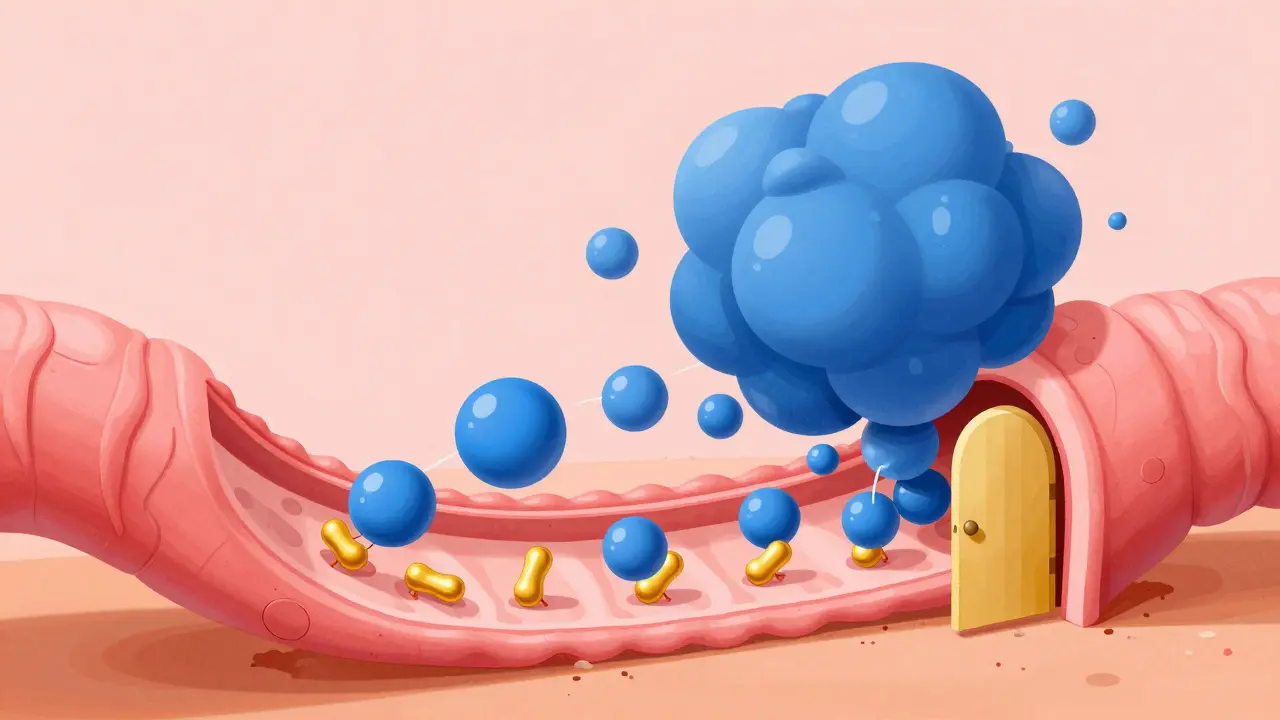
The problem comes down to a process called chelation. In simple terms, calcium ions in dairy products act like a magnet, grabbing onto the antibiotic molecules in your gut. This creates a large, insoluble complex that is simply too big to pass through the intestinal wall. Instead of being absorbed into your blood to fight bacteria, the medicine stays trapped in your digestive tract and eventually leaves your body as waste. Depending on the drug, this can slash your medication's effectiveness by anywhere from 20% to a staggering 92%.
Which antibiotics are affected by dairy?
Not every antibiotic reacts with calcium. If you're taking amoxicillin or azithromycin, you generally don't need to worry about your morning latte. However, two major classes of drugs are highly sensitive to dairy: Tetracyclines and Fluoroquinolones.
Tetracyclines-which include common drugs like doxycycline and minocycline-are the most sensitive. They are often used for everything from severe acne to Lyme disease. Because their chemical structure is particularly prone to binding with calcium, the impact is severe. For instance, taking tetracycline with milk can reduce its bioavailability by up to 75%. Yogurt is even riskier because it often has higher calcium bioavailability and a lower pH, which enhances the binding process.
Fluoroquinolones, such as ciprofloxacin and levofloxacin, also struggle with dairy. Ciprofloxacin can see its plasma concentrations drop by 70% when taken with milk. While some people might think a small amount of cream in coffee is fine, the threshold for a significant interaction is surprisingly low-roughly 200 mg of calcium, which is about 6 ounces of milk.
| Antibiotic Class | Risk Level | Typical Examples | Impact on Absorption |
|---|---|---|---|
| Tetracyclines | Severe (Level 1) | Doxycycline, Minocycline | 20% to 75% reduction |
| Fluoroquinolones | Moderate (Level 2) | Ciprofloxacin, Levofloxacin | 30% to 92% reduction |
| Beta-lactams | Low (Level 3) | Amoxicillin, Penicillin | Variable / Minimal |
The golden rule of timing
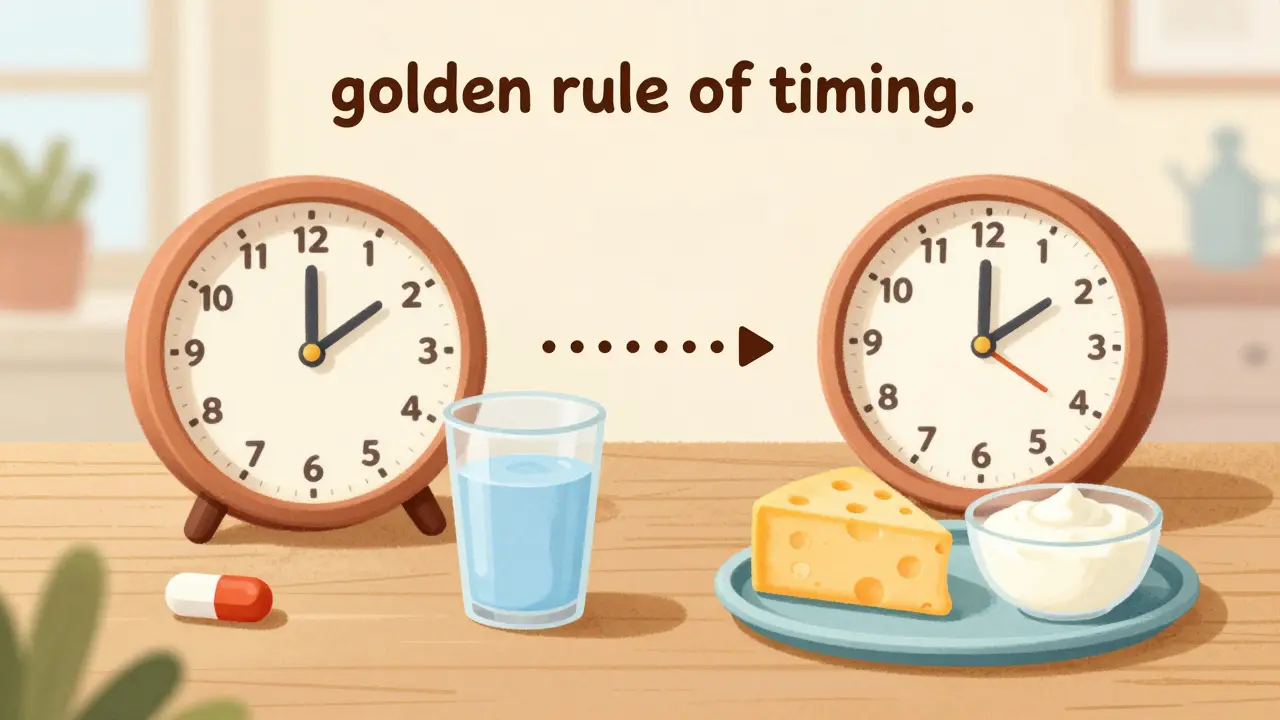
To get the full dose of your medication, you have to separate your pharmacy trip from your dairy trip. The general rule of thumb is the "2-4 window." For the most severe interactions, you should take your antibiotic at least 2 hours before or 4 hours after consuming dairy. This gap gives the medication enough time to be absorbed by the small intestine before calcium arrives to block the way, or vice versa.
Why such a big gap? It's all about gastric emptying. Your stomach doesn't empty instantly. If you take a pill and then drink a milkshake 30 minutes later, those two items will likely meet and bond in your stomach. By waiting four hours after dairy, you're ensuring the calcium has largely moved along the digestive tract, leaving a clear path for the drug. It's worth noting that some newer formulations, like doxycycline monohydrate (Oracea), have modified-release properties that make them less sensitive, but you should always check the specific label on your bottle.
Hidden calcium sources to watch for
Many people make the mistake of thinking only about milk and cheese. However, the "dairy effect" is actually a "calcium effect." Any substance rich in calcium or magnesium can cause the same chelation process. This means your "dairy-free" diet might still be blocking your meds if you're using certain supplements.
- Fortified juices: Many orange juices are boosted with calcium.
- Antacids: Over-the-counter heartburn meds often contain calcium carbonate.
- Multivitamins: Iron and calcium supplements are notorious for binding with tetracyclines.
- Whey protein: Protein shakes derived from milk still contain the minerals that cause interference.
If you're using a calcium-fortified almond milk, you're still introducing the same minerals that bind to the drug. If the label says "calcium fortified," treat it exactly like a glass of cow's milk.
The real-world risk of getting it wrong
You might wonder, "If I only lose 30% of the drug, isn't 70% enough to kill the bacteria?" In a perfect world, maybe. But in reality, this leads to subtherapeutic serum concentrations. This means the level of medicine in your blood is too low to fully eliminate the infection. This creates a dangerous scenario where the bacteria are exposed to the drug but not killed by it, which is exactly how antibiotic resistance develops.
For a mild skin rash, a slight drop in absorption might not be a disaster. But for serious infections, like Rocky Mountain spotted fever, the stakes are much higher. A 20-75% reduction in bioavailability can be the difference between a full recovery and a life-threatening complication. This is why pharmacists stress the timing so heavily; it's not about a minor side effect, it's about whether the cure actually works.
Practical tips for managing your schedule
Following a strict dairy-free window can be a pain, especially if you're used to a morning coffee with cream or yogurt with breakfast. The best way to handle this is to shift your dosing schedule. If you take your medication once a day, try taking it immediately upon waking up with a full glass of water, then wait until lunch to have your dairy products. Alternatively, take the dose right before bed, provided you've had your last dairy snack a few hours earlier.
If taking antibiotics on an empty stomach makes you nauseous-a common complaint with tetracyclines-don't reach for the milk. Instead, try a small amount of non-dairy food, like a piece of toast or some fruit. This can often settle the stomach without interfering with the drug's absorption.
Can I take my antibiotics with almond milk?
It depends on the almond milk. Pure almond milk is fine, but many brands are "calcium-fortified." If the nutrition label shows a significant amount of calcium, it will interact with tetracyclines and fluoroquinolones just like cow's milk would. Check the label; if it's fortified, stick to the 2-4 hour window.
Does a small amount of milk in coffee count?
Yes. Even small amounts of dairy can trigger chelation. The threshold for interaction is relatively low (around 200mg of calcium), and since the drug needs to reach a specific concentration in your blood to be effective, any reduction can increase the risk of treatment failure.
What should I do if I accidentally ate yogurt with my pill?
Don't panic and don't take an extra dose. Contact your pharmacist or doctor to let them know. They can advise you on whether to shift your next dose or if the interaction was significant enough to worry about. Never double your dose to "make up" for lost absorption, as this can lead to toxicity.
Are there any antibiotics that are completely safe with dairy?
Yes. Most penicillins (like amoxicillin) and many cephalosporins do not have significant interactions with calcium. However, you should always confirm with your healthcare provider or the medication's patient information leaflet, as different brands or combinations may have different rules.
Why is yogurt worse than milk?
Yogurt typically has a higher concentration of calcium and a lower pH level than milk. This environment makes it easier for the calcium to bind with the antibiotic, leading to a more significant reduction in how much of the drug actually reaches your bloodstream.