
Antihistamine & Alcohol Safety Checker
This tool helps you understand the potential risks when combining common allergy medications with alcohol. Results are based on general pharmacological principles found in medical literature.
First-Generation
Examples: Diphenhydramine, Chlorpheniramine
(Benadryl, Sominex)
High DrowsinessSecond-Generation
Examples: Loratadine, Cetirizine, Fexofenadine
(Claritin, Zyrtec, Allegra)
Lower DrowsinessMetabolic clearance time varies by individual age and health status.
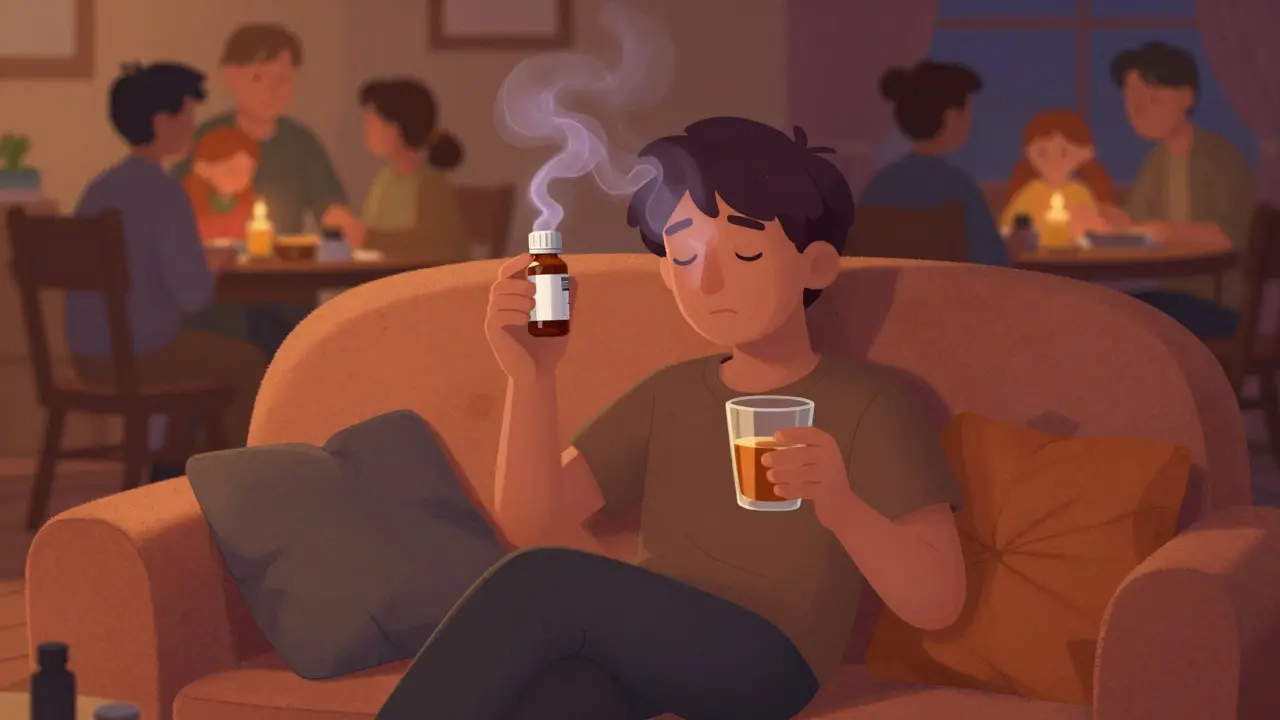
You think you've got your allergies under control with a quick pill before dinner, but then you pop a few beers at a family gathering. It sounds harmless enough, right? You aren't taking a prescription sleeping pill, after all. But here is the uncomfortable truth: mixing antihistamines with alcohol is one of the sneakiest ways to end up dangerously sedated.
Antihistamines are widely used medications designed to block histamine, a chemical released during allergic reactions. While they effectively stop sneezing and itching, they interact poorly with other substances that slow down your brain. When combined with alcohol, these drugs amplify sedative effects significantly.
Why Your Brain Shuts Down Faster
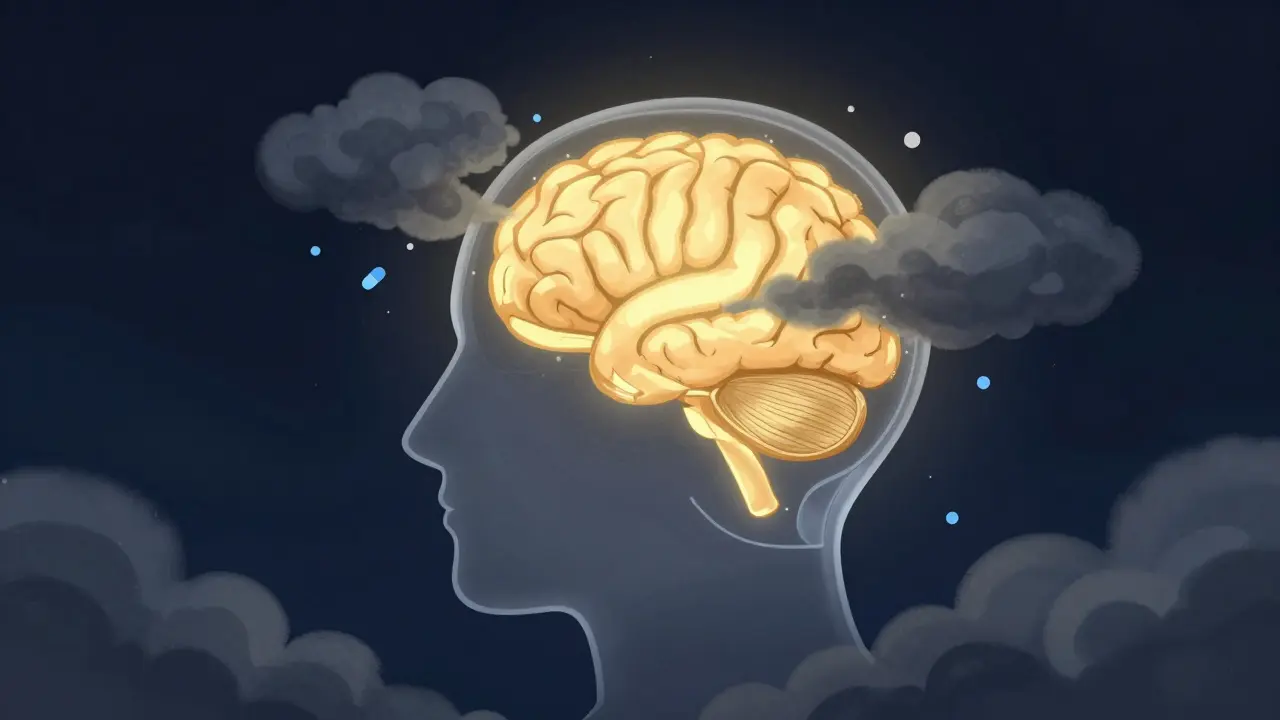
To understand why this combo is risky, we need to look at how both substances impact your Central Nervous System (CNS). The CNS controls your vital functions, including breathing, heart rate, and alertness. Think of your brain as a busy highway managing traffic flow. Alcohol acts like a fog machine, obscuring your vision and slowing reaction time. Antihistamines work by blocking receptors that keep you awake.
Alcohol enhances an inhibitor neurotransmitter called gamma-aminobutyric acid (GABA). When you drink, GABA activity spikes, making you feel relaxed but also sluggish. Meanwhile, first-generation antihistamines block histamine receptors in the brain, which are crucial for maintaining wakefulness. When you put them together, you aren't just adding 1 + 1; you are creating a synergistic effect where the impairment feels greater than the sum of its parts.
This isn't just theory. Research indicates that combining diphenhydramine (a common ingredient in Benadryl) with alcohol results in a reaction time reduction that is approximately 47% worse than consuming alcohol alone. That means if you grab your car keys thinking you're sober enough to drive a short distance home, you are actually driving more recklessly than if you had simply skipped the allergy medicine.
The Difference Between Old and New Generations
Not all allergy pills play nice with drinks in the same way. The market divides these medications into two distinct families based on when they were developed and how they penetrate the brain.
| Generation | Common Examples | Drowsiness Risk (Alcohol Free) | Risk Combined with Alcohol |
|---|---|---|---|
| First-Generation | Diphenhydramine, Chlorpheniramine | High (~50%) | Extremely High (>60%) |
| Second-Generation | Loratadine, Cetirizine, Fexofenadine | Low (~10-15%) | Moderate (~35-40%) |
First-Generation Antihistamines: These include familiar names like Diphenhydramine (often found in Benadryl). Developed back in the 1940s, these molecules easily cross the Blood-Brain Barrier. This barrier usually protects the brain, but because these drugs slip through, they bind directly to the receptors controlling sleep. Clinical data shows that roughly 50% of users feel sleepy even without alcohol. Add a couple of drinks to the mix, and the sedation becomes severe and unpredictable.
Second-Generation Antihistamines: Drugs like Loratadine (Claritin) and Cetirizine (Zyrtec), approved in the 90s, were engineered specifically to stay out of the brain. They target peripheral histamine receptors instead. Consequently, fewer people report drowsiness when taking them alone. However, don't let the label "non-drowsy" fool you. Once alcohol enters the equation, the risk climbs sharply to around 35%. Alcohol changes blood flow and enzyme function, potentially allowing some drug compounds to slip past the brain's defenses where they normally wouldn't.
The Liver's Role in the Mix
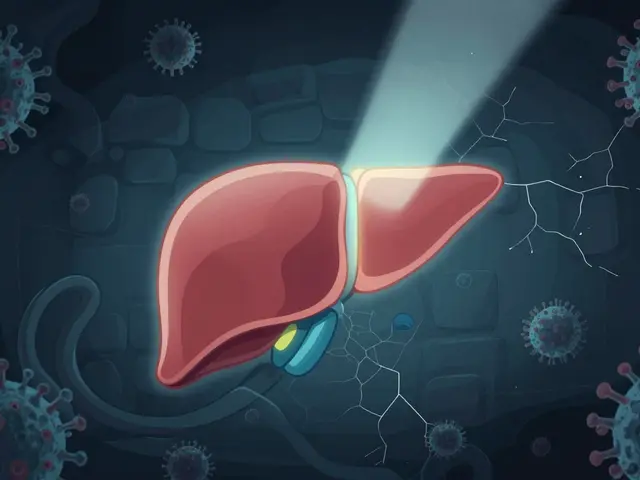
Beyond the immediate feeling of grogginess, the physical processing of these substances creates a hidden danger. Both alcohol and many medications are metabolized by the liver using an enzyme system known as Cytochrome P450. Specifically, the CYP3A4 and CYP2D6 enzymes are responsible for breaking down chemicals so your body can flush them out.
Alcohol acts as an inhibitor in this process. When you drink, it tells these enzymes to pause their work on other toxins. Instead of clearing the antihistamine from your system quickly, the levels remain elevated in your bloodstream for 25% to 40% longer than usual. This prolongation means that if you take a morning dose of allergy medicine, drink socially in the afternoon, and try to drive in the evening, you may still have high concentrations of the drug circulating in your system.
Real-World Risks Beyond Sleepiness
It is easy to dismiss this interaction as "just needing a nap," but the stakes are higher. Impaired judgment is a direct result of deep sedation. If you pass out unexpectedly, injuries become likely. Statistics from the American Geriatrics Society show that for adults over 65, mixing these substances increases the risk of falls and hip fractures by 75%. Balance requires clear brain function, and a double-dose depression of the CNS compromises spatial awareness.
Furthermore, there is the issue of respiratory depression. While less common with standard doses, emergency department records reveal that significant overdoses involving antihistamines and alcohol can suppress breathing rates. In vulnerable individuals, particularly those with underlying respiratory issues like asthma, this combination can turn fatal.

Hiding in Plain Sight
A major reason people get hurt is that they don't realize what they are taking. Sleep Aids and cold remedies often contain diphenhydramine. Many multi-symptom flu tablets list it as a secondary ingredient. Since these products sit right next to your vitamins in the pantry, it is incredibly easy to grab a pill for a runny nose before a night out and forget it is interacting with your wine or beer.
Always check the "Active Ingredients" panel on OTC boxes. Look for the -dramine suffix or generic names ending in -dramine. If it is not a second-generation drug, assume it will make you sleepy.
Safer Strategies for Allergy Sufferers
If you manage seasonal allergies and want to enjoy a drink without risking your safety, there are adjustments you can make. Timing is your best defense. For first-generation medications, wait at least 12 hours after your last dose before drinking. For second-generation types, you might be okay after 8 to 12 hours, though individual metabolism varies.
Consider switching treatment strategies entirely during holiday seasons. Intranasal corticosteroids (like Flonase) or leukotriene inhibitors (like Singulair) are effective alternatives for seasonal management. Unlike oral antihistamines, these classes of medication generally do not interact with alcohol or cause sedation. Consult your local pharmacist or GP to switch prescriptions ahead of events where you plan to drink.
Is it safe to drink red wine with Zyrtec?
While Zyrtec (cetirizine) is considered less sedating than older meds, combining it with any alcohol carries a risk. Studies show drowsiness rises from about 15% to nearly 40% when mixed. Red wine contains alcohol, so you remain at risk of impaired alertness.
How long does Benadryl stay in your system after drinking?
Alcohol inhibits the enzymes that break down Benadryl (diphenhydramine). This can keep the drug's peak effects in your body for up to 40% longer than normal. You should wait a minimum of 12 to 16 hours after taking Benadryl before consuming alcohol safely.
Does mixing Claritin and alcohol increase BAC?
It doesn't necessarily raise your Blood Alcohol Concentration number, but it impairs you far more than the BAC suggests. Your reaction time and coordination will reflect a higher level of intoxication than the alcohol alone would cause.
Are non-drowsy antihistamines truly safe with alcohol?
No. "Non-drowsy" refers to how the drug behaves alone. Once introduced to alcohol, the protective barriers in the brain weaken, increasing the likelihood of sedation. No antihistamine is guaranteed safe with heavy alcohol consumption.
What symptoms indicate a dangerous interaction?
Watch for confusion, extreme dizziness, difficulty breathing, memory loss, or falling asleep uncontrollably. If you experience slurred speech beyond typical drunkenness or lose consciousness, seek medical help immediately.




Victor Ortiz
March 30, 2026 AT 12:06The statistics provided here are frankly underwhelming given the obvious physiological mechanisms at play. Most people ignore the cytochrome inhibition data until they crash their vehicle. It is negligence to claim safety when the CNS depression is synergistic rather than additive.
Amber Armstrong
March 31, 2026 AT 06:07I understand why you would feel frustrated by the lack of public awareness regarding these dangers. My own family member learned this lesson the hard way back in 2019. We never really talk about how tired we get after taking those pills at night. Everyone just assumes that sleeping helps you wake up refreshed the next day. But mixing drinks changes the entire chemical balance within your system completely. I worry so much for my younger cousins who grab random meds off the shelf. They do not read labels carefully enough before opening their pantry cabinets. Sometimes the fatigue feels like nothing until you try to focus on the road ahead. That split-second reaction loss could mean someone loses their life permanently. I know it sounds dramatic but the numbers shown in the table are pretty scary. First-generation drugs stay active for much longer than we expect. Second-generation ones might seem safer but the risk is still there definitely. Alcohol just opens up pathways in the brain that usually stay closed tightly. It is heartbreaking to see preventable injuries happen due to simple ignorance. Please take the time to read the fine print on every bottle you buy. Sharing this knowledge helps keep our community safer from unnecessary accidents.
emma ruth rodriguez
March 31, 2026 AT 18:29While the article provides valuable insight into pharmacological interactions, further clarification regarding specific dosage limits would be beneficial for general readership. It is imperative that individuals consult medical professionals before altering medication schedules to accommodate social drinking habits. The distinction between blood-brain barrier permeability and enzyme inhibition is scientifically significant.
Rick Jackson
April 2, 2026 AT 03:40There is wisdom in respecting the body's natural limits. We often forget that chemistry dictates reality regardless of intent. Balance is key in all things including health management. One must remain vigilant against complacency in safety measures.
Beccy Smart
April 2, 2026 AT 19:57You people really need to stop being so careless about your own bodies 🙄. Just stick to water and leave the mixing alone for once. It is sad how adults act like children with medicine. 🍷😴
sanatan kaushik
April 3, 2026 AT 14:11Blame is easy but education is harder work for most people. Stop acting like heroes and listen to the warnings instead.
Debbie Fradin
April 3, 2026 AT 22:54Honestly the panic selling of information online is ridiculous yet we learn something new. The fact that a cough syrup and a glass of wine equal a coma zone is wild. Still happy to see someone finally wrote about the liver enzymes properly. Life goes on but hopefully without broken bones.
Kendell Callaway Mooney
April 4, 2026 AT 11:43Knowing the signs of interaction saves lives in the real world. Always check the label for active ingredients before drinking. Keep the timing between doses and drinks wide open. Talk to your pharmacist if you need help reading lists.
dPhanen DhrubRaaj
April 6, 2026 AT 10:39people often miss the small details written on boxes because nobody reads them anymore and accidents happen.