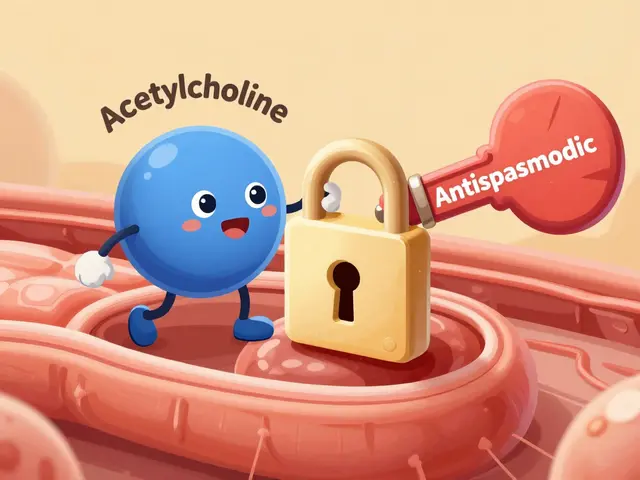
Imagine waking up to find that your life-saving heart medication now costs more than your weekly grocery bill. For millions of Americans, this isn't a nightmare-it's a Tuesday. With insulin prices skyrocketing and specialty drugs becoming prohibitively expensive, the gap between a prescription and the ability to pay for it is widening. But here is the secret: there is a massive, fragmented web of federal and state support designed to bridge that gap. If you aren't using these programs, you're likely leaving thousands of dollars on the table.
The Safety Net: Federal vs. State Support
When you're trying to lower your pharmacy bill, you're usually looking at two different levels of government. First, there is the federal layer, dominated by Medicare Extra Help is a federal program administered by the Social Security Administration that assists people with limited income and resources in paying for Medicare Part D prescription drug plan costs. It is the gold standard for assistance because it drastically reduces premiums and deductibles. For 2025, the income limit for an individual is $23,475, while married couples can earn up to $31,725.
Then, there are the State Pharmaceutical Assistance Programs (known as SPAPs), which are state-run initiatives that provide financial aid for prescriptions to specific populations, such as the elderly, disabled, or low-income residents. Unlike the federal program, SPAPs vary wildly. Some states have robust budgets, while others offer minimal support. For instance, Pennsylvania's PACE program operates with a budget of roughly $215 million, whereas Wyoming's program is much smaller at $15 million.
Breaking Down State-Specific Programs
Depending on where you live, your experience with medication assistance will be completely different. Let's look at a few heavy hitters to see how they work in the real world.
In New Jersey, the PAAD (Pharmaceutical Assistance to the Aged and Disabled) program has been around since 1967. It's a lifeline for many, offering co-pays as low as $5 for generics and $7 for brand-name drugs. A key detail here is that if you're eligible for Medicare, PAAD requires you to enroll in a Part D plan, but they'll often pay the premiums for standard plans that fall below the regional benchmark of $34.70.
Pennsylvania takes a different approach with its PACE (Pharmaceutical Assistance Contract for the Elderly) program. PACE is unique because it often acts as a "wrap-around" service. It can cover Part D premiums and medications that Medicare doesn't even touch. However, the catch is the sequence: you usually have to apply for Extra Help first before PACE steps in to cover the remaining costs.
California utilizes Medi-Cal Rx, which is particularly powerful for those needing specialty drugs. While Medicare Part D has its own list of covered drugs (a formulary), Medi-Cal Rx adds about 127 additional specialty medications to that list, ensuring patients with complex conditions aren't left without options.
| Feature | Medicare Extra Help | NJ PAAD | PA PACE |
|---|---|---|---|
| Individual Income Limit | $23,475 | Varies by age/disability | $27,470 |
| Generic Copay | Up to $4.90 | $5.00 | Varies |
| Brand Copay | Up to $12.15 | $7.00 | Varies |
| Resource Limit | $17,600 | State-specific | State-specific |

The 2025 Game Changer: The Inflation Reduction Act
If you've been struggling with the "donut hole" or catastrophic coverage thresholds, 2025 is a pivotal year. The Inflation Reduction Act has introduced a massive shift: a $2,000 annual out-of-pocket cap for Medicare Part D beneficiaries. This is a huge deal. Previously, you had to hit a much higher threshold before catastrophic coverage kicked in. Now, once you spend $2,000 on your drugs in a year, you're essentially done paying for the rest of that year.
For those on Extra Help, this cap represents a 44% reduction in maximum possible costs compared to 2024. Additionally, dual-eligible beneficiaries (those with both Medicare and Medicaid) can now change their drug coverage once per month, giving them much more flexibility to switch plans if a medication is no longer covered or becomes too expensive.
The Reality of Applying: Pitfalls and Pro Tips
Here is the honest truth: applying for these programs can be a nightmare. Some people spend over eight hours just filling out the paperwork. The Medicare Rights Center found that 42% of eligible people never actually enroll simply because they are confused by the process. If you're staring at an SSA-1020 form for Extra Help and feeling overwhelmed, you aren't alone.
The biggest pitfall is the processing time. Extra Help applications can take up to 90 days to process. This means you might have to pay full price for your medications for three months while the government decides if you qualify. To avoid this, start your application at least four months before your current coverage expires or before you enter a new plan year.
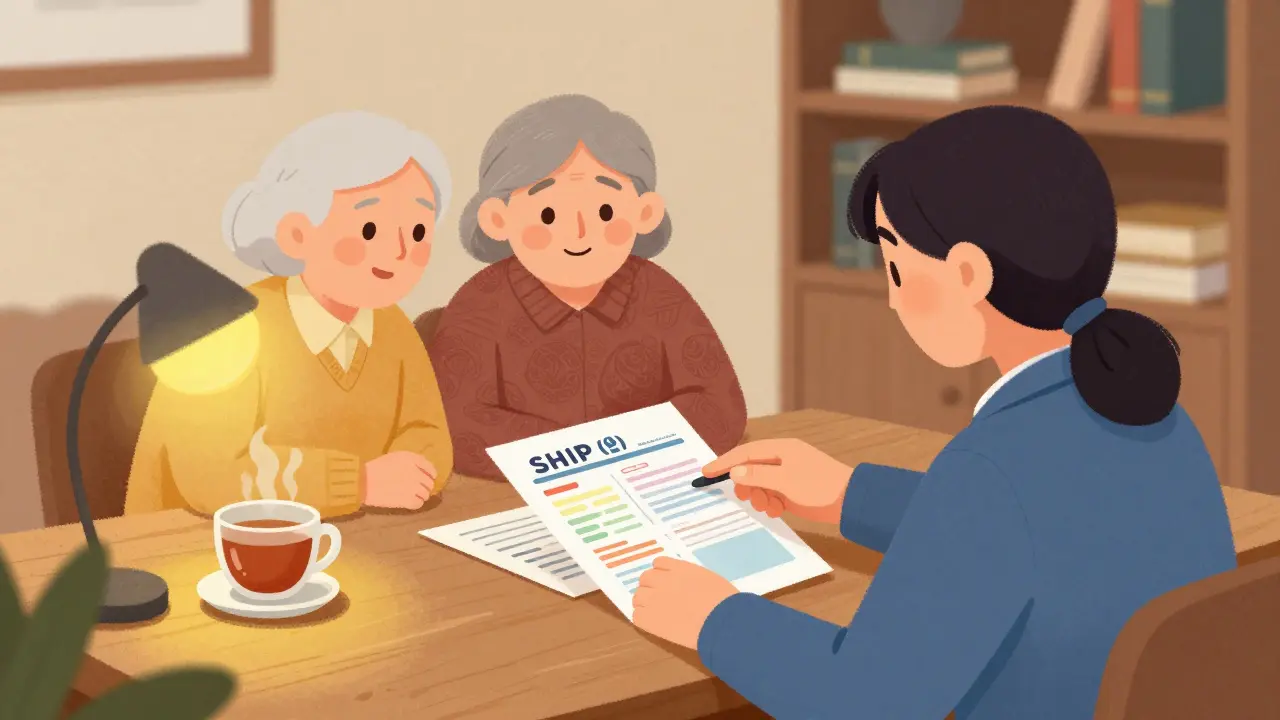
If you're feeling stuck, don't try to do it alone. The State Health Insurance Assistance Program (known as SHIP) provides free, unbiased counseling in every state. There are roughly 14,000 certified counselors who can help you navigate the forms and find the specific state program that fits your income level. This is a free service-don't pay a "consultant" to do something SHIP does for free.
Warning Signs and Sustainability Issues
While these programs are great, they aren't perfect. We're seeing a trend where the cost of specialty drugs is growing at about 12.3% annually, but state budgets are only growing by 4-6%. This gap is creating a "sustainability crisis." To cope, 18 states have already started reducing their formularies or adding more "prior authorization" requirements. This means that just because a drug was covered last year doesn't mean it will be this year.
Another point of contention is the "resource limit." For example, the $17,600 resource limit for Extra Help is the same whether you live in rural Mississippi or downtown Manhattan. This effectively shuts out many people in high-cost cities who might have a small amount of savings but are still struggling to afford their medication.
Step-by-Step: How to Get Started
- Check Your Income: Compare your last tax return against the 2025 limits ($23,475 for individuals for Extra Help).
- Contact SHIP: Find your local SHIP counselor to see if you qualify for both federal and state (SPAP) programs.
- Apply for Extra Help First: Because many state programs (like PACE) require federal approval first, start with the Social Security Administration.
- Gather Documentation: Have your tax records, proof of residence, and a current list of all medications and dosages ready.
- Submit and Follow Up: Submit your forms and set a calendar reminder to check the status after 30 days.
What is the difference between a SPAP and Medicare Extra Help?
Medicare Extra Help is a federal program that lowers Part D costs for low-income individuals across the US. SPAPs (State Pharmaceutical Assistance Programs) are state-specific initiatives that provide additional aid. Some people qualify for both, which can bring out-of-pocket costs down to almost nothing.
Does applying for medication assistance affect my taxes?
No, these are assistance programs based on financial need, not taxable income. Receiving aid from programs like PAAD or Extra Help does not count as taxable income.
How long does it take to get approved for Extra Help?
The average processing time is about 90 days. However, the government is implementing new standardized forms by January 2026 to reduce this time by roughly 30%.
What happens if my medication isn't on the state formulary?
You can file an appeal. However, be warned that this process can take 6-8 weeks. It is best to work with your doctor to find a covered alternative or start the appeal process as soon as the prescription is written.
Can I change my drug plan if I have Extra Help?
Yes. Starting in 2025, individuals with Medicaid or Extra Help can change their drug coverage once per month, rather than waiting for the annual open enrollment period.