
Anticholinergic Burden Estimator
Select the categories of medications you are currently taking to estimate your total anticholinergic burden score.
The Basics of Antispasmodics and How They Work
To understand the interactions, you first have to understand what these drugs are doing. Antispasmodics is a class of medications that block acetylcholine from binding to muscarinic receptors, which relaxes the smooth muscles in your gastrointestinal and urinary tracts. Essentially, they put a "lock" on the receptors that tell your muscles to contract. This is great for someone with severe stomach cramps or an overactive bladder, but it's not a surgical strike; it's more like a blanket effect across your body.
Common examples include Dicyclomine, often used for irritable bowel syndrome, and Hyoscine (also known as scopolamine). While these are effective, they have a narrow therapeutic index. For instance, data from the Mayo Clinic shows that at higher doses (like 160 mg/day of dicyclomine), adverse event rates can jump to 69% compared to just 16% for those taking a placebo. This means the line between "working" and "causing problems" is quite thin.
The Danger of the "Additive Effect"
The biggest risk with these drugs isn't usually a single pill, but the combination. Many medications that aren't labeled as "antispasmodics" actually have anticholinergic properties. This includes several antidepressants, antipsychotics, and common over-the-counter antihistamines like Benadryl. When you take a dedicated antispasmodic alongside these, the effects don't just add up-they multiply.
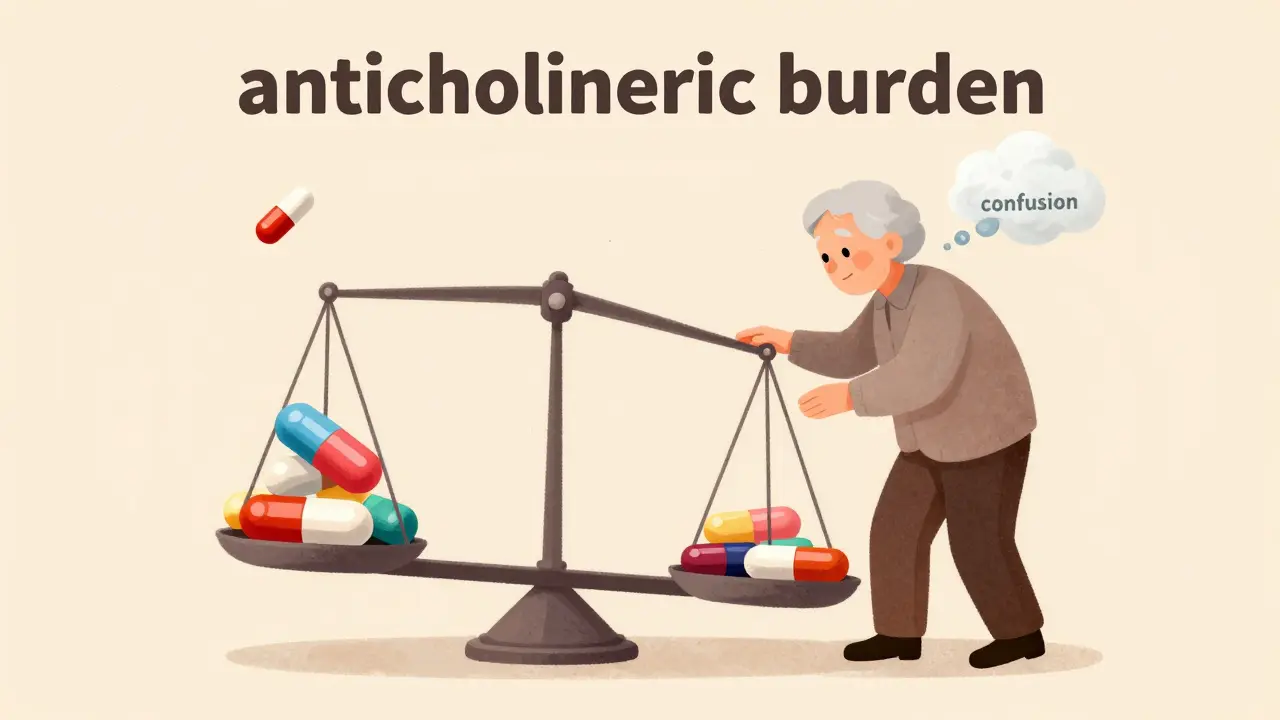
Think of it as a tipping point. One drug might make your mouth a bit dry. Two might make you slightly constipated. Three can lead to a state of delirium or acute confusion, especially in older adults. This is why the Beers Criteria-the gold standard for safe prescribing in seniors-explicitly warns against using these medications in older populations. The brain is more sensitive to these blocks, and the result can be a sudden drop in cognitive function.
| Entity | Primary Use | Key Attribute | Interaction Risk Level |
|---|---|---|---|
| Dicyclomine | GI Spasms/IBS | Direct smooth muscle relaxant | High (Systemic) |
| Hyoscine | Motion Sickness/Cramps | Poor blood-brain barrier penetration | Moderate (Lower CNS risk) |
| Atropine | Heart Rate/Toxicity | Strong systemic action | Very High |
High-Risk Medication Combinations
Not all interactions are created equal. Some combinations are particularly dangerous because they target the same systems in the body. Here are the most common "danger zones":
- Psychotropic Medications: Combining antispasmodics with tricyclic antidepressants (like amitriptyline) can lead to severe constipation and a loss of drug efficacy. One patient reported that adding amitriptyline for nerve pain actually made their dicyclomine stop working while simultaneously causing severe bowel issues.
- OTC Allergy Meds: Using a prescription drug like oxybutynin with an over-the-counter antihistamine can cause blurred vision and sudden confusion. This happens because both drugs compete for the same receptors in the eyes and brain.
- CNS Depressants: Drugs that slow down the central nervous system can amplify the sedative effects of anticholinergics, making you feel sluggish or mentally "foggy."
- MAOIs: Certain monoamine oxidase inhibitors have strict contraindications with anticholinergics due to the risk of severe blood pressure or heart rate fluctuations.
Recognizing the Signs of Anticholinergic Burden
How do you know if your medications are interacting? It usually starts with subtle physical changes. You might notice your mouth feels like a desert (xerostomia) or you're struggling to go to the bathroom. These are the first warning signs that your "cholinergic load" is too high. If you notice your vision getting blurry or your heart racing (tachycardia) without a clear cause, you're likely experiencing systemic anticholinergic effects.
In more severe cases, the interaction manifests as mental changes. This is where the Anticholinergic Cognitive Burden Scale comes in. Healthcare providers use this to score a patient's total medication list. If the score is above 2, adding another anticholinergic drug is generally considered a bad idea. It's a simple but effective way to prevent medication-induced delirium.

Modern Shifts in Treatment
Because these interactions are so common and often dangerous, the medical community is moving away from these drugs. About 68% of gastroenterologists now prefer non-anticholinergic options for treating functional gut disorders. Why? Because the risk-benefit ratio has shifted. We now have better tools and newer agents that don't mess with the autonomic nervous system as aggressively.
Digital health is also stepping in. Tools like the Anticholinergic Burden Calculator now integrate directly into electronic health records. This means when a doctor types in a prescription, the system can automatically flag if the patient is already taking a drug that would increase their burden. A study in JAMA Internal Medicine found that this simple tech intervention reduced inappropriate co-prescribing by 43%.
Practical Steps for Patients and Caregivers
If you or a loved one are taking antispasmodics, don't panic, but do be proactive. The best defense is a comprehensive medication review. This isn't just a quick glance at your pill bottles; it's a 15-to-20 minute deep dive where a pharmacist or doctor checks every single ingredient in everything you take, including supplements and vitamins.
Be especially cautious with "sleep aids" and bladder control medications, as these are frequent culprits in hidden anticholinergic burdens. If you're over 65, the stakes are higher. Your body processes these drugs differently, and the blood-brain barrier is often more permeable, making you more susceptible to the cognitive "fog" associated with these interactions.
Can I take Benadryl if I'm on a prescription antispasmodic?
It is generally not recommended without consulting your doctor. Both Benadryl (diphenhydramine) and antispasmodics block acetylcholine. Combining them can significantly increase the risk of dry mouth, blurred vision, and mental confusion, creating a high anticholinergic burden.
Why do these drugs cause confusion in the elderly?
Older adults often have a more permeable blood-brain barrier and decreased cholinergic activity in the brain. When antispasmodics block acetylcholine in the CNS, it can trigger delirium or cognitive impairment more easily than in younger patients.
What is a "safe" alternative to anticholinergic antispasmodics?
Depending on the condition, doctors may suggest calcium channel blockers or other non-anticholinergic agents that relax smooth muscles without blocking acetylcholine receptors. Always discuss alternatives with your physician to ensure they fit your specific diagnosis.
How long does it take for these interactions to show up?
Some effects, like dry mouth, can happen almost immediately after the second drug is introduced. However, cognitive decline or severe constipation may develop over several days or weeks as the drug levels build up in your system.
Should I stop my medication immediately if I suspect an interaction?
No. Suddenly stopping certain medications can cause withdrawal symptoms or a rebound of your original condition. Instead, contact your healthcare provider to discuss a supervised taper or a switch to a different medication.
- Recent
- Popular