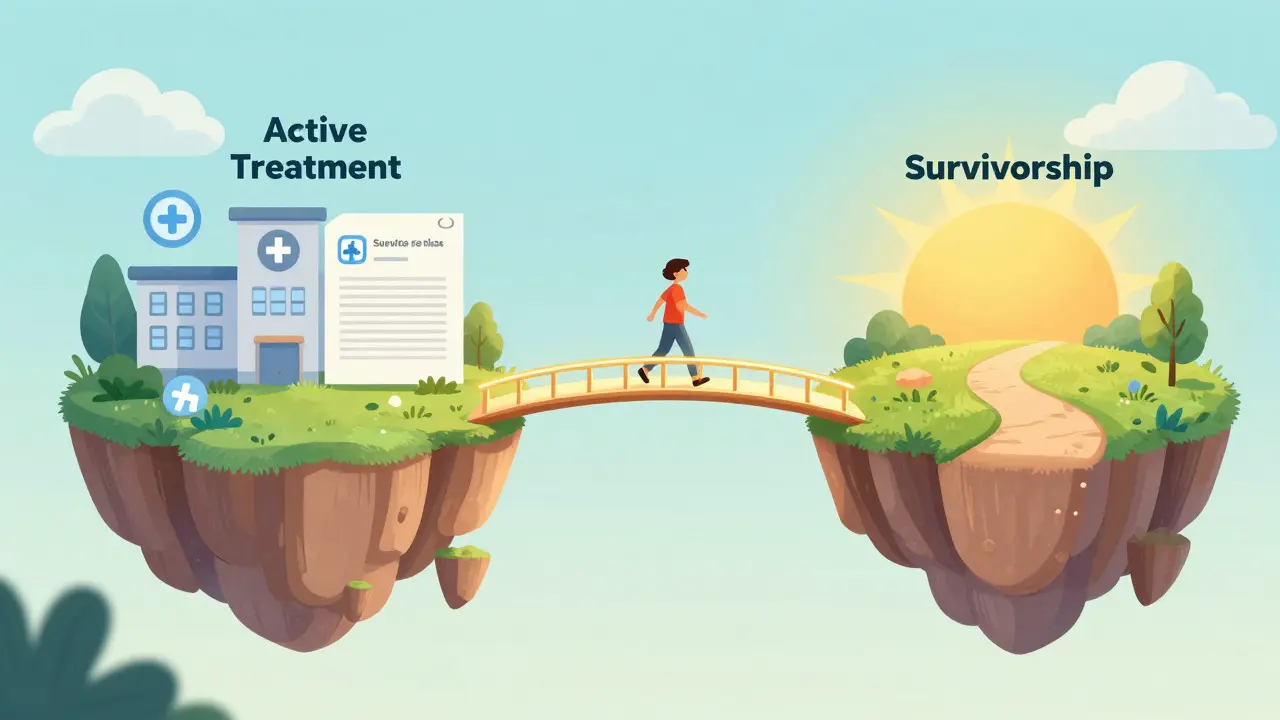
A Survivorship Care Plan is a structured medical record that documents a patient's cancer history and provides a personalized roadmap for follow-up care. It acts as a bridge, ensuring that the transition from active treatment to long-term monitoring doesn't result in critical screenings being missed. According to the National Academy of Medicine, these plans are designed specifically to stop care from "falling through the cracks."
What actually goes into a survivorship plan?
A complete plan isn't just a discharge summary; it's a two-part document. First, there is the Treatment Summary. This is the "what happened" section. It should include the exact date of diagnosis, the type and stage of the cancer, and the histology (the cell type). Crucially, it lists every medication, the specific dose, and the number of cycles of chemotherapy or biotherapy administered. If you had radiation, it should note the site and the total dose. For those who underwent surgery, the specific procedure is documented here.
The second part is the Follow-up Plan, which is the "what's next" section. This is where the survivorship care plans provide the most value. It outlines a calendar of visits with specialists and a schedule for surveillance testing to catch any recurrence early. It also lists the late effects-health problems that appear months or years after treatment ends-and provides a strategy for healthy living, such as dietary changes and exercise routines tailored to your recovery.
| Component | Key Attributes | Why It Matters |
|---|---|---|
| Treatment Summary | Diagnosis date, stage, drug regimens, radiation doses, surgery types | Provides a permanent record for future doctors who weren't present during treatment. |
| Surveillance Schedule | Frequency of blood tests, imaging (CT/MRI), and physical exams | Ensures early detection of recurrence through guideline-concordant testing. |
| Late Effects Guide | Organ-specific risks based on treatment (e.g., cardiac or pulmonary risks) | Allows primary care doctors to monitor for specific complications early. |
| Wellness Strategy | Smoking cessation, weight-bearing exercise, nutritional goals | Reduces the risk of secondary cancers and improves overall quality of life. |
Understanding late effects and long-term monitoring
One of the scariest parts of survivorship is the "late effect." These are side effects that don't show up immediately. For example, someone who received chest radiation for Hodgkin lymphoma needs a mammogram annually starting eight years after that radiation because the risk of secondary breast cancer increases. These aren't random guesses; they are based on hard data.
The Children's Oncology Group (COG) manages this with extreme precision. Their guidelines cover 15 different organ systems affected by 17 different treatment exposures. They use specific thresholds to trigger tests. For instance, if a survivor received anthracyclines (a type of chemo) at a dose higher than 250 mg/m², they are required to have an echocardiogram every five years to monitor heart function. This level of detail prevents the "one-size-fits-all" approach and targets monitoring to the patient's actual risk profile.
Closing the gap between specialists and primary care
The real-world struggle is that oncology and primary care often speak different languages. Many primary care physicians report feeling unprepared to manage the long-term needs of cancer survivors without a specific guide. When a survivor brings a formal plan to their appointment, the likelihood of receiving the correct, guideline-based follow-up care jumps by about 37%.
However, the plan is only a tool if it's used. Only about 41% of survivors actually bring their plan to their primary care visits. To make this work, you need to treat your survivorship plan like a passport-it goes with you to every new doctor, every specialist visit, and every annual check-up. It ensures that your GP knows exactly which tests to order and when, without having to hunt through old hospital records.
The move toward digital and personalized care
We are moving away from static PDF documents toward dynamic, AI-driven tools. New platforms like OncoLife is a digital survivorship tool that generates personalized plans based on 35 different treatment variables. These digital versions are faster to create and easier to update. Some centers are now integrating genomic risk scores into these plans, meaning if your DNA suggests a higher risk for a secondary cancer, your screening schedule is automatically intensified.
We're also seeing the rise of "risk-adapted" care. Instead of every breast cancer survivor getting the same set of tests, doctors are stratifying follow-up intensity based on the specific treatment exposure and genetic markers. This prevents "over-screening" (which can cause anxiety and unnecessary biopsies) while ensuring high-risk patients get the vigilance they need.
Practical steps for survivors and caregivers
If you don't have a formal plan, don't panic, but do be proactive. You can request one from your oncology team. If they don't have a standardized template, you can use the American Society of Clinical Oncology (ASCO) guidelines as a checklist of what to ask for. Your goal is to leave the oncology clinic with a document that tells you exactly who is responsible for which test and when it needs to happen.
- Request a Summary: Ask for a detailed list of all drugs, doses, and radiation sites used.
- Confirm the Calendar: Get a written schedule of all blood work, scans, and physical exams for the next five years.
- Identify Late Effects: Ask your doctor, "Based on my specific treatment, what organs should my primary doctor be monitoring?"
- Sync Your Doctors: Schedule a transition appointment where your oncologist and primary care provider can discuss the plan.
What is the difference between a treatment summary and a survivorship care plan?
A treatment summary is a retrospective record-it tells you what happened during your treatment (drugs, doses, surgery). A survivorship care plan is prospective; it includes that summary but adds a future-looking roadmap of screenings, follow-up appointments, and strategies to manage long-term side effects.
Why do I need a plan if I feel healthy now?
Many "late effects" of cancer treatment are silent. For example, heart damage from certain chemotherapies or secondary cancers from radiation may not cause symptoms until years later. A plan ensures you get the specific tests (like echocardiograms or targeted imaging) to catch these issues while they are still treatable.
Who is responsible for managing my survivorship plan?
While the oncology team usually creates the initial plan, the ongoing management is typically a partnership between you and your primary care provider (PCP). The PCP uses the plan to coordinate your general health and specific cancer screenings, while you are the primary keeper of the document to ensure it's shared with all your providers.
What should I do if my doctor doesn't provide a formal plan?
You can advocate for yourself by requesting a "treatment summary" and a "follow-up schedule." If the clinic is unable to provide a formal document, you can use resources from the American Cancer Society or ASCO to create your own list of questions and required tests to discuss with your medical team.
How often should the survivorship plan be updated?
Your plan should be a living document. It should be reviewed at least annually during your check-ups. If you experience new symptoms or if new medical guidelines are released (such as the biennial updates from the Children's Oncology Group), the plan should be adjusted to reflect your current risk and health status.