
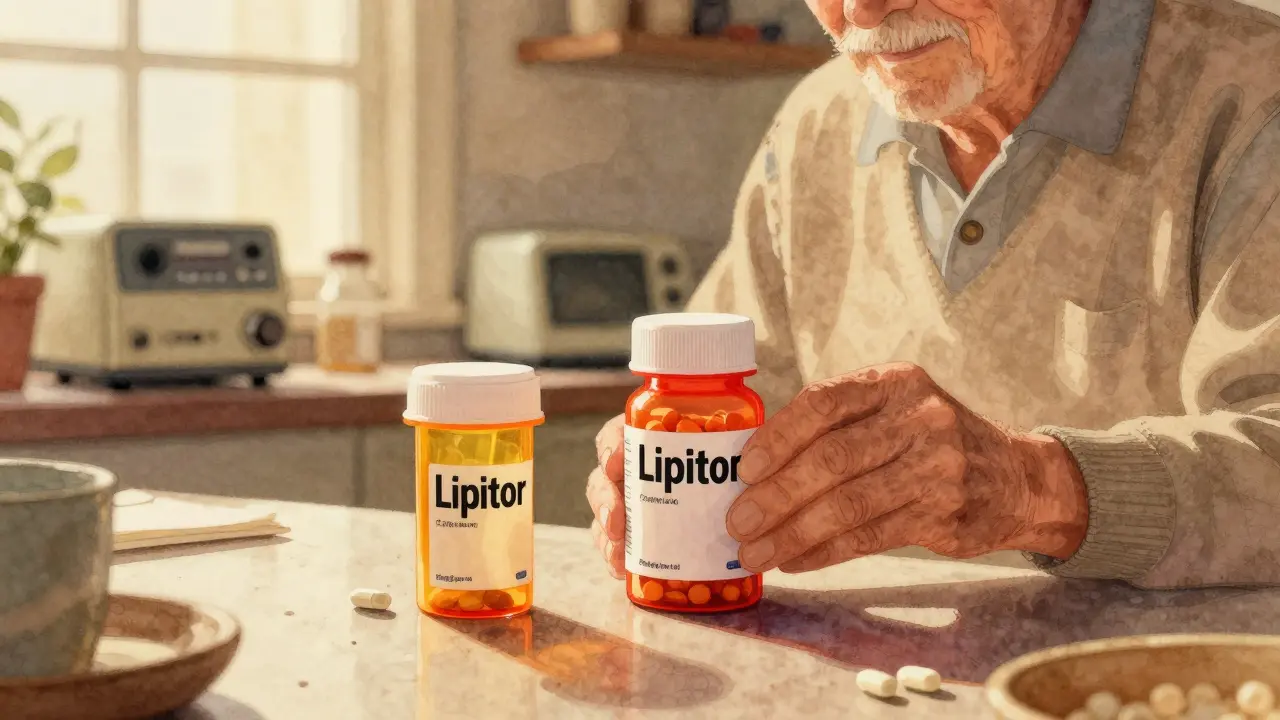
More than 90% of prescriptions filled in the U.S. are for generic drugs. Yet, many people still believe the brand-name version works better-even when the active ingredient is identical. This isn’t about science. It’s about psychology. And that psychology changes drastically depending on how old you are.
Why Older Generations Stick With Brand Names
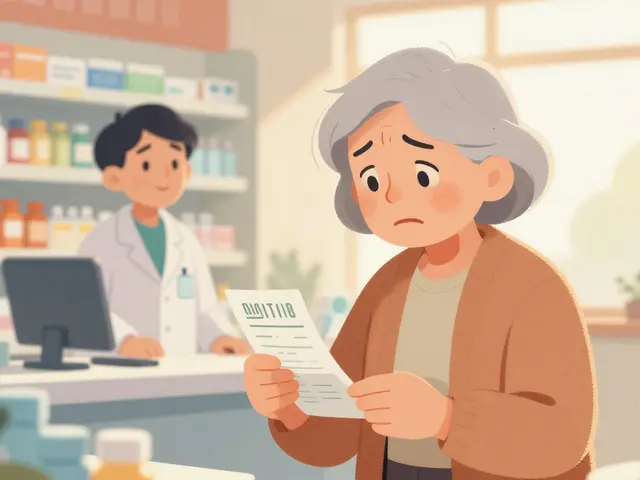
If you’re a Baby Boomer or older, you grew up with TV ads showing flashy, colorful pills with names you’ve heard since the 1980s. You remember when your doctor handed you a prescription for “Lipitor” or “Zoloft.” Back then, generics weren’t common. When they did appear, they were often seen as cheap knock-offs. That impression stuck. Studies show that people over 60 are significantly more likely to refuse a generic switch, even when their pharmacist explains it’s the same medicine. Why? It’s not that they don’t understand the science. It’s that they feel safer with the name they recognize. There’s a psychological comfort in familiarity. For them, the brand isn’t just a label-it’s a promise. A promise made by a company they’ve trusted for decades. This isn’t irrational. It’s learned behavior. When you’ve taken a medication for 20 years and it’s worked without issue, your brain links that success to the brand name. Switching to a generic-even one approved by the FDA-feels like a gamble. Even if the data says otherwise, your gut says: “Don’t mess with what works.”Gen X and the Skeptical Middle Ground
Generation X sits in the middle. They’ve seen both worlds. They remember brand-name drugs dominating the market, but they also lived through the rise of pharmacy benefit managers, rising co-pays, and the push toward cost-cutting in healthcare. Many Gen Xers are willing to try generics-if they’re told why. They’re not emotionally attached to brand names, but they’re not trusting either. They ask questions. “Is this really the same?” “Will it cause side effects?” “Has anyone else tried it?” What works for them isn’t just facts. It’s context. A pharmacist saying, “This is the exact same pill as the brand, just made by a different company after the patent expired,” lands better than a brochure with FDA logos. They respond to transparency. They want to know who made it, where, and how it was tested. One study found that Gen X patients were more likely to accept generics when their doctor explained the switch during the consultation-not just when the prescription arrived at the pharmacy. Personal validation mattered more than printed materials.Millennials and Gen Z: Trust the System, Not the Logo
If you’re under 40, you’ve probably never heard of a drug before it was available as a generic. You grew up with online research, price comparison apps, and pharmacy loyalty programs that push the cheapest option first. You don’t see a brand name as a guarantee of quality-you see it as a marketing cost passed on to you. Millennials and Gen Z are more likely to accept generics without hesitation. Why? Because they’ve been conditioned to value efficiency over branding. They’ve used generic versions of everything: painkillers, allergy meds, even birth control. They’ve seen no difference in results. They also trust regulatory systems more than older generations. They know the FDA requires generics to match brand drugs in strength, purity, and performance. They’ve read the studies. They don’t need reassurance-they need convenience. But here’s the twist: they’re also more likely to switch back if they feel something’s off. Not because they believe the generic is inferior. But because they expect consistency. If their new generic causes a headache or nausea, they’ll switch back-not because they think the brand is better, but because they expect the same experience every time. For them, it’s about reliability, not reputation.
What Really Drives the Divide? It’s Not Just Age
Age isn’t the whole story. It’s tied to deeper factors: health literacy, exposure to pharmaceutical marketing, and personal experience with medication. Older adults often have higher subjective knowledge-they’ve taken more meds over their lifetime. But their objective knowledge-what’s actually true about how generics are made and tested-is often outdated. They remember when generics had inconsistent fillers or slower absorption. Those problems are rare now, but the memory lingers. Younger people, meanwhile, have better access to up-to-date information. They Google drug interactions. They watch YouTube explainers. They read Reddit threads about side effects. They don’t rely on TV commercials or their doctor’s word alone. And then there’s trust. Older generations trusted the pharmaceutical industry more in the 1980s and 90s. Today, that trust is eroded-especially among younger people who’ve seen drug price hikes, lawsuits, and corporate scandals. Yet ironically, they still trust the generic system because it’s seen as less profit-driven.How to Bridge the Gap
There’s no one-size-fits-all fix. But there are clear strategies that work for each group. For older patients:- Don’t just hand them a new bottle. Talk to them. Ask, “Have you taken this before?”
- Use phrases like, “This is the exact same medicine your doctor prescribed, just without the brand name.”
- Show them the FDA’s generic drug approval process. A simple visual helps. For Gen X:
- Give them the details. Name the manufacturer. Mention if it’s made in the U.S. or EU.
- Let them know they can switch back if needed. Control reduces anxiety.
- Avoid jargon. Say “same active ingredient,” not “bioequivalent.” For younger patients:
- Make it easy. Apps that auto-fill generics, clear price tags, and digital reminders work better than pamphlets.
- Highlight savings. “You saved $42 this month.” That matters more than safety claims.
- Don’t over-explain. They already know the science. Just confirm it’s approved.

The Real Cost of Misunderstanding
This isn’t just about preference. It’s about access. In Australia, the PBS (Pharmaceutical Benefits Scheme) saves billions annually by promoting generics. In the U.S., generic drugs account for 90% of prescriptions but only 23% of drug spending. That’s billions in savings for patients and the system. But if people refuse generics because they think they’re inferior, they either pay more out of pocket-or skip their meds entirely. A 2022 study found that patients who avoided generics due to distrust were 37% more likely to stop taking their medication altogether. That’s the real danger. Not the placebo effect. Not the brand loyalty. It’s the risk of untreated conditions because someone couldn’t afford-or wouldn’t trust-the right medicine.What’s Next?
The gap between science and perception isn’t closing on its own. We need targeted education-not generic (pun intended) pamphlets. We need pharmacists trained to talk to Boomers differently than they talk to Gen Z. We need insurance companies that don’t just push the cheapest option, but explain why it’s safe. And we need to stop treating this as a “patient compliance” issue. It’s not that people are stubborn. It’s that they’ve been given the wrong story. The brand-name drug isn’t better. But for many, it feels like it is. And feelings, not facts, drive behavior. The solution isn’t to shame people for their beliefs. It’s to meet them where they are-with honesty, with patience, and with clear, age-appropriate communication.Are generic drugs really as effective as brand-name drugs?
Yes. By law, generic drugs must contain the same active ingredient, strength, dosage form, and route of administration as the brand-name version. They must also meet the same strict standards for purity, quality, and performance set by the FDA and similar agencies worldwide. Bioequivalence testing ensures they work the same way in the body. The only differences are in inactive ingredients like fillers or colorants, which don’t affect how the drug works.
Why do some people feel generics don’t work as well?
This is often due to the placebo effect and psychological associations. People who’ve taken a brand-name drug for years may associate its packaging, color, or name with relief. When they switch to a generic with different looks or a different manufacturer, they may notice minor differences in how the pill feels or tastes-and mistakenly blame the medicine itself. Studies show that even when patients know generics are identical, they still report better results from the brand. It’s not the drug-it’s the expectation.
Do pharmacists prefer generics over brand-name drugs?
Yes, many do-especially those who see the financial impact on patients daily. Pharmacists are often the first to notice when a patient skips doses because they can’t afford the brand. They also see how generics reduce waste and improve adherence. While some older pharmacists may have lingering doubts, most are trained to support generics as safe, cost-effective alternatives. Their attitude is shaped by direct experience, not marketing.
Can switching to a generic cause side effects?
Rarely. The active ingredient is identical, so the risk of side effects should be the same. However, some people are sensitive to inactive ingredients like dyes or preservatives. If you’ve never taken a particular generic before, it’s possible to react to a new filler. That’s not common, but if it happens, you can switch back. Your pharmacist can help find a generic with the same inactive ingredients as your previous version.
Why do some countries have higher generic use than others?
It’s mostly policy. Countries like Germany, Canada, and Australia have strong government programs that incentivize generics through pricing controls and automatic substitution rules. In the U.S., insurance plans often encourage generics, but patients can still request brand names. In China, a national procurement program replaced 17% of brand-name drugs with generics in just a few years. Culture and trust in regulators also play a role-people in countries with stronger public health systems tend to trust generics more.
Should I always choose the cheapest generic?
Generally, yes-but not always. All FDA-approved generics are equally effective. However, if you’ve had a bad reaction to one generic version, ask your pharmacist to check if another manufacturer makes the same drug. Sometimes, different companies use slightly different inactive ingredients. If cost isn’t an issue, sticking with the same manufacturer can help avoid unexpected changes in how you feel.

Jay Tejada
January 5, 2026 AT 05:42Honestly? I switched my dad to generics last year. He cried when he saw the price difference. Said he felt like he was cheating the system. Then he realized he could finally afford his blood pressure med without skipping doses. No magic, just math.
Turns out, feeling safe isn't about the logo. It's about not choosing between food and medicine.
josh plum
January 6, 2026 AT 10:07Yeah right. Generic drugs are just Big Pharma’s way of poisoning the poor with cheaper chemicals. They don’t test them like the real ones. You think the FDA cares? They get paid off by the same corporations that make the brand names. I’ve seen the documents. They hide the fillers. Your ‘same active ingredient’ is a lie wrapped in a government stamp.
Brendan F. Cochran
January 8, 2026 AT 05:22Y’all act like generics are some kind of conspiracy but I got my blood pressure med from Walmart for $4 and it’s been working since 2020. My grandpa used to scream about brand names too until he saw his bill. Now he calls them ‘the cheap stuff that actually works.’ America’s got problems but this ain’t one of em.
jigisha Patel
January 8, 2026 AT 22:00The assertion that generational attitudes correlate with trust in regulatory bodies is statistically unsound without controlling for socioeconomic status, educational attainment, and regional healthcare access. The data presented conflates correlation with causation, particularly in the characterization of Gen Z’s ‘conditioning’-a term that implies behavioral manipulation rather than informed consumer choice. Furthermore, the reliance on anecdotal pharmacy narratives as evidence of systemic efficacy is methodologically weak.
Jason Stafford
January 10, 2026 AT 11:15They’re hiding something. I’ve been on the same generic for three years. Last month, my pills changed color. Same bottle. Same name. But now I get dizzy. Coincidence? No. They swapped the filler. They always do. The FDA doesn’t regulate the fillers. They just rubber-stamp it. And now they want us to trust the colorless, tasteless poison? Wake up. This isn’t medicine. It’s a chemical experiment on the middle class.
Rory Corrigan
January 11, 2026 AT 13:27We assign meaning to objects because we’re afraid of the void. The brand name isn’t the drug-it’s the story we tell ourselves to feel in control. The generic is the mirror. It shows us that we’ve been buying reassurance, not chemistry. And when the mirror cracks? We don’t blame the glass. We blame the reflection.
That’s not irrational. That’s human.
Connor Hale
January 12, 2026 AT 15:23I used to think generics were sketchy too. Then I started working in a clinic. Saw a grandma with diabetes choose between insulin and groceries every month. She switched to generic. No side effects. No drama. Just life. Turns out, the science isn’t the problem. The story is.
We’re not arguing about pills. We’re arguing about who gets to feel safe in a broken system.
Chris Cantey
January 13, 2026 AT 02:22I used to be one of those people who swore by brand names. Then my mom got sick. We had no insurance. We had to switch. I watched her tremble the first day she took the generic. But then she smiled. Said she felt… normal. Not better. Not worse. Just… normal.
That’s the thing nobody talks about. It’s not about trust in science. It’s about trust in yourself to survive. And sometimes, survival means letting go of the thing that made you feel like you had control.
Abhishek Mondal
January 13, 2026 AT 11:20Let’s be clear: the entire narrative is a neoliberal fabrication designed to shift pharmaceutical liability onto the patient’s psyche. The ‘placebo effect’ is a euphemism for the pharmaceutical industry’s successful colonization of embodied experience. Moreover, the assumption that younger generations are ‘conditioned’ by apps and loyalty programs ignores the structural coercion inherent in insurance formularies. You’re not choosing generics-you’re being forced into them. And now you’re being told to be grateful.
Who benefits? Not you.
Oluwapelumi Yakubu
January 13, 2026 AT 23:17Back home in Lagos, we don’t even have brand names. Everything’s generic. People still live. Still heal. Still dance at weddings. You Americans act like your pills are magic potions with names on them. The medicine doesn’t care what you call it. Your body just wants to work. Stop overthinking. Just take the damn pill.
Terri Gladden
January 14, 2026 AT 21:46I switched to generic and my anxiety got worse. Like, way worse. I swear it’s the filler. I cried for three days. My husband said I was being dramatic. But I know what I felt. And now I won’t take anything that doesn’t have the blue logo. It’s not about money. It’s about feeling safe. And I won’t be gaslit into thinking I’m crazy.
Jennifer Glass
January 15, 2026 AT 20:56My mom is 72 and refuses generics. I sat with her for an hour last week, showing her the FDA’s bioequivalence charts. She didn’t say much. But yesterday, she texted me: ‘They gave me the little white pill again. It didn’t hurt.’
She didn’t say ‘it worked.’ She didn’t say ‘I trust it.’
She just said it didn’t hurt.
That’s enough.
Joseph Snow
January 17, 2026 AT 20:21It’s not about psychology. It’s about liability. If you take a generic and something goes wrong, who do you sue? The pharmacy? The manufacturer? The FDA? The brand name gives you a target. A name. A face. A lawsuit. Generics are a legal black hole. And you want people to just ‘trust the system’? That’s not rational. That’s reckless.
melissa cucic
January 19, 2026 AT 03:15There’s a quiet dignity in the way older generations hold onto brand names-not out of ignorance, but out of loyalty to a system that once cared enough to market to them. We’ve moved to algorithms and auto-fill, but they remember when someone sat with them, explained the pill, and asked how they were feeling.
Maybe the real gap isn’t in the medicine.
It’s in the human connection.
saurabh singh
January 20, 2026 AT 05:21Bro, in India we’ve been using generics since the 80s. No one cares about logos. We care about the doctor’s stamp and the price. My uncle took the same generic for 20 years. Never had a problem. Now he laughs at Americans who pay $100 for a pill that costs $3 here. You’re not afraid of the medicine. You’re afraid of being ripped off. And honestly? You’re right to be.