
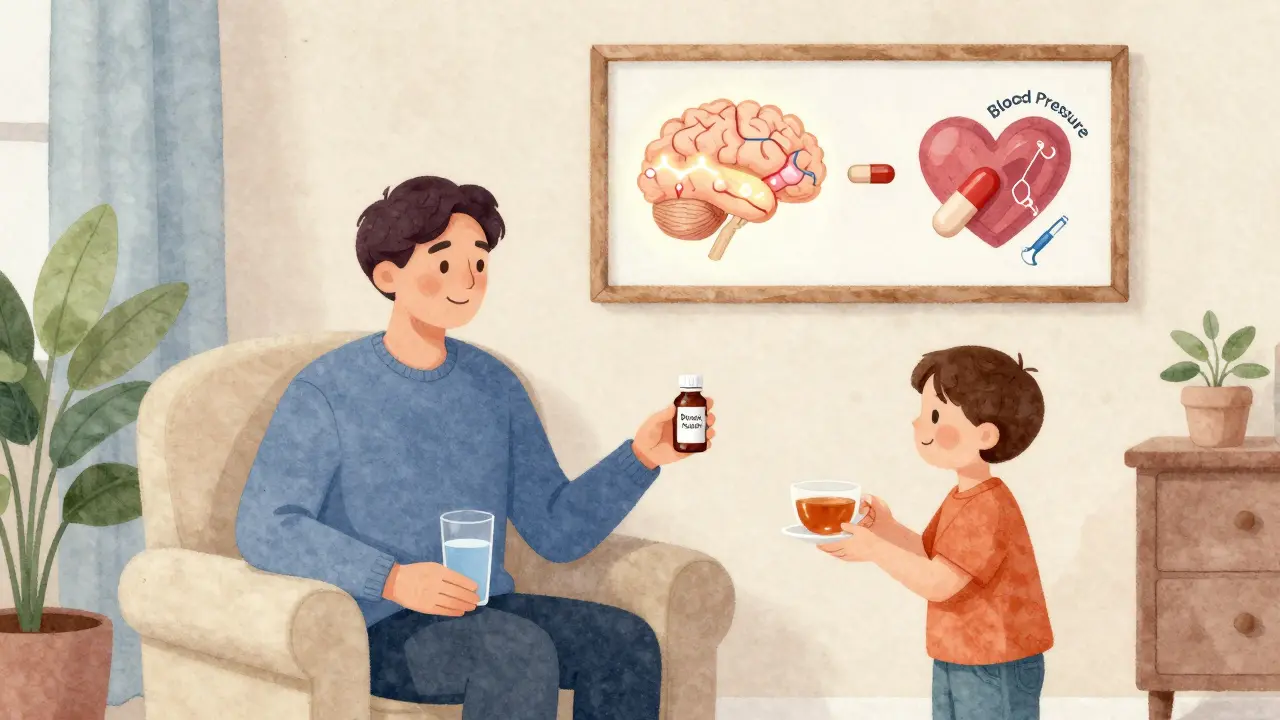
When someone says they take medication for anxiety or depression, the reaction isn’t always understanding. Sometimes it’s silence. Sometimes it’s a raised eyebrow. Or worse - a joke about being "on pills." This isn’t just awkward. It’s harmful. Mental health medication stigma is real, and it’s stopping people from getting the care they need. In fact, nearly one in three adults who don’t seek treatment for mental illness say they’re afraid of what others will think about their medication. That fear doesn’t come from nowhere. It’s shaped by years of misinformation, cultural myths, and language that frames treatment as weakness instead of healing.
Why Medication Stigma Is Different
People often confuse mental health stigma with medication stigma, but they’re not the same. General mental health stigma might make someone feel ashamed for having depression. Medication stigma makes them feel like they’re taking something dangerous, addictive, or fake - like they’re using drugs to cope instead of treating a medical condition. The difference matters because it changes how you talk about it.Think about it: if someone has diabetes, we don’t call their insulin "drugs." We call it treatment. If someone has high blood pressure, we don’t whisper about their pills. We say they’re managing a chronic illness. But when it comes to antidepressants or mood stabilizers, the language changes. Words like "meds," "pills," or even "drugs" trigger negative associations. Research shows using these terms increases stigma by 41%. That’s why saying "medication" instead of "pills" isn’t just polite - it’s part of the solution.
The myth that psychiatric medications change your personality or make you feel "numb" is widespread. But here’s the truth: medications for depression and anxiety work like insulin for diabetes. They don’t create new feelings. They restore balance. Studies show 40-60% of people with moderate to severe depression respond well to medication. That’s not luck. That’s science. And yet, 25% of patients stop taking their antidepressants within 30 days - not because they don’t work, but because they’re too embarrassed to keep taking them.
How Providers Can Make a Difference
Healthcare providers are on the front lines. The way you talk about medication can either reinforce stigma or break it down. A 2021 study found that 22% of primary care doctors hold negative views about patients who ask for psychiatric meds. That’s not just a gap in knowledge - it’s a barrier to care.Here’s what works:
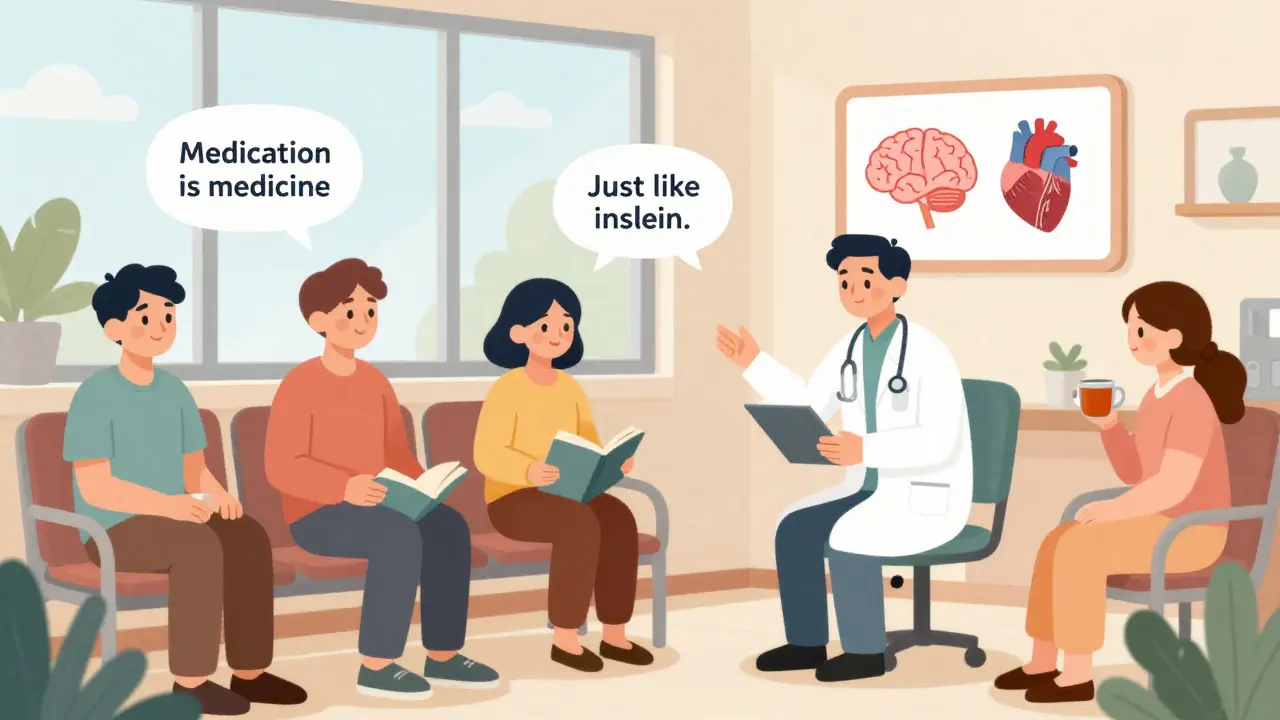
- Normalize it. Say: "Many people take medication for mental health - just like people take medication for high blood pressure or thyroid issues." This simple comparison helps patients see treatment as medical, not moral.
- Use the right words. Replace "drugs" with "medication." Say "brain chemistry" instead of "mind-altering." Language shapes perception, and research shows changing your vocabulary reduces patient shame by 27%.
- Ask open questions. Try: "How do you feel about taking medication for your condition?" and "What concerns do you have?" This opens space for honest dialogue instead of assumptions.
A 2023 study in General Hospital Psychiatry found that using this "Two-Question Approach" led to 33% higher medication adherence. Patients felt heard. They didn’t feel judged. And that made all the difference.
Education That Actually Works
Telling someone "medication isn’t a crutch" doesn’t change minds. But showing them data does. A 2021 meta-analysis found that educational interventions that clearly explain how medications work reduce stigma-related beliefs by 34%. The most effective messages? Simple, visual, and personal.For example:
- "70-80% of people with moderate to severe depression need medication + therapy to feel better."
- "Antidepressants help balance chemicals in the brain - just like insulin helps balance sugar."
- "People on psychiatric medication are no more likely to be violent than anyone else."
These aren’t abstract facts. They’re corrections to myths that have been repeated for decades. And when people hear them in a calm, factual way - especially from someone they trust - the stigma starts to crack.
Personal Stories Change More Than Statistics
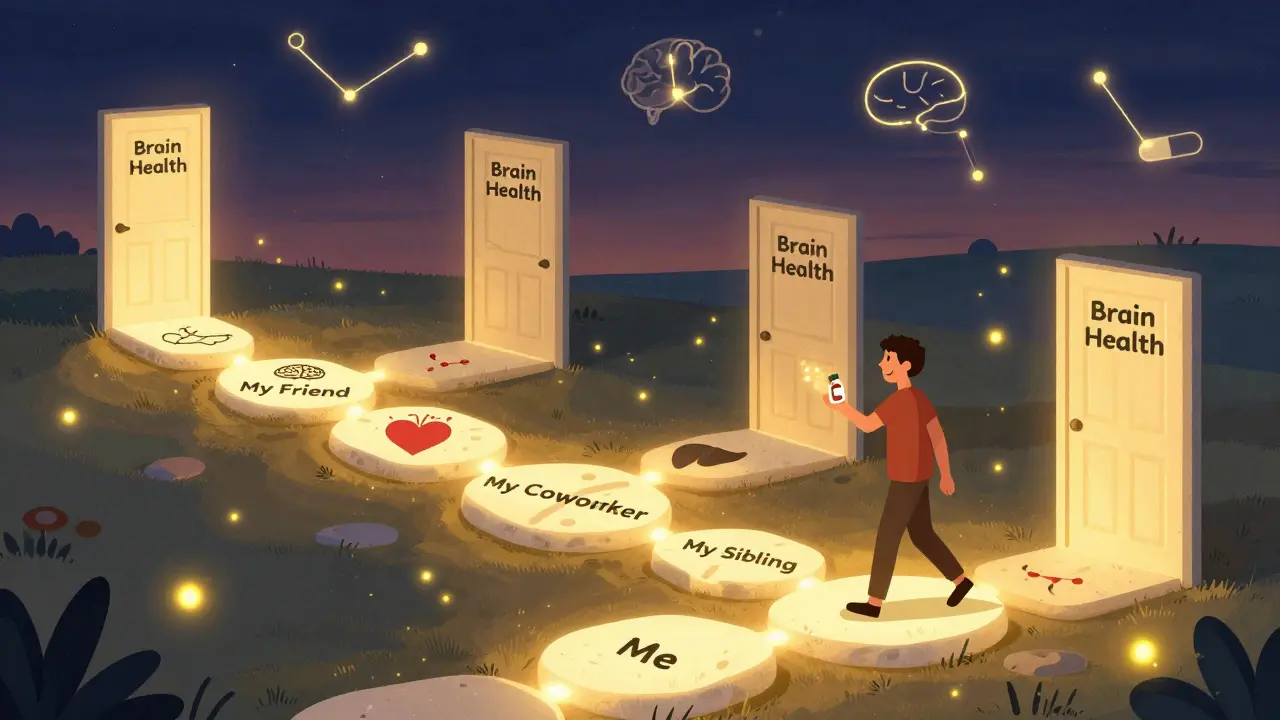
Numbers tell you what’s true. Stories make you feel it.A 2023 study with 700 college students found that after hearing real stories from peers who take medication for anxiety or depression, 22% more students said they’d be open to using medication themselves. Why? Because personal experience humanizes what feels abstract. It turns "someone else" into "my friend," "my coworker," "my sibling."
On Reddit’s r/mentalhealth, a thread titled "How I talk about my medication without shame" got over 1,200 upvotes. The top comment? "I say I take medication for my brain health, just like others take it for their heart." That line went viral because it’s simple, relatable, and cuts through the noise.
Even public figures matter. YouTube creator John Green, who’s talked openly about his SSRI use since 2017, surveyed his 2.4 million subscribers. Sixty-eight percent said watching his videos helped reduce their own stigma around medication. He didn’t give a lecture. He just shared his truth.
Cultural Barriers and Language
Stigma doesn’t affect everyone the same. In Asian American communities, 47% lower antidepressant adherence is linked to cultural beliefs that mental health issues should be handled privately - or not at all. In some cultures, taking medication is seen as admitting failure, not seeking help.This isn’t about blaming culture. It’s about meeting people where they are. Providers who complete 8+ hours of cultural competency training reduce medication stigma by 29%. Why? Because they learn to ask: "What does treatment mean to you?" instead of assuming what’s "right."
And language matters here, too. In some languages, there’s no direct translation for "mental health." But there is for "medicine for the mind." That’s where you start. You don’t force Western terms. You find the bridge.
What Doesn’t Work - And Why
Not every effort to fight stigma helps. In fact, some backfire.One study tried to build empathy by simulating hallucinations for medical students. Instead of reducing stigma, it increased it by 15%. Why? Because without context, it felt like fearmongering. You can’t make people understand mental illness by scaring them.
Similarly, telling someone "You’re not weak for taking medication" can feel dismissive. It implies weakness was the problem to begin with. Better to say: "Taking medication is a smart, medical choice - just like going to physical therapy or seeing a cardiologist."
And don’t assume telehealth fixes everything. A 2023 study found that 41% of patients feel less comfortable discussing medication use over video calls. The screen creates distance. That’s why follow-up phone calls or in-person check-ins matter - even if they’re brief.
What’s Working Right Now
Change is happening - and it’s practical.- The CDC’s "Medications as Medicine" campaign reframes psychiatric drugs as part of chronic disease management. In pilot communities, positive attitudes rose by 21%.
- Samhsa’s "Medication Conversation Starter" app has been downloaded over 150,000 times. It gives people scripted responses to common stigmatizing comments - like "It’s just a pill," or "You don’t need that."
- Peer support specialists - people who’ve taken medication themselves - are now part of treatment teams. Programs using them see 28% higher long-term adherence.
- By 2026, 65% of antidepressant prescriptions are expected to come from primary care doctors - not psychiatrists. That’s huge. When your GP prescribes your medication, it stops feeling "special" and starts feeling normal.
The future isn’t about changing minds overnight. It’s about changing the environment. When medication is talked about in the same room as blood pressure pills, when it’s written about in the same way as diabetes care, when it’s normalized in clinics, schools, and workplaces - stigma fades.
What You Can Do Today
You don’t need to be a doctor or a policymaker to make a difference. Here’s how to start:- When someone says "I’m on meds," respond with "That’s great. What does it help with?" instead of assuming.
- If you take medication yourself, say it plainly: "I take medication for my anxiety. It helps me function better." You’re not sharing too much - you’re modeling courage.
- Use "medication," not "pills" or "drugs." It’s a small shift, but it matters.
- Ask your provider: "Do you have resources to help me talk about my treatment without shame?"
- Share a simple post: "Mental health medication isn’t weakness. It’s medicine."
Stigma doesn’t vanish because we wish it away. It fades when we talk - clearly, calmly, and consistently - about what’s real. And what’s real is this: millions of people take medication for their mental health. Not because they’re broken. Because they’re healing.
Why do some people feel ashamed about taking mental health medication?
Many people feel ashamed because of long-standing myths that mental health medications are "drugs," "crutches," or signs of weakness. These beliefs are often fueled by media portrayals, cultural stigma, and even well-meaning but inaccurate language. Research shows that 37% of patients avoid taking medication due to shame, and 45% feel embarrassed about it. The stigma is worsened when people confuse psychiatric medications with recreational drugs, even though these medications are FDA-approved and work like insulin or blood pressure pills - by restoring balance in the body.
Can talking about your medication reduce stigma?
Yes - and research backs this up. A 2023 study found that when people shared personal stories about taking medication, 22% more people said they’d consider using it themselves. On social media, users who said things like "I take medication for my brain health, just like others take it for their heart" saw 60% fewer negative reactions. Normalizing the conversation helps others realize they’re not alone, and it challenges the idea that mental health treatment is unusual or shameful.
Is it better to take mental health medication than not to?
For many people, yes. Studies show that 40-60% of those with moderate to severe depression respond well to medication, and 70-80% need it along with therapy for the best results. Skipping medication because of stigma can lead to worsening symptoms, job loss, or hospitalization. Mental health medications are not addictive in the way recreational drugs are, and they don’t change your personality - they help your brain function as it should. Choosing treatment is no different than choosing insulin for diabetes or a beta-blocker for heart disease.
What should healthcare providers avoid saying?
Providers should avoid phrases like "You’re not weak for taking this," "You’ll get used to it," or "It’s just a pill." These minimize the person’s experience. Instead, use neutral, factual language: "This helps balance brain chemistry," "Many people use this to manage symptoms," or "Let’s talk about what concerns you." The goal isn’t to convince - it’s to listen and educate. A 2022 study found that changing language alone reduced patient shame by 27%.
How can workplaces reduce stigma around mental health medication?
Workplaces can reduce stigma by treating mental health the same as physical health in policies and conversations. Offer mental health benefits without stigma, train managers to respond supportively, and share stories (with consent) from employees who take medication. One survey found that 43% of people experienced workplace discrimination after disclosing medication use - including being passed over for promotions. Normalizing the conversation, offering quiet support, and ensuring confidentiality go a long way toward creating a safer environment.


phyllis bourassa
March 7, 2026 AT 03:52I’ve seen so many people say "it’s just a pill" like it’s candy. Ugh. I take medication for anxiety, and yeah, it’s a pill-but it’s the difference between crying in the shower and actually showing up for my kid’s recital. Stop minimizing it. It’s not a crutch. It’s a lifeline. 🙃
Ferdinand Aton
March 7, 2026 AT 16:27Wait, so now we’re saying antidepressants are like insulin? Cool. But if I’m not diabetic, why do I need insulin? Just saying… maybe some folks just need to chill out and stop over-medicalizing life?
William Minks
March 8, 2026 AT 11:22Bro, I used to think meds were for "weak" people. Then I started taking them. Now I’m running marathons. My brain finally stopped screaming. 🤝❤️
Jeff Mirisola
March 9, 2026 AT 19:42You know what’s worse than stigma? The silence. The people who nod and say "I get it" but never ask how you’re really doing. I’ve been on meds for 8 years. I’m not broken. I’m just… managed. And I’m proud of that.
My boss doesn’t know. My coworkers don’t know. But I’m done hiding. If I can help one person feel less alone, it’s worth it.
Susan Purney Mark
March 11, 2026 AT 00:49This is so important. I’m a therapist, and I’ve seen clients quit meds because they felt ashamed. One told me, "My mom says if I’m really strong, I won’t need pills." I told her: "Your mom loves you. But she’s wrong. Strength is asking for help. Not ignoring pain."
It’s not weakness. It’s wisdom.
Ian Kiplagat
March 12, 2026 AT 08:58Medication isn’t the answer for everyone. But it’s a tool. Like a cane. Or glasses. No shame in using tools.
Amina Aminkhuslen
March 13, 2026 AT 08:07Oh honey, you think stigma’s bad? Try being a Black woman in the South who takes SSRIs. "Oh, you ain’t depressed-you just ain’t prayin’ enough." Or "You on them pills? Bet you got a man problem." I’ve had my grandma threaten to "pray the devil out of me."
So yeah. I say "brain health meds." And I smile. And I keep taking them.
amber carrillo
March 14, 2026 AT 02:31Aaron Pace
March 14, 2026 AT 18:36Wait, so if I take a pill for anxiety, does that mean I’m not allowed to be sad anymore? Like, what if I just need to cry? Are we saying meds erase emotions? 😐
Joey Pearson
March 16, 2026 AT 16:30My sister took meds for 3 months. She said it felt like someone turned down the volume on her panic. Not gone. Just… quieter. She’s still the same person. Just… more of herself. 💪
Roland Silber
March 17, 2026 AT 09:02Let’s talk about the science. SSRIs don’t "make you happy." They help regulate serotonin so your brain can respond to positive stimuli again. It’s like fixing a broken thermostat. You still need sunlight, warmth, connection-but now your system can process it. That’s biology. Not magic. Not weakness.
And yes, 40-60% respond. That’s not a guarantee. But it’s a chance. And hope is a powerful thing.
Patrick Jackson
March 17, 2026 AT 12:58Imagine your mind is a garden. Trauma, stress, neglect-it all turns the soil toxic. Therapy? That’s weeding. Medication? That’s fertilizing. You don’t need to choose one. You need both. And nobody should shame you for using fertilizer. 🌱
Also, I’ve been on meds for 12 years. I’ve had three kids. I’ve written two books. I’m not numb. I’m alive. And I’m grateful.
Pranay Roy
March 18, 2026 AT 18:04Wake up. Big Pharma is selling you this. They made up "mental illness" to sell pills. You think depression is a chemical imbalance? That’s a myth created by drug companies. Real healing comes from fasting, prayer, and sunlight. Not chemicals.
My cousin took antidepressants for 5 years. Now he’s on disability. Coincidence? I think not.
Joe Prism
March 19, 2026 AT 14:54Stigma fades when we normalize. I say "I take medication for my brain" the same way I say "I take a daily vitamin." No one bats an eye at vitamin D. Why is brain health different?
It’s not. We just haven’t caught up.