
12
Feb

For decades, obesity was seen as a simple matter of eating too much and moving too little. If you just had more willpower, the thinking went, you could lose the weight. But that view is outdated - and dangerous. Today, obesity is officially recognized as a chronic disease, not a lifestyle choice. It’s not about laziness. It’s about biology. And understanding that changes everything about how we treat it.
Why Obesity Is a Disease, Not a Choice
In 2013, the American Medical Association made a landmark decision: it classified obesity as a disease. This wasn’t just semantics. It meant doctors could no longer blame patients for failing to "just eat less." Instead, they had to treat it like hypertension or diabetes - with medical protocols, ongoing care, and compassion. The World Health Organization defines obesity as a BMI of 30 or higher. But BMI alone tells only part of the story. Two people with the same BMI can have wildly different health risks. One might have fat stored safely under the skin; the other might have fat clogging their liver, heart, and muscles. That’s where metabolic health comes in. Obesity triggers changes deep inside the body. Fat tissue stops being just storage - it becomes active, inflamed, and hormonally disruptive. In people with obesity, levels of C-reactive protein, a marker of inflammation, are often 2 to 3 times higher than in those with healthy weight. This chronic inflammation drives insulin resistance, raises blood pressure, and damages blood vessels. It’s no surprise then that obesity increases the risk of type 2 diabetes by 3 times, heart disease by 2.5 times, and at least 13 types of cancer. Genetics play a huge role too. Twin studies show 40% to 70% of obesity risk comes from genes. Over 250 genetic variants have been linked to body weight. Some people have mutations in the MC4R gene - present in 2% to 5% of those with severe obesity - that make them feel hungrier and burn fewer calories. This isn’t weakness. It’s biology.The Vicious Cycle of Weight Gain
Obesity doesn’t just happen. It feeds itself. Once you start gaining weight, your body starts working against you. Move less. Every extra pound of fat makes movement harder. Studies show moderate obesity reduces daily energy expenditure by 15% to 20%. That means a person who used to burn 2,000 calories a day might now burn only 1,700 - even if they do the exact same activities. Sleep suffers. People with obesity sleep 30 to 45 minutes less on average than those at a healthy weight. Less sleep means higher ghrelin (the hunger hormone) and lower leptin (the fullness hormone). One study found sleep deprivation increased ghrelin by 15% and dropped leptin by 18%. Suddenly, you’re hungrier, even if you’re eating enough. Stress piles on. The shame, the stigma, the constant judgment - all of it spikes cortisol. That hormone doesn’t just make you feel awful. It also drives fat storage, especially around the belly. And belly fat is the most dangerous kind. This creates a loop: weight gain → less movement → worse sleep → more stress → more hunger → more weight gain. Breaking out of this loop isn’t about willpower. It’s about interrupting the biology.What Actually Works: Beyond Diet and Exercise
Most weight loss programs fail. Research shows 90% of people who lose weight through dieting alone regain most of it within five years. Why? Because your body fights back. When you lose weight, your metabolism slows. Your hunger hormones surge. Your brain thinks you’re starving. Real progress comes from treating obesity like any other chronic illness - with long-term, multi-pronged care. Medical nutrition therapy isn’t just counting calories. It’s working with a registered dietitian who understands metabolic health. These specialists know how to balance protein, fiber, and healthy fats to stabilize blood sugar and reduce cravings. There are only about 1,200 certified obesity dietitians in the U.S. - a sign of how under-resourced this field still is. Physical activity matters, but not in the way you think. You don’t need to run marathons. Just 150 minutes a week of moderate exercise - like brisk walking - improves insulin sensitivity, reduces inflammation, and lifts mood. Movement isn’t about burning calories. It’s about signaling your body to heal. Behavioral counseling is critical. Studies show each additional hour of counseling leads to an extra 0.23% weight loss. That means 14 hours over six months can mean losing 5% to 10% of your body weight - a number linked to major health improvements. Counseling helps people manage emotional eating, build self-compassion, and set realistic goals.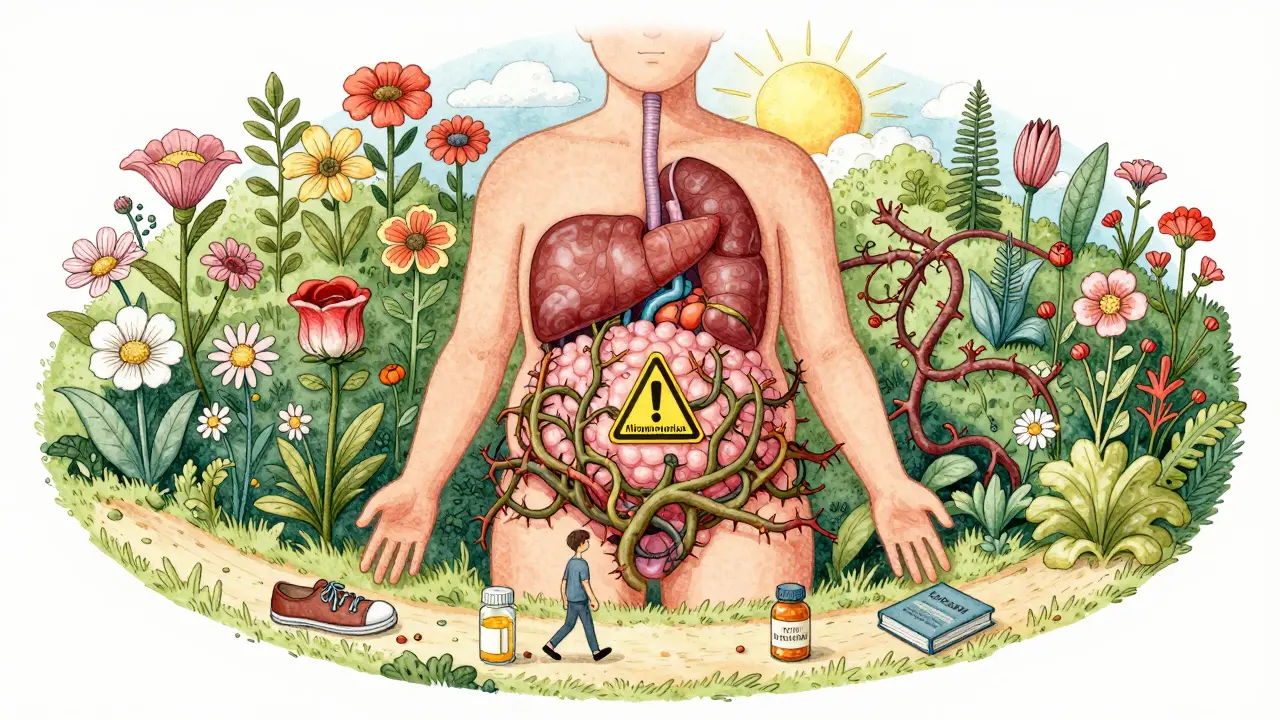
The Rise of Medications That Work
For years, obesity medications were either ineffective or unsafe. Then came GLP-1 receptor agonists. Drugs like semaglutide (Wegovy) and tirzepatide (Zepbound) mimic gut hormones that tell your brain you’re full. In clinical trials, people lost 15% to 20% of their body weight over a year. That’s not just a number - it’s life-changing. One study found users reduced their risk of heart attack, stroke, or death by 20%. But it’s not perfect. About 65% of users report nausea, vomiting, or diarrhea - especially at first. These side effects usually fade. Still, they’re real. And they’re why these drugs aren’t magic bullets. Newer drugs are even more powerful. Retatrutide, approved in 2023, is a triple agonist that targets three appetite-regulating pathways. In trials, it led to an average 24.2% weight loss in just 48 weeks. That’s more than most bariatric surgeries achieve. The problem? Cost. Without insurance, semaglutide can cost over $1,400 a month. Even with coverage, many insurers still require prior authorization - and 37 U.S. states still make that process unnecessarily hard.Bariatric Surgery: Not a Last Resort, But a Tool
Surgery is often seen as extreme. But for people with severe obesity and metabolic disease, it’s one of the most effective treatments we have. Procedures like gastric bypass and sleeve gastrectomy don’t just limit food intake. They change gut hormones, improve insulin sensitivity, and reduce inflammation. Studies show 70% to 80% of patients see type 2 diabetes go into remission after surgery. But it’s not simple. About 41% of patients develop vitamin deficiencies. 29% deal with dumping syndrome - where food moves too fast through the gut, causing nausea and dizziness. And 37% say they didn’t get enough long-term support after surgery. Success depends on lifelong follow-up. You need regular blood tests, nutritional coaching, and mental health support. Without it, the benefits fade.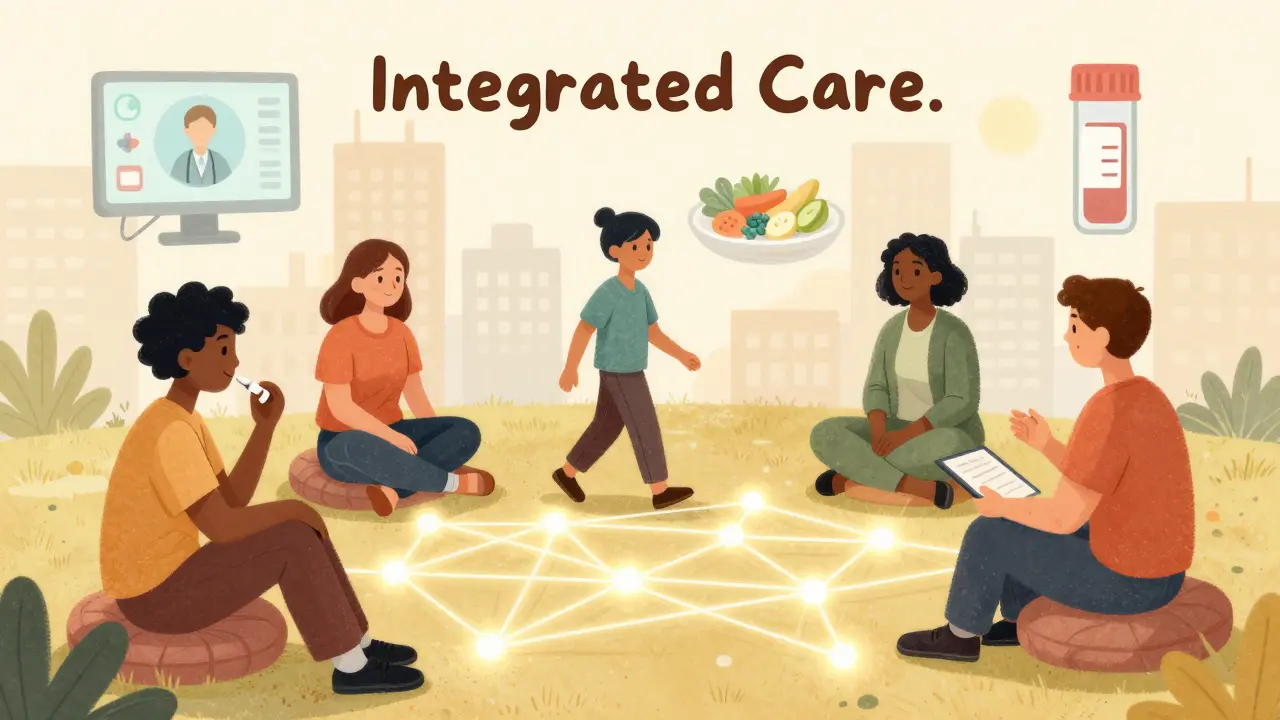
The Hidden Barriers: Bias, Access, and System Failure
Even with all the science, most people with obesity never get proper care. A 2022 survey found 67% of people with obesity experienced weight bias from doctors. Some were denied knee replacements. Others were told to lose weight before getting cancer screenings. One woman in a 2023 study was told her back pain was "just from being fat" - when it turned out she had a herniated disc. Access is another problem. There aren’t enough specialists. The U.S. needs 35,000 more obesity medicine providers to meet demand. Most medical schools still don’t require a single course on obesity. Insurance coverage is patchy. And in rural areas, there may be no provider within 100 miles. The result? Only 7% of eligible adults in the U.S. get guideline-recommended treatment. That’s not a failure of patients. It’s a failure of the system.What Real Progress Looks Like
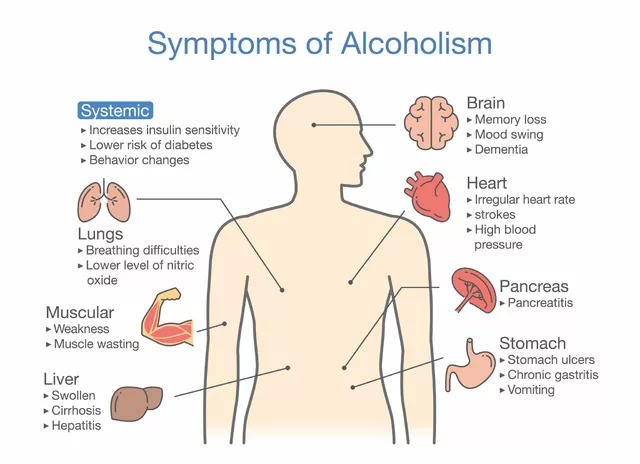
The people who beat obesity aren’t the ones who went on a 30-day cleanse. They’re the ones who got support. A 2021 Mayo Clinic study found the most successful outcomes came from combining four things: medical nutrition therapy, 150 minutes of weekly exercise, 12+ sessions of behavioral counseling, and medication when needed. It’s not glamorous. It’s not quick. But it works. The future of obesity care lies in integrated models - digital tools for daily tracking, telehealth coaching, community support, and access to medications. McKinsey projects that if we build these systems, we could save $190 billion in U.S. healthcare costs by 2030. But none of it matters if we keep treating obesity like a moral failing. It’s not. It’s a complex, chronic disease - with genetic roots, hormonal drivers, and environmental triggers. And like all chronic diseases, it needs ongoing care, not blame.What You Can Do Right Now
If you or someone you know is struggling with weight and health:- Stop blaming yourself. This isn’t about willpower.
- Ask your doctor about metabolic health - not just BMI. Request tests for insulin, inflammation, and liver function.
- Look for a provider trained in obesity medicine. The Obesity Medicine Association has a directory.
- Explore whether medication is an option. GLP-1 agonists aren’t for everyone, but they’ve changed lives.
- Move, even a little. A daily 20-minute walk does more than you think.
- Find support. Whether it’s a counselor, a support group, or an online community - you don’t have to do this alone.



Suzette Smith
February 12, 2026 AT 17:42Okay but have you ever tried to lose weight while working two jobs and raising kids? It’s not about willpower-it’s about time, money, and access. I lost 60 lbs on a budget with canned beans, frozen veggies, and 20-minute home workouts. No fancy meds, no surgery. Just consistency. And yeah, my body still fights me. But I’m alive and pain-free. That’s the win.
Stop acting like obesity is some new scientific mystery. People have been fighting this for decades. We just need better support-not more jargon.
Autumn Frankart
February 12, 2026 AT 19:44Let me guess-Big Pharma wrote this article. GLP-1 drugs? 24% weight loss? Sounds like a marketing pitch wrapped in science. Did you know the FDA approved these after a 12-week trial with 300 people? Where’s the 10-year data? Where’s the independent replication? And why are they $1400/month when the active ingredient costs $3? This isn’t medicine-it’s a monopoly.
Also, why is BMI still used? I’ve seen doctors refuse care to women with BMIs under 30 who are perfectly healthy. Meanwhile, my cousin who’s ‘skinny fat’ with a BMI of 24 has liver damage. The whole system is broken. And yes, I’ve read the studies. They’re funded by the same companies selling the drugs.
Sophia Nelson
February 13, 2026 AT 11:44Ugh. Another ‘obesity is a disease’ think piece. You’re not a patient. You’re a person who made bad choices. And now you want the government to pay for your solution? I’ve been working out since I was 16. No meds. No surgery. Just discipline. You think I’m mean? You think I’m harsh? I’m just tired of people treating weakness like a medical condition.
Also-why is everyone ignoring that 80% of obese people in the U.S. live in food deserts? It’s not biology. It’s policy. Stop pretending your genetics are the problem. Your zip code is.
steve sunio
February 14, 2026 AT 21:48lol. this whole post is like a pharmaceutical ad with footnotes. 24% weight loss?? with retatrutide?? bro. that’s not medicine. that’s chemical suppression. your body isn’t ‘broken’-it’s adapting. evolution didn’t make us store fat for fun. it’s survival. now we’re turning survival into a disease so we can sell pills to people who can’t afford groceries.
also. why is every study funded by the same 3 companies? why are doctors pushing drugs before they even ask if you eat vegetables? i’m not saying it’s all bad. but the whole system is rigged. and i’m not buying it.
Neha Motiwala
February 15, 2026 AT 06:50Wait. Let me get this straight. You’re telling me that after centuries of human evolution, where storing fat meant survival during famine, we now have a system that says ‘oh, your body is malfunctioning because you have extra weight’-and the solution is a $1,400 monthly injection? That’s not science. That’s capitalism. And the fact that 37 states make insurance approval harder? That’s not healthcare. That’s punishment.
My aunt had bariatric surgery. She lost 120 lbs. Then she developed severe vitamin deficiencies. No one warned her. No one followed up. Now she’s on 14 supplements a day and still can’t walk without pain. This isn’t a cure. It’s a transaction.
athmaja biju
February 16, 2026 AT 23:53As someone from India, I find this discussion oddly Western. In my country, obesity is still seen as a sign of prosperity. But now with urbanization and processed food, we’re seeing a silent epidemic. Yet, our healthcare system doesn’t even recognize obesity as a disease. No insurance covers it. No doctors are trained. We have 12 obesity specialists for 1.4 billion people.
And yet, people here still think it’s about ‘eating too much rice.’ No. It’s about access to clean water, stress from overwork, lack of green spaces, and the collapse of traditional diets. This isn’t just a medical issue. It’s a cultural one. And we’re not ready.
Robert Petersen
February 17, 2026 AT 13:14This post gave me chills. I’ve been on this journey for 8 years. I didn’t lose weight because I ‘wanted it more.’ I lost it because I found a doctor who listened. Who didn’t judge. Who said, ‘Let’s check your insulin, your thyroid, your sleep apnea.’
It took three years of therapy, two different medications, and a walking routine that started at 10 minutes a day. I still have bad days. I still crave sugar. But now I know: this isn’t weakness. It’s biology. And I’m not alone.
If you’re reading this and you’re struggling-you’re not failing. You’re fighting. Keep going. One step. One day. One meal at a time.
Gloria Ricky
February 18, 2026 AT 17:27just wanted to say i saw this post and cried a little. i’ve been told i’m lazy, ugly, and unlovable because of my weight. i didn’t know i had inflammation until my doctor finally ordered a CRP test. turned out it was off the charts. now i’m on semaglutide and it’s not magic-it’s a tool. i still have to move. still have to sleep. still have to cry sometimes. but now i have space to breathe.
thank you for writing this. it’s the first time i’ve felt seen.
Rachidi Toupé GAGNON
February 19, 2026 AT 21:55150 mins of walking a week? Bro, that’s like 20 minutes a day. I do that while listening to podcasts. No gym. No tracker. Just boots and a path. And yeah, it’s not about calories burned. It’s about saying ‘my body deserves to move.’
Also-meds aren’t cheating. If you had diabetes, you’d take insulin. Why is obesity any different? Stop moralizing health. We’re not here to look good. We’re here to live.
christian jon
February 20, 2026 AT 17:54YOU’RE ALL MISSING THE POINT!!!
This entire narrative is a distraction! The REAL issue? The food industry. The sugar lobby. The corn subsidies. The government pays farmers to grow high-fructose corn syrup-and then turns around and tells obese people to ‘eat better’?!
And don’t get me started on how pharmaceutical companies are using this ‘disease’ label to monopolize treatment while ignoring the root cause: processed food is engineered to be addictive. Not your fault. Not your biology. It’s a corporate conspiracy. And the doctors? They’re paid to push pills. Not to fix the system.
It’s not a disease. It’s a scam. And you’re all part of it.