
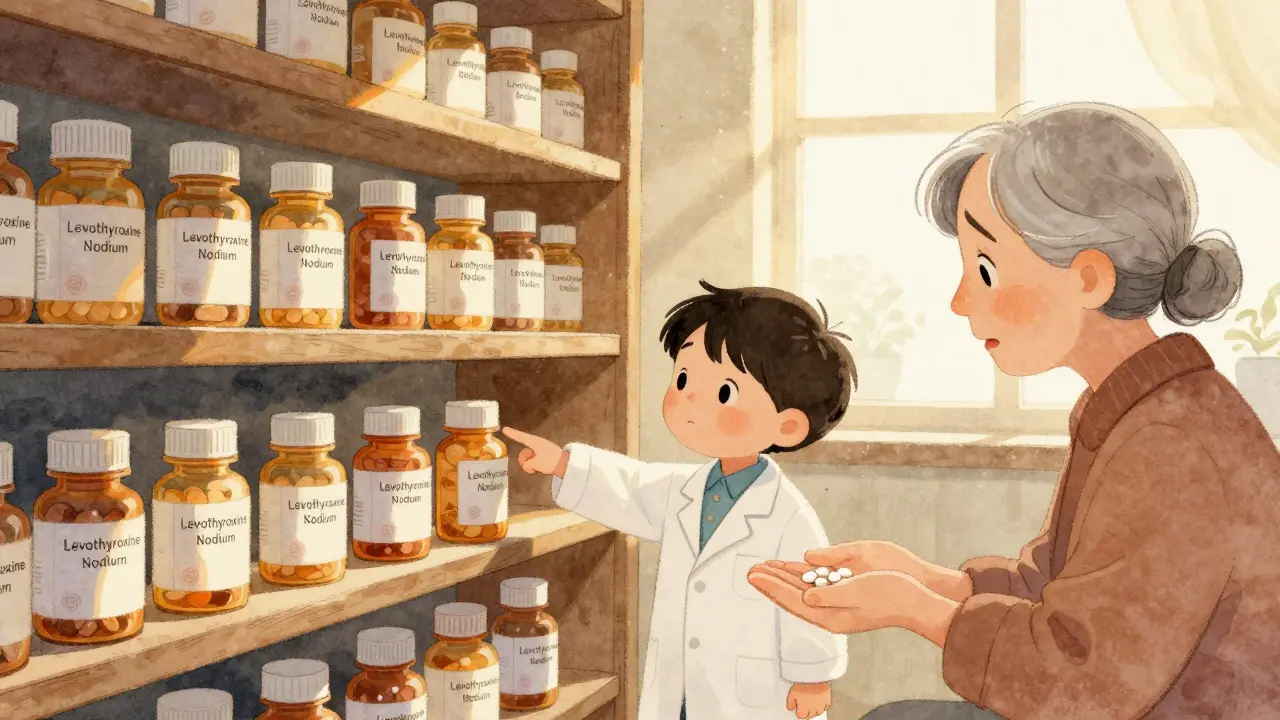
When you pick up a generic pill at the pharmacy, you expect it to work just like the brand-name version. And for most people, it does. But here’s the thing: generic drugs aren’t tested the same way as brand-name drugs before they hit the market. They don’t go through big, long clinical trials. Instead, regulators approve them based on one key fact - they’re bioequivalent. That means they deliver the same amount of active ingredient into your bloodstream at the same rate. Sounds simple. But biology doesn’t always follow simple rules.
Why Post-Market Studies Matter
The FDA approves over 10,000 generic drugs each year. They make up 90% of all prescriptions filled in the U.S. But here’s the gap: pre-approval trials for generics usually involve fewer than 5,000 people. Most are healthy adults. Rare side effects? Undetected. Interactions with other meds? Not fully known. What happens when an older adult with kidney disease, a pregnant woman, or a child takes it for months or years? That’s where post-market studies come in.These aren’t optional. They’re required. After a generic drug is sold to millions, regulators and manufacturers watch for signals that something’s off. A spike in liver enzyme reports. A cluster of dizziness cases. A batch of patches that won’t stick. These aren’t just random complaints - they’re clues. And without ongoing monitoring, dangerous patterns could go unnoticed for years.
How Safety Is Tracked After Approval
The system isn’t perfect, but it’s layered. The FDA uses multiple tools to catch problems:- MedWatch - This is the main channel for doctors, pharmacists, and even patients to report side effects. In 2022, over 1.2 million reports were filed. About 18% involved generic drugs.
- FAERS - The FDA’s Adverse Event Reporting System sorts through those reports using algorithms to spot unusual patterns. If a certain generic version of a blood thinner suddenly shows up in 20% more stroke reports than others, that’s a red flag.
- Sentinel Initiative - This is the real game-changer. It analyzes electronic health records from 300 million patients across hospitals and clinics. It doesn’t wait for someone to file a report. It finds the signal automatically - like a sudden rise in hospital visits for low potassium after switching to a new generic diuretic.
- Patient Registries and Record Linkage - Some high-risk generics, like those for epilepsy or thyroid conditions, are tracked through long-term patient databases. If someone switches from one generic manufacturer to another and starts having seizures, that’s not just bad luck - it’s data.
One study in JAMA Internal Medicine found that 68% of serious adverse events tied to cardiovascular generics weren’t listed on the label when the drug was approved. That’s not a failure of the drug - it’s a failure of the pre-market system. That’s why post-market monitoring isn’t a backup. It’s essential.
Quality Issues That Don’t Show Up in Labs
Bioequivalence means the active ingredient matches. But what about the rest? The fillers. The coating. The way the tablet breaks down in your stomach? Those matter.In 2022, the FDA issued 1,247 recalls of generic drugs. That’s 78% of all drug recalls that year. Why? Not because the active ingredient was wrong. Because:
- A tablet dissolved too slowly - so the drug didn’t get absorbed.
- An injectable solution formed a cloudy precipitate - risking blockages in IV lines.
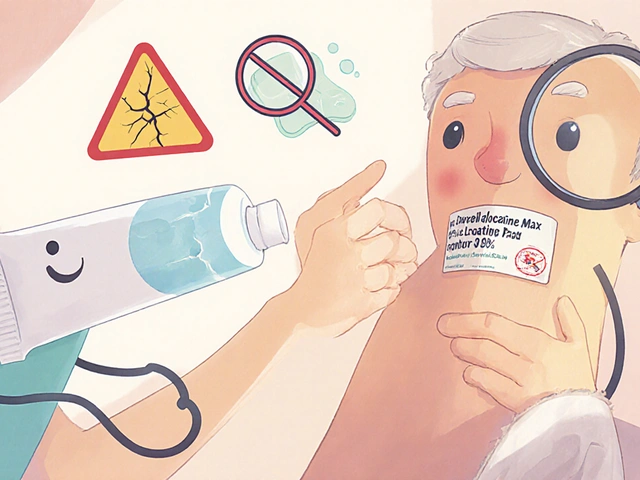
- A transdermal patch lost adhesion after four hours - leaving patients with half the dose.
These aren’t manufacturing accidents. They’re design flaws that only show up when millions of people use the product under real conditions. A lab test might say the drug is fine. But if your patch falls off during a hot shower, it’s not fine.
Who Reports Problems - And Why It’s Hard to Trace Them
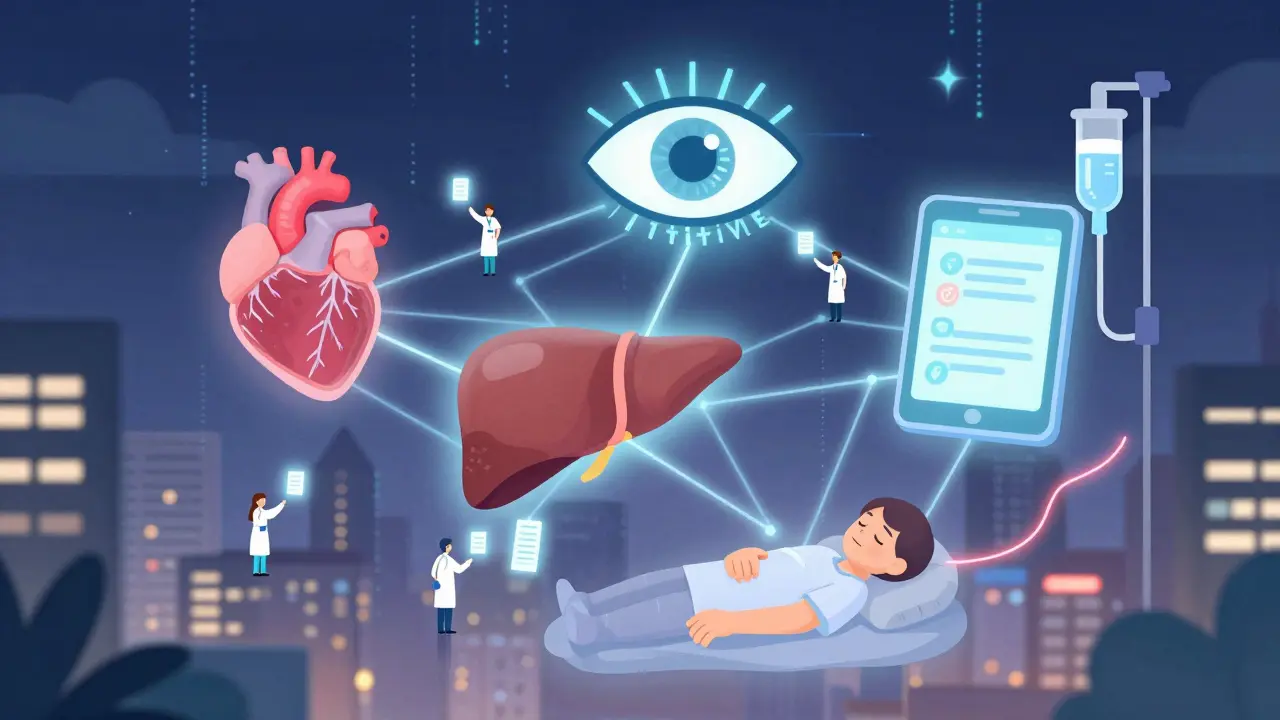
Doctors and pharmacists see the effects. A 2022 survey of 1,500 physicians found that 42% had noticed differences in how patients responded to different generic versions of narrow therapeutic index drugs - like levothyroxine, warfarin, or phenytoin. These are drugs where even a small change in blood level can cause harm.But here’s the catch: most patients don’t know which manufacturer made their pill. The label just says “Levothyroxine Sodium.” So when someone reports palpitations after switching, the FDA doesn’t know if it’s the Teva version, the Mylan version, or the Aurobindo version. In 2022, only 35% of generic adverse event reports included the manufacturer’s name.
That’s a huge blind spot. A pharmacist on Reddit shared a case: three patients developed heart palpitations after switching from one generic levothyroxine to another. All three needed dose adjustments. But because the pharmacy switched suppliers without telling them, no one connected the dots - until the pharmacist started tracking.
Manufacturers Have to Play by the Same Rules
Some people think generic companies cut corners. But the rules are the same. Every manufacturer - big or small - must report serious adverse events within 15 days. They must keep detailed records. They must update labels if new risks emerge. And they must pay for it.The median cost for a generic drug company to run a full pharmacovigilance system? $1.2 million a year. That’s not a marketing expense. It’s compliance. And for small companies, it’s a burden. That’s why many rely on manual reviews. Only 78% of the top 20 generic manufacturers use AI tools to detect signals. For smaller ones, it’s still spreadsheets and phone calls.
What’s Changing - And What’s Coming
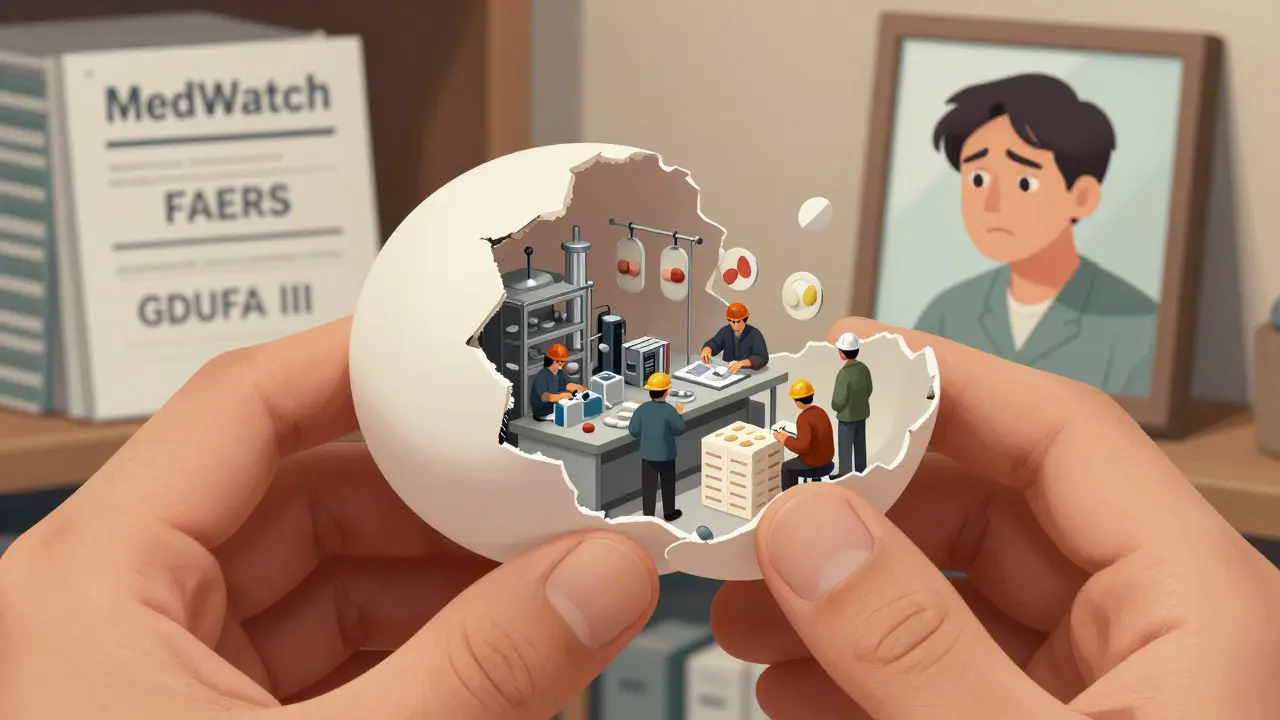
The FDA is stepping up. In 2023, it launched GDUFA III, allocating $15 million specifically for better generic safety monitoring. New tools are being rolled out:- Sentinel Common Data Model Plus - Now includes data on income, housing, and access to care. Why? Because people in low-income areas are more likely to switch generics frequently due to cost. That could affect safety.
- Product-Specific Surveillance Plans - By 2025, the FDA plans to create custom monitoring plans for high-risk generics - like inhalers, injectables, and patches - based on their unique risks.
- Blockchain Pilots - Five major generic companies are testing blockchain to track each batch from factory to pharmacy. If a problem pops up, they’ll know exactly which batch caused it.
But the biggest challenge isn’t technology. It’s culture. Patients and even some doctors still believe generics are “lesser.” That’s not true - most work perfectly. But assuming they’re all identical? That’s dangerous.
What You Can Do
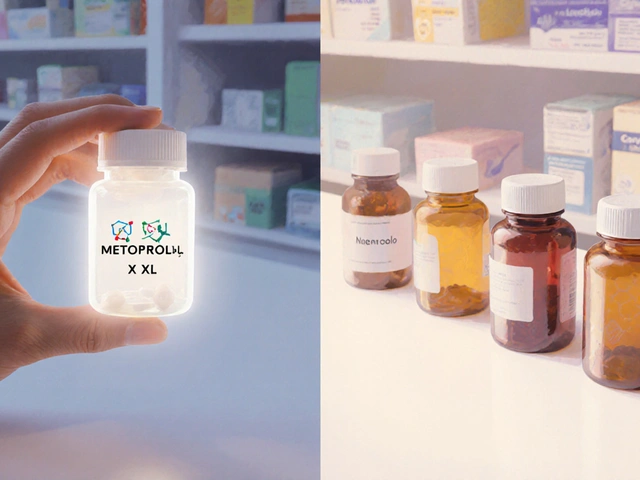
If you take a generic drug - especially one with a narrow therapeutic index - here’s what you should know:- Keep track of which manufacturer makes your pill. The name is often printed on the bottle or pill.
- If you switch brands and feel different - worse side effects, less control of your condition - talk to your doctor. Don’t assume it’s “just in your head.”
- Report unusual symptoms to MedWatch. Even if you’re not sure. Your report could help someone else.
- Ask your pharmacist: “Is this the same manufacturer as last time?” If they say no, ask if it’s the same formulation.
Cost savings are real. Generics saved the U.S. healthcare system $375 billion in 2022. But safety can’t be an afterthought. The system works - but only if people pay attention.
Are generic drugs less safe than brand-name drugs?
No, generic drugs are not inherently less safe. They must meet the same FDA standards for quality, strength, and purity as brand-name drugs. The difference is in the pre-market testing: generics are approved based on bioequivalence, not new clinical trials. That’s why post-market surveillance is critical - to catch rare or long-term issues that weren’t seen in smaller trials.
Why do some people feel different on a different generic version?
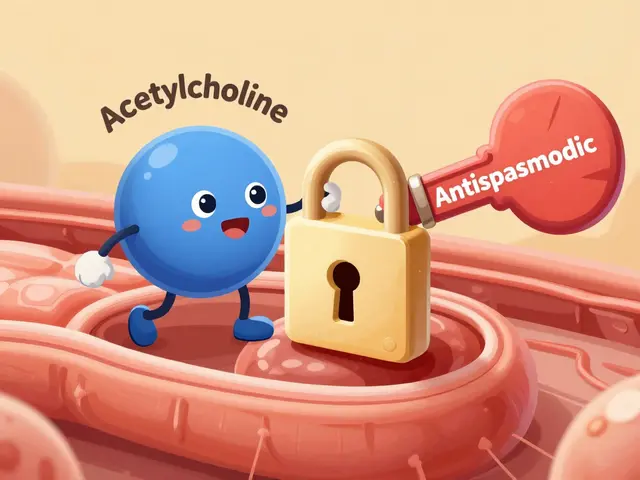
Even though generics contain the same active ingredient, differences in inactive ingredients - like fillers, coatings, or binders - can affect how quickly the drug dissolves or is absorbed. For drugs with a narrow therapeutic index (like levothyroxine or warfarin), even small changes in absorption can cause noticeable side effects or reduced effectiveness. That’s why switching manufacturers can sometimes trigger a reaction.
How does the FDA decide which generics need extra monitoring?
The FDA uses a risk-based approach. Complex products - like inhalers, injectables, patches, and drug-device combinations - get more attention. So do generics with known safety signals, high usage rates, or reports of quality issues. In 2022, 40% of new safety reviews targeted these complex generics.
Can I trust that my generic drug won’t be recalled?
No drug - brand or generic - is immune to recalls. In 2022, 1,247 generic drugs were recalled, mostly due to quality issues like inconsistent dissolution or contamination. The FDA monitors these closely, and recalls are a sign the system is working. If you’re concerned, check the FDA’s recall page or ask your pharmacist if your medication is affected.
What should I do if I think my generic drug is causing side effects?
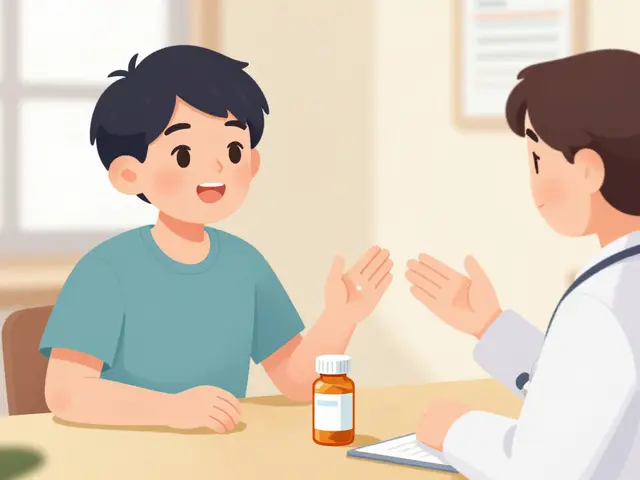
First, don’t stop taking it without talking to your doctor. Then, write down what happened - when it started, what you were taking, and how you felt. Report it to your doctor and to the FDA’s MedWatch system. Even if you’re unsure, your report helps identify patterns. If you know the manufacturer name, include it - that helps the FDA trace the issue.

Catherine Scutt
January 9, 2026 AT 01:02Ugh, I swear my pharmacy switches generics every other refill and I’m tired of playing Russian roulette with my thyroid meds. Last time I got a different batch, I felt like I was being slowly drained of energy. Took me three months to figure out it wasn’t ‘stress’-it was the filler. Now I write the manufacturer name on the bottle. Don’t let them fool you into thinking all generics are the same.
Darren McGuff
January 9, 2026 AT 23:09Oh my god, I just realized I’ve been taking the same generic levothyroxine for six years and never once checked the manufacturer. I’m not even kidding-I thought it was like buying toilet paper. Turns out, it’s more like buying a custom-tailored suit. One brand fits, another makes you itch and feel like you’re floating. I’m gonna start keeping a little journal now. This post just saved me from a medical nightmare.
Aron Veldhuizen
January 11, 2026 AT 02:45Let’s be brutally honest: the FDA doesn’t ‘monitor’ anything-they react. And they only react when the body count climbs or a journalist digs up a whistleblower. The entire post-market system is a glorified triage operation. We’re not ‘tracking’ safety-we’re cleaning up the mess after it’s already poisoned thousands. Bioequivalence is a mathematical fiction. Biology doesn’t care about your lab curves. It cares about your gut, your liver, your sleep cycle. And no algorithm can predict how your grandmother’s kidneys will handle a new batch of filler in 2025. We’ve built a system that treats human bodies like interchangeable widgets. That’s not science. That’s capitalism with a stethoscope.
Jeffrey Hu
January 12, 2026 AT 10:47Actually, the 1,247 generic recalls in 2022? That’s 78% of all recalls, but total drug recalls were 1,597. So generics made up 78% of 1,597, which is correct. But people forget that generics account for 90% of prescriptions. So per-prescription, brand-name drugs are actually recalled more often. The issue isn’t quality-it’s scale. More units sold = more chances for a defect to surface. Also, the FDA’s Sentinel Initiative uses EHRs from 300M patients, which is 90% of the U.S. population. That’s not ‘game-changing’-it’s basic surveillance. We’ve had this tech since 2008. What’s new is the funding. And yes, blockchain pilots are real-Pfizer and Teva are testing them with batch-level QR codes on blister packs. You can scan yours with your phone. Try it next time.
Drew Pearlman
January 13, 2026 AT 09:04I just want to say-this is one of the most important things I’ve read all year. I used to think generics were just cheaper versions of the same thing. Now I get it: they’re the same active ingredient, but the rest? The coating, the binder, the way it dissolves? That’s like saying all cars have engines, so a Tesla and a Yugo are the same. Nope. And if you’re on warfarin or levothyroxine? That difference? It’s life or death. I’m telling my mom to write the manufacturer on her pill bottle. I’m telling my coworkers. I’m telling my barista. We all need to be little watchdogs. This isn’t fear-mongering-it’s empowerment. Thank you for writing this. Seriously.
Chris Kauwe
January 15, 2026 AT 06:30Let’s cut through the woke pharma propaganda. The U.S. spends more on healthcare than any country on Earth-yet we’re told to trust generics because they’re ‘cost-effective.’ Meanwhile, India and China churn out pills in factories with less regulation than your local nail salon. The FDA’s ‘monitoring’ is a joke. They inspect 1% of foreign plants. That’s not oversight-that’s negligence. And don’t get me started on how the ‘Sentinel Initiative’ is just a data grab by Big Tech partners who sell your health info. This isn’t about safety. It’s about control. We’re being sold a lie wrapped in a lab coat. Real Americans should demand domestically manufactured generics-or go brand name. No compromises.
RAJAT KD
January 17, 2026 AT 04:22My aunt switched generics and had a seizure. Same dose. Same drug. Different manufacturer. She’s fine now. But the system didn’t catch it. She didn’t know who made it. No one asked. This isn’t theory. It’s real. Report everything. Even if you think it’s nothing.
Phil Kemling
January 18, 2026 AT 23:16There’s a quiet existential tension here. We’ve outsourced our health to a system that treats biology like a spreadsheet. We accept bioequivalence because we’re told it’s ‘scientific.’ But science is the process of questioning. And if we stop questioning whether ‘the same amount in the bloodstream’ equals ‘the same effect in the body,’ then we’ve surrendered to mechanistic thinking. The body isn’t a pipe. It’s a symphony. A tiny change in the tempo of absorption-caused by a different starch-can throw off the entire harmony. Maybe the real danger isn’t the drug. It’s our belief that we can reduce life to a number.
Diana Stoyanova
January 20, 2026 AT 11:30Okay, I just read this whole thing and I’m so fired up. I used to be one of those people who just grabbed whatever was cheapest at the pharmacy. But now? I’m a total pill detective. I take a photo of the label every time I refill. I ask my pharmacist if it’s the same as last time. I told my mom to do the same with her blood pressure med. And guess what? Last month, we caught a switch that made her dizzy. We called her doctor, they switched back, and boom-she’s back to normal. This isn’t just about safety-it’s about taking back control. We’re not passive patients. We’re the frontline. And if we all pay attention? The system HAS to listen. So go check your bottle right now. You’ve got this. 💪