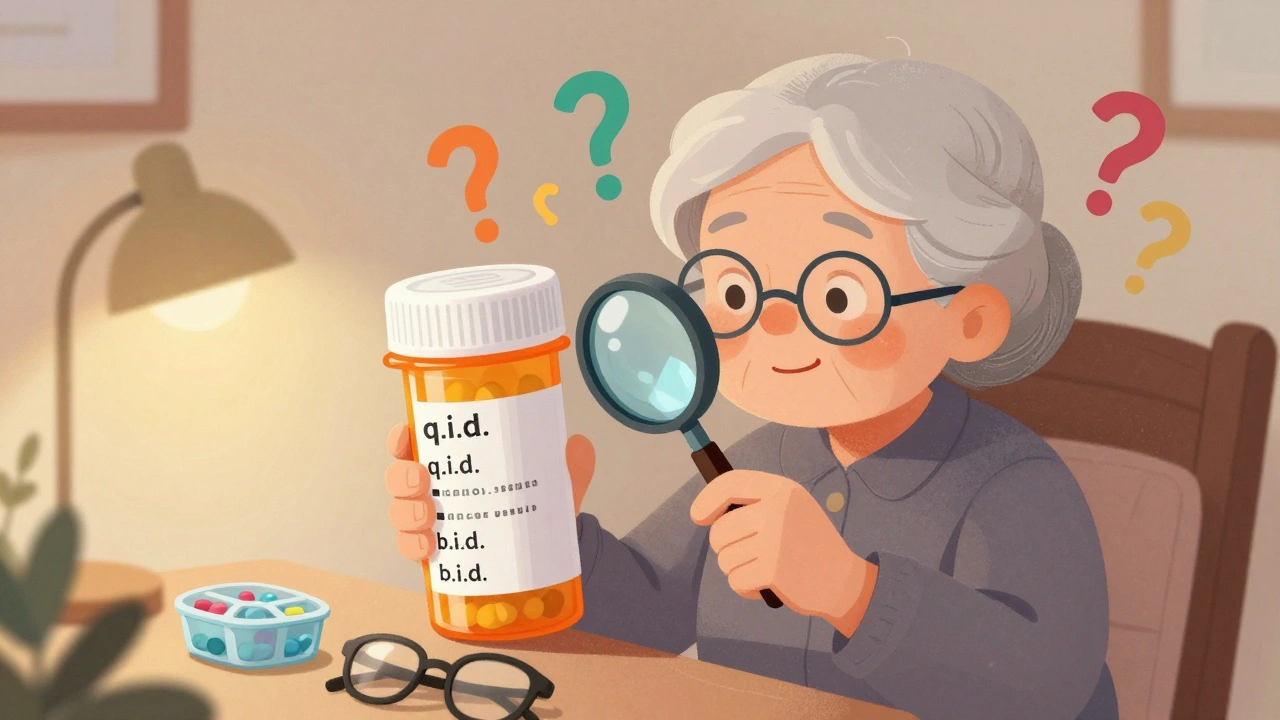
Drug Labels: What You Need to Know About Prescription Safety and Instructions
When you pick up a prescription, the drug label, the official printed information on a medication container that includes dosage, warnings, and usage instructions. Also known as medication label, it's not just a formality—it's your first line of defense against overdose, side effects, and dangerous interactions. Most people glance at the name and dose, then stash the bottle away. But the real risks hide in the details: the difference between extended-release, a formulation designed to release medication slowly over hours to maintain steady levels in the body and immediate-release, whether you’re supposed to take it with food, or why crushing a pill could be deadly. These aren’t suggestions—they’re science-backed safety rules.
Drug labels are shaped by FDA labeling, the official standards set by the U.S. Food and Drug Administration that dictate what must appear on prescription and OTC drug packaging. That’s why you see warnings like "Do not crush" or "Take on an empty stomach"—they come from clinical trials showing what happens when people ignore them. For example, crushing an extended-release opioid can release the full dose at once, leading to fatal overdose. Or taking a PPI like omeprazole for years without knowing it can weaken bones. The label doesn’t just tell you how to take it—it tells you what could go wrong if you don’t.
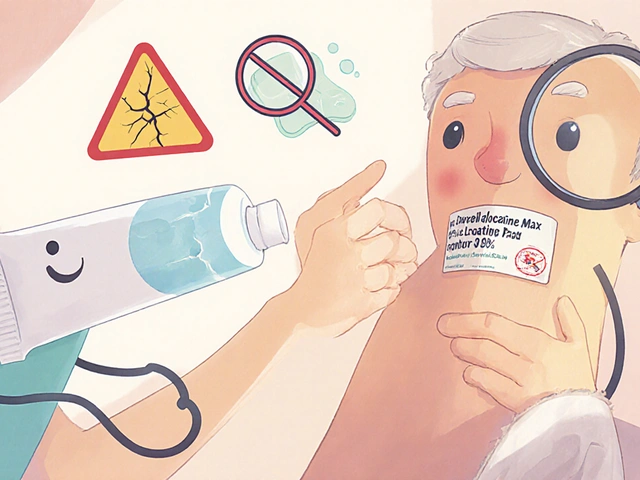
And it’s not just about the pill. Labels on patches, inhalers, and injectables have their own rules. A skin patch might need to stay on for 12 hours, but if you shower with it on, the heat could make it release too fast. An inhaler might look simple, but if you don’t shake it or rinse your mouth afterward, you’re not getting the full dose—and you might get thrush. Even generic substitution, when a pharmacist swaps a brand-name drug for a cheaper, FDA-approved version with the same active ingredient comes with label changes. The name might be different, but the instructions? They should match. If they don’t, ask.
What you’ll find below isn’t a list of random articles. It’s a practical guide to reading, understanding, and acting on the information drug labels actually contain. You’ll learn how to spot red flags on extended-release pills, why some meds need special handling when you travel, how to avoid overdose when restarting a drug after a break, and what the fine print on your thyroid or arthritis meds really means. These aren’t theoretical concerns—people get hurt every day because they didn’t know what the label was trying to tell them. You don’t have to be one of them.
-
9 Dec
- Recent
- Popular