
Generic Substitution Laws: What You Need to Know About Drug Swaps
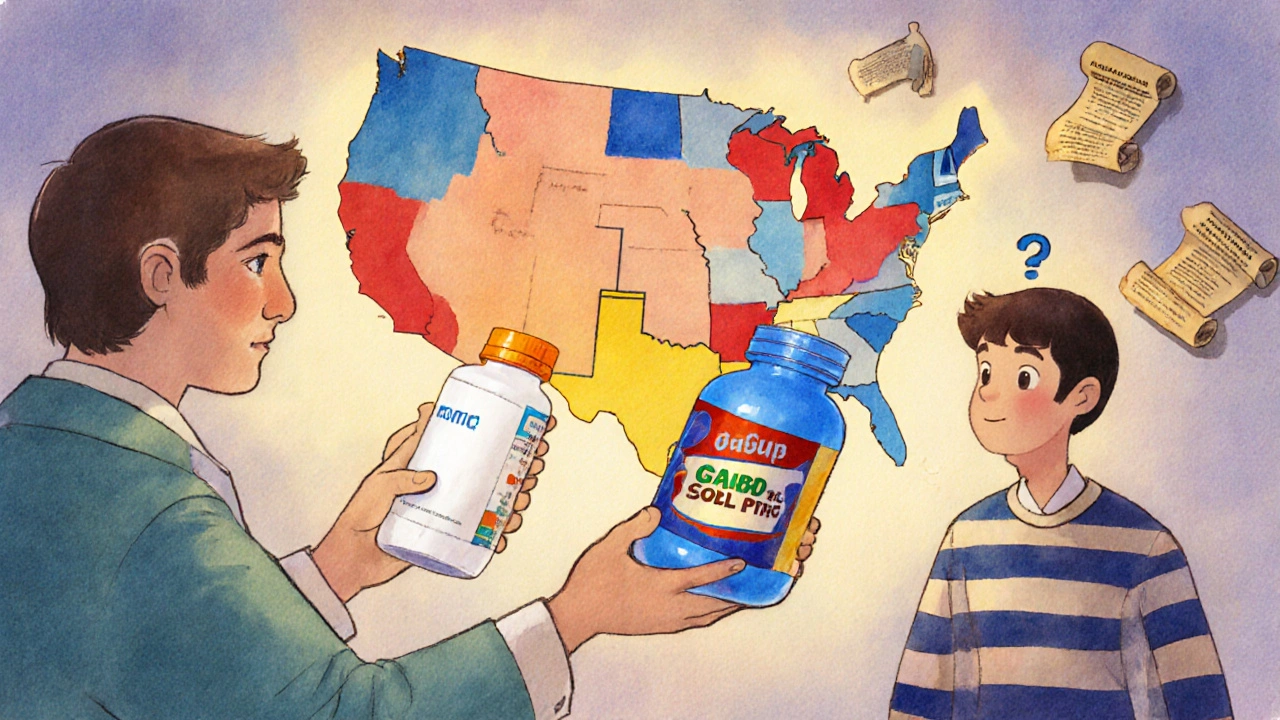
When your pharmacist hands you a different pill than what your doctor wrote on the prescription, it’s not a mistake—it’s generic substitution, the legal practice of replacing a brand-name drug with a chemically identical generic version. Also known as pharmacy substitution, it’s a routine part of how prescriptions are filled in most U.S. states and is designed to cut costs without lowering care quality. This isn’t just about saving money; it’s built into the system because the FDA, the U.S. agency that approves all prescription and over-the-counter drugs requires generics to meet the same safety, strength, and quality standards as brand-name drugs. If a generic is approved, it’s not a cheaper knockoff—it’s the same medicine, just without the marketing budget.
But here’s the catch: generic substitution laws, state-level rules that control whether pharmacists can swap drugs without asking the doctor first aren’t the same everywhere. In some states, substitution is automatic unless the doctor writes "dispense as written" or "no substitution." In others, the pharmacist must call you or your doctor for permission. And in workers’ compensation programs—where employers pay for injured workers’ meds—drug formulary, a list of approved medications that insurers agree to cover often mandates generics by default. That’s why you might see a big price drop on your co-pay: generic substitution saves the system billions each year, and those savings get passed on.
Some people worry that generics don’t work as well, but the science doesn’t back that up. The FDA, the U.S. agency that approves all prescription and over-the-counter drugs tests generics for bioequivalence—meaning they deliver the same amount of active ingredient into your bloodstream at the same rate as the brand name. If your blood pressure pill or thyroid med works fine on a generic, it’s not luck—it’s regulation. Still, there are exceptions. For drugs with a narrow therapeutic index—like warfarin or lithium—even tiny differences in absorption can matter. That’s why doctors sometimes block substitution for those. But for most medications, the switch is safe, legal, and smart.
What you’ll find in the posts below are real-world stories and rules that shape how generic substitution works today. You’ll learn how these laws affect workers’ compensation claims, why some generics cost more than others despite being equally effective, and how to spot when a pharmacy is following the rules—or pushing you toward a more expensive option. There’s no fluff here—just what you need to know to understand your prescription, question a charge, and make sure you’re getting the right drug at the right price.
-
26 Nov
- Recent
- Popular
-
 Slim Trim Active (Orlistat) vs Top Weight‑Loss Alternatives: Benefits, Side Effects & Cost Comparison
Oct 12 2025
Slim Trim Active (Orlistat) vs Top Weight‑Loss Alternatives: Benefits, Side Effects & Cost Comparison
Oct 12 2025
-
 Parkinson’s Disease: Understanding Motor Symptoms, Medications, and Daily Living Challenges
Dec 6 2025
Parkinson’s Disease: Understanding Motor Symptoms, Medications, and Daily Living Challenges
Dec 6 2025
-
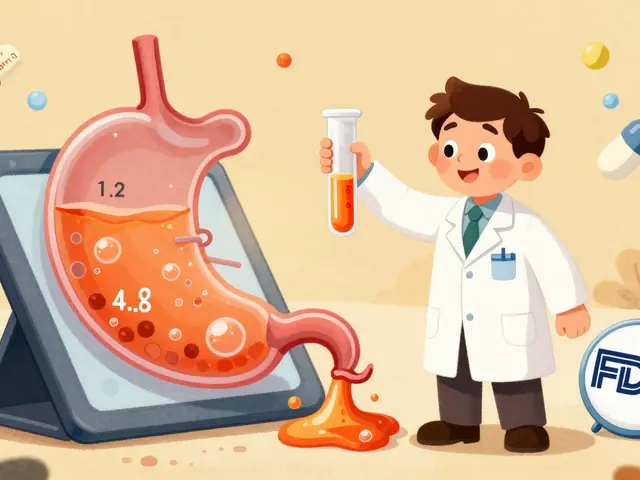 Bioequivalence Waivers: When the FDA Allows In Vitro Data Instead of Human Studies
Dec 23 2025
Bioequivalence Waivers: When the FDA Allows In Vitro Data Instead of Human Studies
Dec 23 2025