Medication Errors: What They Are, How They Happen, and How to Stop Them
When you take a pill, you expect it to help—not hurt. But medication errors, mistakes in prescribing, dispensing, or taking medicine that lead to harm. Also known as drug errors, they’re one of the leading causes of preventable injury in hospitals and at home. These aren’t just rare accidents. Every year, over 7 million medication errors happen in the U.S. alone, and nearly half of them could be avoided with better systems and clearer communication.
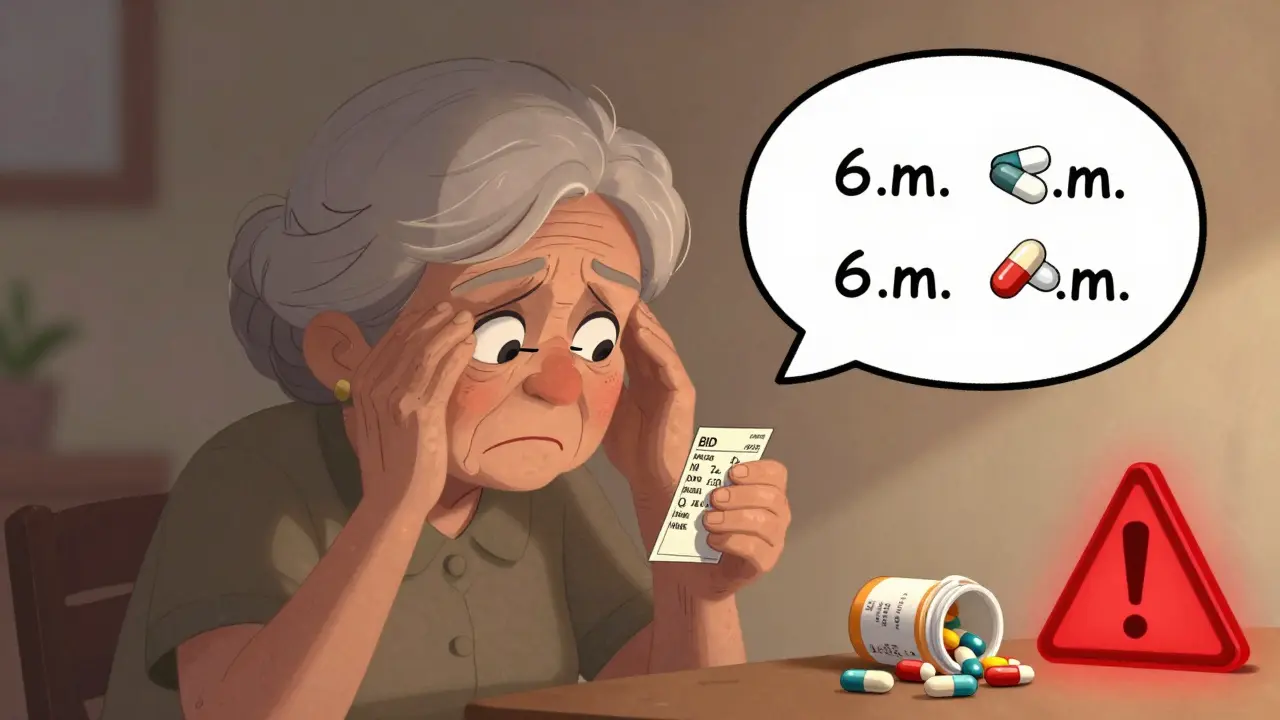
Prescribing errors, when a doctor writes the wrong dose, drug, or instructions. Also known as prescription mistakes, are common when doctors rush or rely on unclear handwriting or outdated systems. Medication reconciliation, the process of comparing a patient’s current meds to what’s been ordered. Also known as meds review, is the single most effective tool to catch these mistakes before they reach you. Think of it like double-checking your grocery list before you pay—you wouldn’t buy five bottles of milk by accident, so why take five pills you don’t need? Yet, studies show that over 60% of patients leave the hospital with at least one error in their medication list.
It’s not just doctors or pharmacists. You play a role too. Taking the wrong pill because the bottle looks similar. Crushing an extended-release tablet because it’s hard to swallow. Skipping a dose because you forgot. Mixing OTC painkillers with your blood thinner. These aren’t "stupid" mistakes—they’re predictable, common, and fixable. The medication errors you see in news stories—like someone getting a chemo dose meant for someone else—start with small, unnoticed slips that snowball.
Some errors happen because of poor labeling. Others because patients don’t understand how to use an inhaler or patch. Some happen when people restart opioids after a break and lose their tolerance. Others come from mixing too many drugs—polypharmacy—that no one bothered to review. The posts below cover all of it: how PPIs weaken bones, why restarting benzodiazepines can kill, how probiotics help with antibiotics, and why generic substitution laws matter in workers’ comp. You’ll find real stories, real risks, and real fixes—not theory, not jargon, just what works.
Whether you’re managing a chronic condition, caring for an aging parent, or just trying to keep your own meds straight, this isn’t about fear. It’s about control. You don’t need to be a doctor to spot a red flag. You just need to know what to look for—and these posts will show you exactly that.
-
15 Feb
-
9 Dec
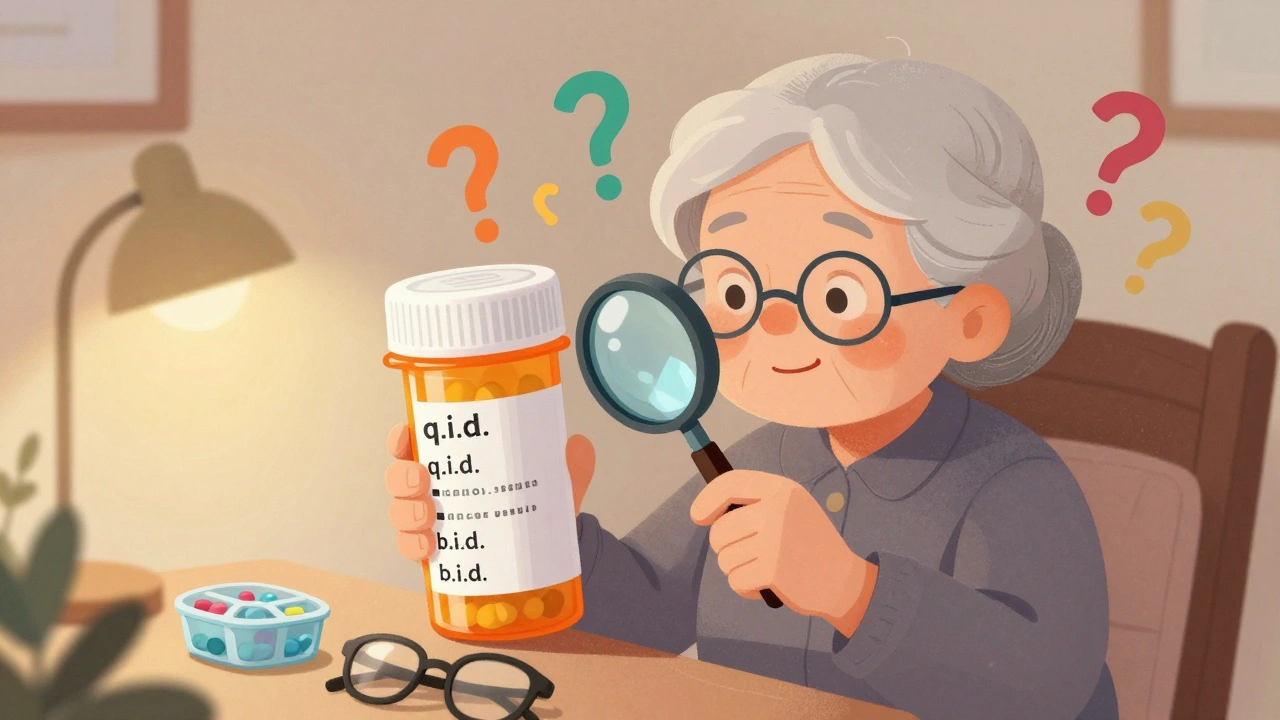
Understanding Drug Labels: A Complete Medication Label Breakdown
Learn how to read prescription and over-the-counter drug labels to avoid dangerous medication errors. Understand active ingredients, dosage, warnings, and what to ask your pharmacist for safer use.
- Recent
- Popular
-
 Buy Generic Zoloft Online in Australia (2025): Safe, Legal, and Cheaper Sertraline
Aug 23 2025
Buy Generic Zoloft Online in Australia (2025): Safe, Legal, and Cheaper Sertraline
Aug 23 2025
-
 Duratia (Dapoxetine) vs Other Premature Ejaculation Treatments: A Detailed Comparison
Oct 12 2025
Duratia (Dapoxetine) vs Other Premature Ejaculation Treatments: A Detailed Comparison
Oct 12 2025
-
 Achieve Faster Weight Loss and Wellness with Taumelloolch: The Ultimate Dietary Supplement Guide
May 15 2025
Achieve Faster Weight Loss and Wellness with Taumelloolch: The Ultimate Dietary Supplement Guide
May 15 2025