OTC Topical Pain Relievers: What Works, What Doesn't, and How to Use Them Right
When you’ve got a sore back, achy knees, or a strained shoulder, OTC topical pain relievers, over-the-counter creams, gels, patches, and sprays applied directly to the skin to reduce pain. Also known as topical analgesics, they’re often the first thing people reach for before popping pills. But not all of them work the same way—and most people use them wrong.
Some, like lidocaine patches, adhesive patches that deliver a local anesthetic to numb pain at the source, block nerve signals where they hurt. Others, like menthol cream, a cooling agent that tricks nerves into feeling cold instead of pain, distract your brain by overriding pain signals. Then there’s capsaicin cream, a compound from chili peppers that depletes substance P, the chemical that sends pain signals to your brain. It burns at first, but if you stick with it, it can reduce chronic pain over time. These aren’t just feel-good lotions—they’re targeted tools with real science behind them.
What they don’t do? Fix the root cause. If your knee hurts because of arthritis, a cream won’t rebuild cartilage. But it can make walking bearable while you figure out the next step. And here’s the catch: using too much, or combining them with heat wraps or other meds, can burn your skin or raise your risk of side effects. You wouldn’t swallow five pain pills at once—don’t do the same with your cream.
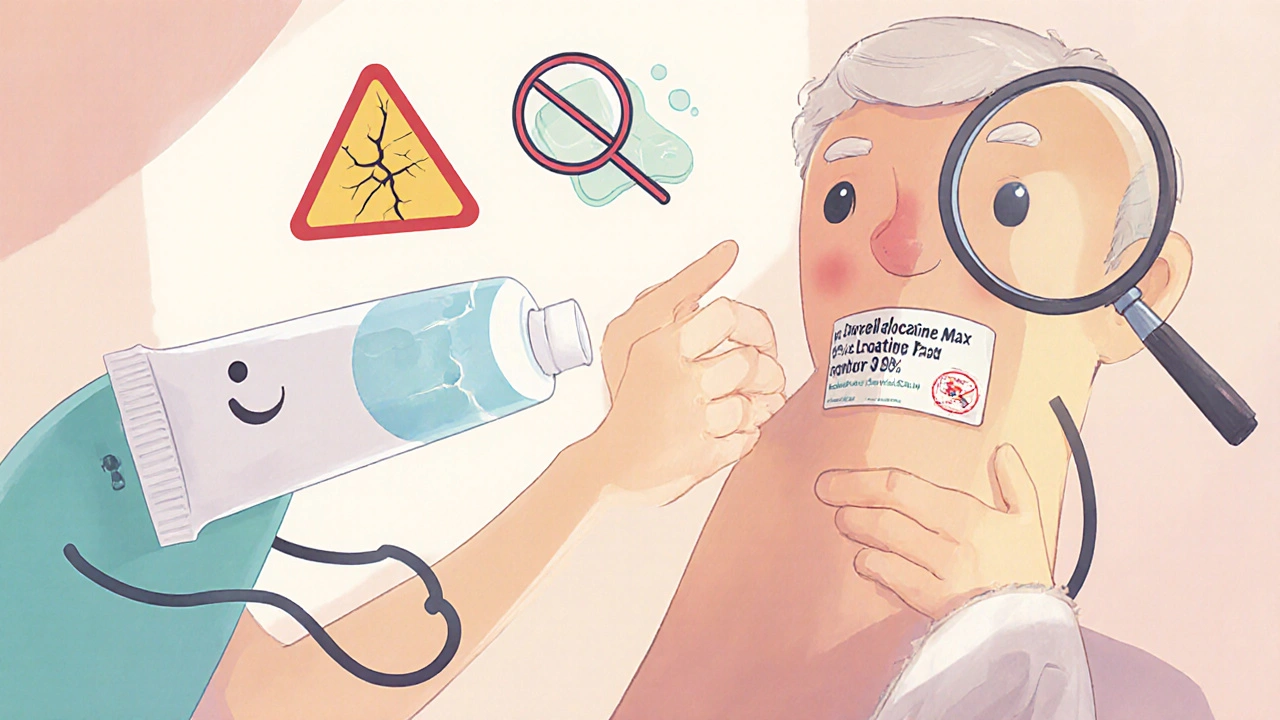
People often skip reading the label. Some products say "do not use on broken skin"—but how many of us have rubbed one on a scraped elbow anyway? Others warn against using them with heating pads. Yet millions do it every day. And then there’s the myth that "more is better." A pea-sized amount of capsaicin is enough for a quarter-sized area. More doesn’t mean faster relief—it just means more irritation.
These products are most effective when used consistently for mild to moderate pain. Not for sudden injuries, not for deep joint pain, and not as a substitute for seeing a doctor if pain lasts more than a week. But for everyday aches—from typing too long to gardening too hard—they’re a quiet, practical fix that millions rely on without knowing how they actually work.
Below, you’ll find real guides that cut through the noise. Learn how to read labels so you don’t accidentally overdose on lidocaine. See which OTC creams actually help with arthritis versus just giving a temporary chill. Find out why some people swear by capsaicin while others quit after the first burn. And discover what to avoid—because using the wrong product the wrong way can do more harm than good.
-
23 Nov
- Recent
- Popular