Overdose Prevention: How to Spot, Stop, and Survive a Medication Emergency
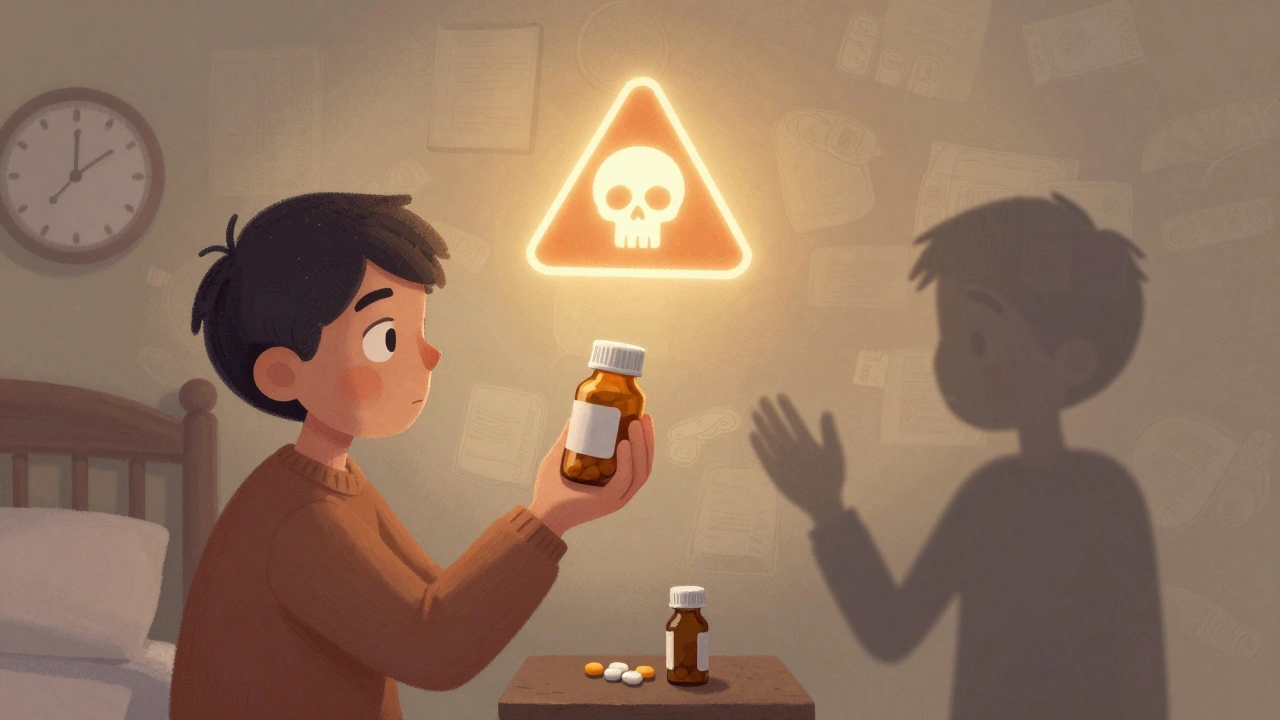
When someone takes too much of a medication—whether by accident, mistake, or intent—it’s called an overdose, a dangerous or fatal reaction to taking more of a drug than the body can handle. Also known as drug toxicity, it can happen with prescription pills, over-the-counter drugs, or even supplements. It’s not always obvious who’s at risk, and it doesn’t always look like a movie scene—sometimes it’s just someone falling asleep too hard after taking their usual dose.
Opioid overdose, a leading cause of preventable death in the U.S., happens when breathing slows or stops because too much of a painkiller like oxycodone, hydrocodone, or fentanyl is in the system. Also known as respiratory depression, it’s the main reason naloxone exists. But overdose isn’t just about opioids. It can come from mixing sleep aids with alcohol, taking too many acetaminophen pills for a headache, or even crushing extended-release pills to get a faster high. The naloxone, a life-saving medication that reverses opioid overdose by blocking opioid receptors in the brain. Also known as Narcan, it’s now available over the counter in most states and can be carried like an EpiPen. Having it on hand doesn’t mean you’re encouraging drug use—it means you’re prepared for the unexpected.
Most overdoses happen because people don’t know the risks. They assume a prescription is safe, or they don’t realize how quickly tolerance builds. Others mix meds without knowing the interactions. Some forget they already took a pill and take another. The overdose prevention strategy isn’t about fear—it’s about awareness. Know the signs: slow or shallow breathing, blue lips, unresponsiveness, gurgling sounds. Know what to do: call 911, give naloxone if you have it, start CPR if needed. And know that helping someone isn’t judgment—it’s human.
You’ll find real stories here—not theory. Posts show how people accidentally overdosed on extended-release pills, how to read labels to avoid doubling up, why certain meds are pulled from shelves, and how remote monitoring tools now warn of dangerous side effects before they turn fatal. You’ll see how generic substitution laws affect dosage safety, how medication cost barriers push people to skip doses and then overcompensate, and how sleep or liver disease can change how your body handles a pill you’ve taken for years. This isn’t a warning list. It’s a practical toolkit.
-
4 Dec
- Recent
- Popular