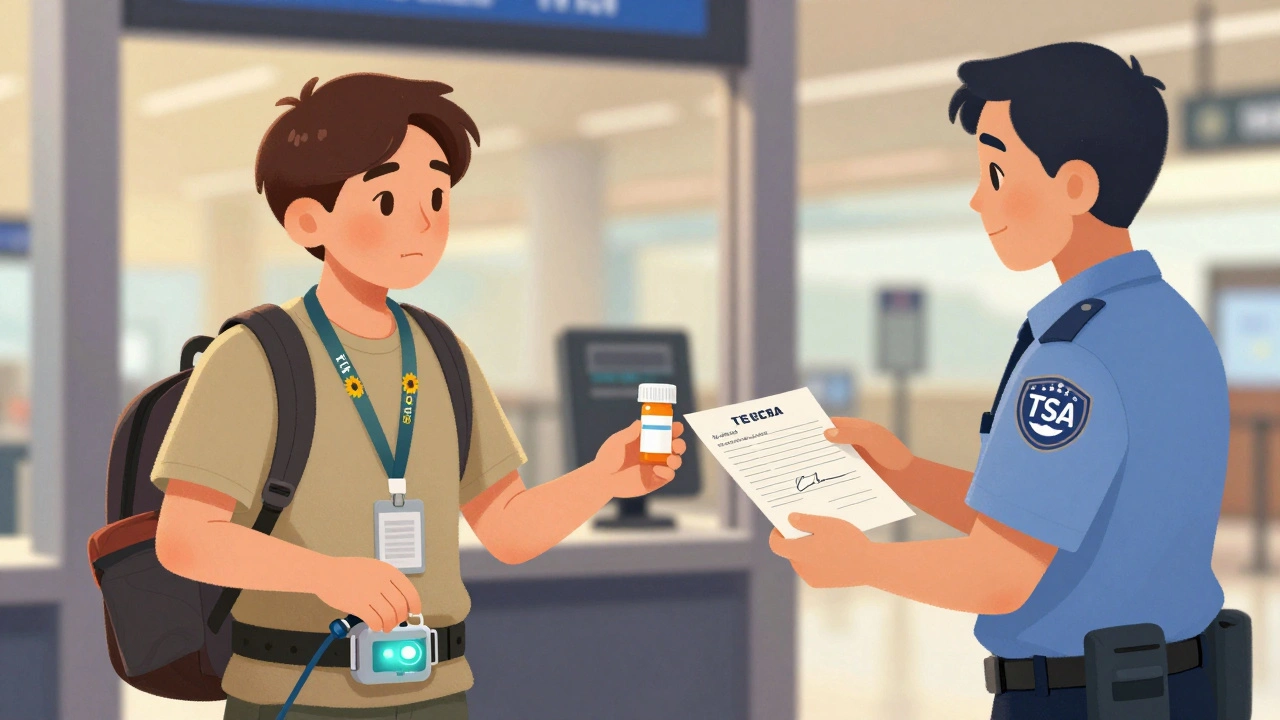
Traveling with Medications: What You Need to Know Before You Go
When you’re traveling with medications, the process of carrying prescribed or over-the-counter drugs while moving between locations, especially across state or national lines. Also known as medication travel, it’s not just about packing a pill bottle—it’s about understanding rules that vary by country, airline, and even airport security. You might think if it’s legal at home, it’s legal everywhere. That’s not true. The TSA, the U.S. Transportation Security Administration, responsible for screening passengers and baggage at airports allows most prescription drugs in carry-ons, but they require proper labeling. International travel? That’s a whole different game. Some countries ban common U.S. medications like pseudoephedrine, certain painkillers, or even high-dose melatonin. What’s a harmless sleep aid here could be classified as a controlled substance abroad.
One big mistake people make is tossing meds into checked luggage. If your bag gets lost, you’re stuck without your daily pills. Keep everything in your carry-on, in original containers with your name on the bottle. If you’re carrying injectables, like insulin or epinephrine, bring a doctor’s note—even if you don’t think you need it. Airlines and customs officers have seen fake notes before, so make sure yours is printed on official letterhead and signed. Don’t forget to check the FDA, the U.S. Food and Drug Administration, which regulates drug safety and approves medications for use in the United States guidelines on importing foreign drugs. Bringing back a few extra months of your prescription from Mexico? That’s risky. The FDA doesn’t guarantee safety or legality for drugs bought overseas, even if they’re the same brand.
Time zones can mess with your schedule, and missing a dose isn’t just inconvenient—it can be dangerous with certain meds like blood thinners, seizure drugs, or thyroid pills. Plan ahead: if you’re crossing time zones, talk to your doctor about adjusting your dosing window. Some people use pill organizers with alarms, but make sure those are labeled clearly. Don’t rely on apps alone—tech can fail, batteries die. Also, know your rights: if you’re flying with a disability or chronic condition, you can request a private screening for your meds without being forced to open them in front of others. You’re not asking for special treatment—you’re asking for basic safety and dignity.
And don’t ignore the little stuff. Liquid meds over 3.4 oz? You’re allowed, but you must declare them at security. Keep them in a clear, separate bag. Got a month’s supply of pills? That’s fine. A year’s supply? That raises red flags. Customs might think you’re trying to import for resale. Always carry your prescription or a letter from your doctor explaining why you need it. If you’re taking something unusual—like a compounded medication or a drug not sold in the destination country—do your homework before you book your ticket. Some countries require advance permits. Others just turn you away.
Below, you’ll find real-world guides on how to handle medication recalls, manage costs during travel, avoid side effects from disrupted routines, and navigate rules for generics, inhalers, and injectables—all of which matter when you’re away from home. Whether you’re flying across the country or overseas for vacation, work, or family, this collection gives you the practical, no-fluff advice you need to stay safe, legal, and healthy on the move.
-
1 Dec