XR Label: What Extended-Release Medications Mean for Your Safety and Health
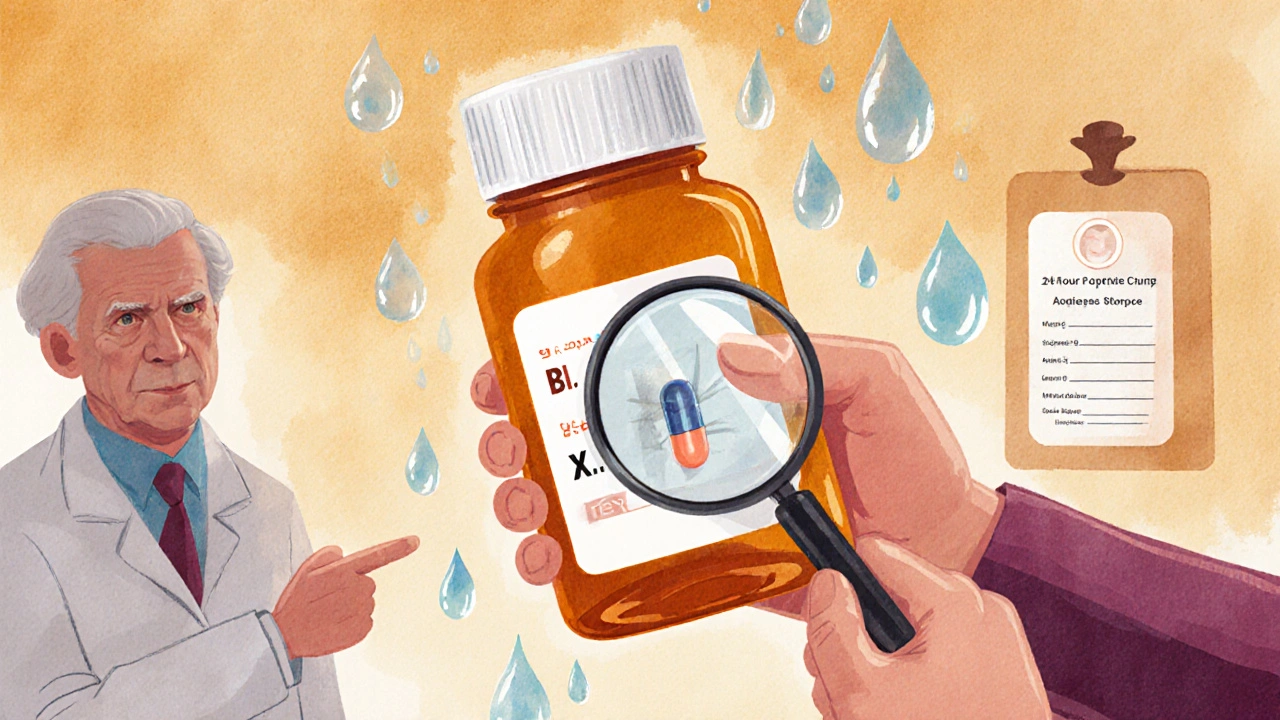
When you see XR label, an abbreviation for extended-release, indicating a drug designed to release slowly over time to maintain steady levels in the body. Also known as ER, it's not just a fancy way to say "long-lasting"—it's a critical safety feature that changes how your body handles the medicine. Take an XR pill and you're getting a controlled drip of medication, not a sudden spike. That’s why you can’t crush, chew, or split it. Do that, and you’re basically turning a slow-release formula into a rapid overdose. The FDA has issued warnings about this exact mistake with opioids, blood pressure meds, and even ADHD drugs. People think they’re being smart by splitting a pill to save money or adjust the dose, but with XR, you’re risking serious harm.
Understanding the difference between extended-release and immediate-release, a standard tablet that dissolves quickly, delivering the full dose within minutes isn’t just academic—it’s life-saving. Immediate-release versions kick in fast but wear off fast too, which is why you might need to take them three times a day. XR versions? Often just once. But that convenience comes with rules. If you miss a dose, don’t double up. If you switch from XR to IR without your doctor’s say-so, you might get side effects you didn’t expect—drowsiness, dizziness, or worse. These aren’t hypotheticals. Real cases show people ending up in the ER after mixing up their meds, especially when switching brands or filling prescriptions at different pharmacies.
That’s why medication timing, the precise schedule when a drug is taken to match its release pattern and avoid dangerous peaks or drops matters more than you think. Your body doesn’t just absorb pills—it reacts to how fast they come in. XR meds are built for consistency. Take them at the same time every day. Skip meals? That can change how they’re absorbed. Alcohol? That can trigger a dangerous rush of drug into your system. Even something as simple as drinking grapefruit juice can interfere with how your liver processes some XR drugs. And if you’re on multiple meds, the interactions get even trickier. That’s why the FDA archive has dozens of safety alerts tied to XR formulations—most of them preventable.
So when you pick up a prescription and see "XR" or "ER" on the bottle, don’t just assume it’s the same as the regular version. Ask your pharmacist: "Is this time-released?" Check the label. Read the patient guide. Know what happens if you miss a dose. And if you’re using a remote monitoring app or wearable tracker, make sure it’s set to alert you for XR-specific risks—not just missed pills, but unsafe dosing patterns. The posts below cover real cases where people got hurt because they didn’t understand this. They also show how to spot fake XR pills sold online, how to compare brands like Tadacip and Cialis, and why some generics cost more but work worse. You’ll find guides on opioid side effects, amantadine dosing, and even how to talk to your doctor about switching from XR to IR safely. This isn’t theory. It’s what you need to know to take your meds without risking your health.
-
25 Nov
- Recent
- Popular