

Most people with prediabetes don’t know they have it. That’s not because they’re ignoring their health-it’s because prediabetes rarely shows clear symptoms. By the time someone feels tired, thirsty, or notices dark patches on their skin, the condition may have been brewing for years. But here’s the good news: prediabetes isn’t a life sentence. It’s a wake-up call-and one you can act on before it turns into type 2 diabetes.
What Prediabetes Actually Means
Prediabetes means your blood sugar is higher than normal, but not high enough to be called diabetes yet. Think of it like a car’s check engine light. It’s not broken yet, but something’s off. Left unchecked, 15 to 30% of people with prediabetes will develop type 2 diabetes within five years. But if you make changes early, you can reverse it-often completely. The official diagnosis comes from three blood tests:- Fasting blood sugar: 100-125 mg/dL
- A1C: 5.7%-6.3%
- 2-hour glucose tolerance test: 140-199 mg/dL
Warning Signs You Can’t Ignore
Yes, most people with prediabetes feel fine. But some do notice subtle changes. These aren’t dramatic symptoms like diabetic ketoacidosis-they’re quiet signals your body sends when it’s struggling to manage sugar.- Constant thirst and frequent urination: When your blood sugar climbs above 180 mg/dL, your kidneys can’t reabsorb all the glucose. It spills into your urine, pulling water with it. That’s why you’re drinking more and going to the bathroom more often-even at night.
- Blurred vision: High sugar levels cause fluid to shift into your eye lenses, changing their shape. This makes focusing hard. It’s temporary, but if it keeps happening, it’s a red flag.
- Unexplained fatigue: Your cells aren’t getting the energy they need from sugar because insulin isn’t working right. You’re not lazy-you’re running on empty.
- Dark, velvety skin patches: Called acanthosis nigricans, these show up on your neck, armpits, or groin. It’s not dirt. It’s a sign your body is producing extra insulin to cope with resistance.
- Slow-healing cuts or infections: High sugar weakens your immune system and damages small blood vessels. A minor scrape that takes more than two weeks to heal? That’s not normal.
- Tingling or numbness in hands or feet: This is early nerve damage from prolonged high sugar. It’s called peripheral neuropathy. It starts mild but gets worse if ignored.
- Increased hunger: Even after eating, your cells are starving for fuel because sugar can’t get inside them. You eat more, but you’re still not satisfied.
- Unintentional weight loss: If you’re losing weight without trying-even while eating normally-it’s because your body is breaking down muscle and fat for energy, since it can’t use glucose properly.
- Recurrent yeast infections: Yeast thrives on sugar. Women with prediabetes often get vaginal yeast infections three or more times a year. Men can get skin infections in warm, moist areas.
- Mood swings or depression: Studies show a direct link between rising A1C levels and worsening depression scores. High sugar affects brain chemistry. Feeling down isn’t just stress-it could be metabolic.
Who’s at Risk?
Prediabetes doesn’t pick favorites-but it does target certain groups harder.- People with a BMI over 25 (or over 23 if you’re Asian)
- Those with a family history of type 2 diabetes
- Women who had gestational diabetes or gave birth to a baby over 9 pounds
- People with polycystic ovary syndrome (PCOS)
- Those who are physically inactive
- People with high blood pressure or abnormal cholesterol
- Non-Hispanic Black, Hispanic, and Asian adults have higher rates than non-Hispanic White adults

How to Reverse It-For Real
The good news? You don’t need pills, surgery, or extreme diets. The best way to reverse prediabetes is simple, proven, and free:1. Lose 5-7% of Your Body Weight
If you weigh 200 pounds, losing 10-14 pounds cuts your diabetes risk by over half. You don’t need to drop 50 pounds. Just start with 5%. How? Cut out sugary drinks. That’s the biggest step for most people. One soda a day adds up to 15 pounds a year. Replace it with water, unsweetened tea, or sparkling water with lemon. Eat more fiber. Beans, lentils, oats, vegetables, and whole grains slow sugar absorption. They keep you full longer and stabilize insulin.2. Move Every Day-No Gym Required
You don’t need to run a marathon. Just walk 30 minutes, five days a week. That’s 150 minutes. Break it into three 10-minute walks if you’re busy. Take the stairs. Park farther away. Dance while you cook. Studies show that even light activity after meals-like a 15-minute stroll-lowers blood sugar spikes better than a single long workout.3. Eat Smart, Not Starve
Forget fad diets. Focus on real food:- Fill half your plate with non-starchy veggies: spinach, broccoli, peppers, zucchini
- Choose lean protein: chicken, fish, tofu, eggs
- Swap white rice, bread, and pasta for brown rice, quinoa, or whole grain
- Limit added sugar-check labels. Even “healthy” yogurts and sauces are loaded
- Try the Mediterranean diet: olive oil, nuts, fish, beans, fruits, vegetables. A 2023 study showed it reversed prediabetes in nearly 28% of people in just 12 months
4. Sleep and Stress Matter Too
Poor sleep raises cortisol, which spikes blood sugar. Aim for 7-8 hours. If you’re snoring or waking up tired, get checked for sleep apnea-it’s common in prediabetes. Chronic stress does the same. Try breathing exercises, walking in nature, or even journaling for 10 minutes a day. Your pancreas will thank you.What Doesn’t Work
There’s a lot of noise out there. Avoid these traps:- Extreme low-carb diets: They can work short-term but are hard to keep up. And they’re not necessary for most people.
- Supplements marketed as “sugar blockers”: No pill, powder, or tea reverses prediabetes. The only proven fix is lifestyle.
- Waiting for symptoms to get worse: By then, damage may already be done. Screen early.
Tools That Help
You don’t have to do this alone. The CDC’s National Diabetes Prevention Program offers a structured 16-week course-often free or low-cost through local health centers or online. Programs like Omada and Virta use coaching, apps, and trackers to help people stick with it. One study showed 85% completion rates with digital support. Some people use continuous glucose monitors (CGMs) to see how food affects their sugar in real time. It’s not required, but for some, seeing the spike after a banana or a bagel is the wake-up they need.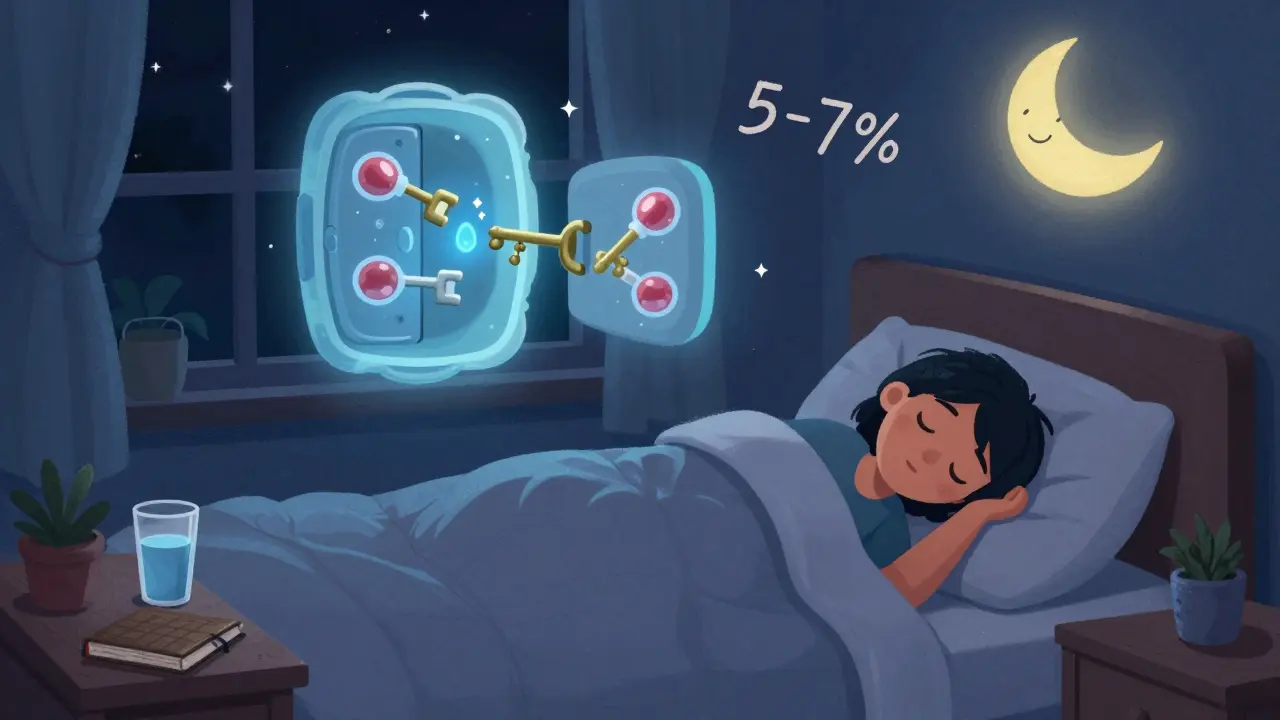
When to Get Tested
The American Diabetes Association recommends screening if you’re:- Over 35 and overweight
- Under 35 but overweight with one risk factor (like high blood pressure or a family history)
- Have had gestational diabetes
- Have PCOS
You’re Not Alone
More than 96 million Americans have prediabetes. In Australia, the numbers are rising fast too. Most people don’t know they’re in this zone. But now you do. Prediabetes isn’t a diagnosis of failure. It’s a gift-a chance to reset your health before it’s too late. You don’t need to be perfect. Just consistent. One healthy meal. One walk. One night of good sleep. That’s how you reverse it.It’s not about living longer. It’s about living better-without insulin shots, without constant worry, without losing your energy, your vision, your mobility. You’ve got this.
Can prediabetes be reversed completely?
Yes, in many cases. Studies show that with weight loss of 5-7% and 150 minutes of weekly physical activity, up to 58% of people reverse prediabetes and return to normal blood sugar levels. Some people even maintain normal glucose for over a decade after making these changes.
Do I need medication for prediabetes?
Not usually. Lifestyle changes are more effective than metformin for most people. But in some cases-like if you’re very overweight, have a history of gestational diabetes, or are under 60-your doctor might recommend metformin as a backup. It’s not a substitute for diet and movement, but it can help if you’re struggling to make changes.
How long does it take to reverse prediabetes?
You can start seeing improvements in blood sugar within weeks. A1C levels typically drop by 0.5-1.0% in 3-6 months with consistent changes. Full reversal-meaning normal fasting glucose and A1C-can happen in 6 to 12 months for many people.
Can I eat fruit if I have prediabetes?
Absolutely. Whole fruits like berries, apples, and oranges are packed with fiber and nutrients. They raise blood sugar slowly. Avoid fruit juices and dried fruits, which are concentrated sugar. One serving a day is fine-pair it with protein or fat (like nuts or yogurt) to slow absorption.
Is prediabetes the same as insulin resistance?
Prediabetes is often caused by insulin resistance, but they’re not the same thing. Insulin resistance means your cells don’t respond well to insulin. Prediabetes is the result: higher-than-normal blood sugar because of that resistance. You can have insulin resistance without prediabetes (if your pancreas still makes enough insulin), but prediabetes almost always means insulin resistance is present.
Can stress cause prediabetes?
Stress doesn’t directly cause prediabetes, but it makes it worse. When you’re stressed, your body releases cortisol, which tells your liver to release more glucose. If you’re already insulin resistant, that extra sugar has nowhere to go-so your blood sugar climbs. Managing stress is part of reversing prediabetes.
Will losing weight fix prediabetes?
Losing even a small amount-5-7% of your body weight-can dramatically improve insulin sensitivity and often reverse prediabetes. But it’s not just about weight. Where you lose fat matters too. Losing belly fat (visceral fat) has the biggest impact on blood sugar control.
Are there any tests I can do at home?
Home A1C test kits are available, but they’re not as accurate as lab tests. They can give you a rough idea, but they shouldn’t replace a doctor’s diagnosis. If you’re concerned, see a healthcare provider. Blood tests are the only reliable way to know for sure.
What happens if I ignore prediabetes?
Without changes, 15-30% of people develop type 2 diabetes within five years. That increases your risk of heart disease, stroke, kidney damage, nerve problems, vision loss, and amputations. The earlier you act, the more you protect your future health.
Can children have prediabetes?
Yes. With rising obesity rates, more kids and teens are being diagnosed. The same lifestyle changes apply: reduce sugary drinks, increase activity, eat more whole foods. Early intervention can prevent lifelong health problems.
Next Steps
If you think you might have prediabetes:- Ask your doctor for a fasting blood sugar or A1C test.
- If you’re diagnosed, don’t panic. This is the easiest stage to fix.
- Start with one change: swap soda for water, or take a 10-minute walk after dinner.
- Look up a CDC-recognized Diabetes Prevention Program near you-or join one online.
- Track your progress. Even small wins matter.





Nancy Kou
December 21, 2025 AT 04:03This is the most practical guide I've ever read on prediabetes. I started walking after dinner and swapped soda for sparkling water six weeks ago. My A1C dropped from 6.1 to 5.5. No meds. No magic. Just consistency. If you're reading this and thinking 'I can't,' you already know you can. Start small.
Hussien SLeiman
December 22, 2025 AT 21:43Let’s be real - the medical-industrial complex loves prediabetes because it creates a lifetime of follow-ups and anxiety. They’ll tell you to walk 150 minutes a week but won’t mention that glyphosate in your food is what’s really wrecking your insulin sensitivity. The DPP study? Funded by Big Pharma. The real solution? Organic food, fasting, and ditching the damn glucose monitors. They’re surveillance tools disguised as health aids. You’re being manipulated into a lifelong patient role. Wake up.
Henry Marcus
December 24, 2025 AT 07:11Okay, so the government says 'eat less sugar' - but who controls the sugar industry? Who funds the CDC? Who wrote the '150 minutes a week' rule? I’ve seen the documents. It’s all tied to Big Ag and insulin manufacturers. They don’t want you cured - they want you dependent. That’s why they push CGMs - so you’ll keep buying strips. And don’t get me started on metformin - it’s basically a chemical leash. The truth? Your body can heal itself if you stop listening to the noise. Eat real food. Sleep. Move. Trust your instincts. The system wants you confused.
Frank Drewery
December 25, 2025 AT 10:44I was diagnosed with prediabetes last year. I felt like a failure. But this post? It gave me hope. I started with just one thing: swapping my afternoon soda for herbal tea. Then I walked after dinner. Now I’m down 12 pounds. My energy’s back. I’m not perfect - I still crave sweets - but I’m not scared anymore. You don’t need to be perfect. You just need to start. And you’re not alone.
jessica .
December 26, 2025 AT 21:49Why are we letting foreigners dictate our health? The CDC is pushing this 'Mediterranean diet' nonsense - olive oil? Nuts? That’s not American. We need to get back to steak and eggs. Sugar is a liberal plot to make us weak. And why are they pushing walking? We used to work hard - now we’re told to stroll like old people. This isn’t health - it’s cultural surrender. I’m not changing a thing. My grandpa lived to 92 eating bacon and Coke.
Ryan van Leent
December 28, 2025 AT 17:20Who even cares about prediabetes? I’m 32, I eat pizza every night, I don’t sleep, I’m stressed out - and I’m fine. My blood sugar’s fine. I’ve never been to a doctor. You people are obsessed with numbers. Your body knows what it’s doing. Stop overthinking. Just live. If you get diabetes, you get diabetes. Life’s short. Eat the damn cake.
Sajith Shams
December 29, 2025 AT 02:12You people are missing the point entirely. Prediabetes is not about weight or walking. It’s about insulin signaling and mitochondrial dysfunction. You need to understand the biochemistry. The DPP study is outdated - newer research shows that time-restricted eating with 16:8 fasting improves insulin sensitivity 40% more than just calorie restriction. And you must test your fasting insulin levels - not just A1C. Most doctors don’t even know this. I’ve reversed mine in 4 months with keto + intermittent fasting + magnesium glycinate. Stop listening to generic advice. Go deep.
Ashley Bliss
December 29, 2025 AT 06:26I used to think prediabetes was just a scare tactic - until I started crying in the grocery store because I couldn’t even look at a banana without guilt. I felt like my body had betrayed me. But then I found a community online - people who got it. No judgment. Just shared stories. I started journaling. I cried. I ate an apple. I walked. I didn’t fix everything at once. I just showed up. And slowly - so slowly - I stopped hating myself. This isn’t about numbers. It’s about learning to love your body again.
Elaine Douglass
December 30, 2025 AT 12:10Thank you for writing this. I’m 58 and just found out I have prediabetes. I’ve been so scared. But reading your post made me feel like it’s not the end. I’m going to start with one thing - drinking water instead of iced tea. And maybe walking with my granddaughter after dinner. She’s 6. She loves to walk. Maybe we’ll both get healthier together.
Takeysha Turnquest
December 31, 2025 AT 22:11They told me I was broken. But I’m not broken. I’m a system in need of recalibration. Prediabetes isn’t a disease - it’s a whisper from your soul saying 'slow down.' The body doesn’t lie. It’s screaming through fatigue, through blurred vision, through the dark patches on my neck. I stopped fighting it. I started listening. And now I’m healing - not because I followed a plan - but because I chose to come home to myself.
Emily P
January 1, 2026 AT 17:58Can someone explain why the 5-7% weight loss target is so specific? Is that from the DPP study or is there a metabolic threshold? I’ve seen people lose 10% and still have high A1C, and others lose 3% and reverse it. What’s the science behind that number? Not trying to be annoying - just genuinely curious.
Jedidiah Massey
January 2, 2026 AT 01:21As a metabolic biochemist, I must say: the DPP protocol is foundational, but it’s woefully incomplete. The 5-7% weight loss target assumes linear insulin sensitivity gains - but the reality is nonlinear and highly individualized due to gut microbiome diversity, epigenetic methylation patterns, and circadian alignment. CGMs are useful for feedback loops, but without measuring fasting insulin and HOMA-IR, you’re flying blind. Also, resistance training > cardio for improving GLUT4 translocation. And please - stop calling it 'reversal.' It’s metabolic reset. Semantics matter.