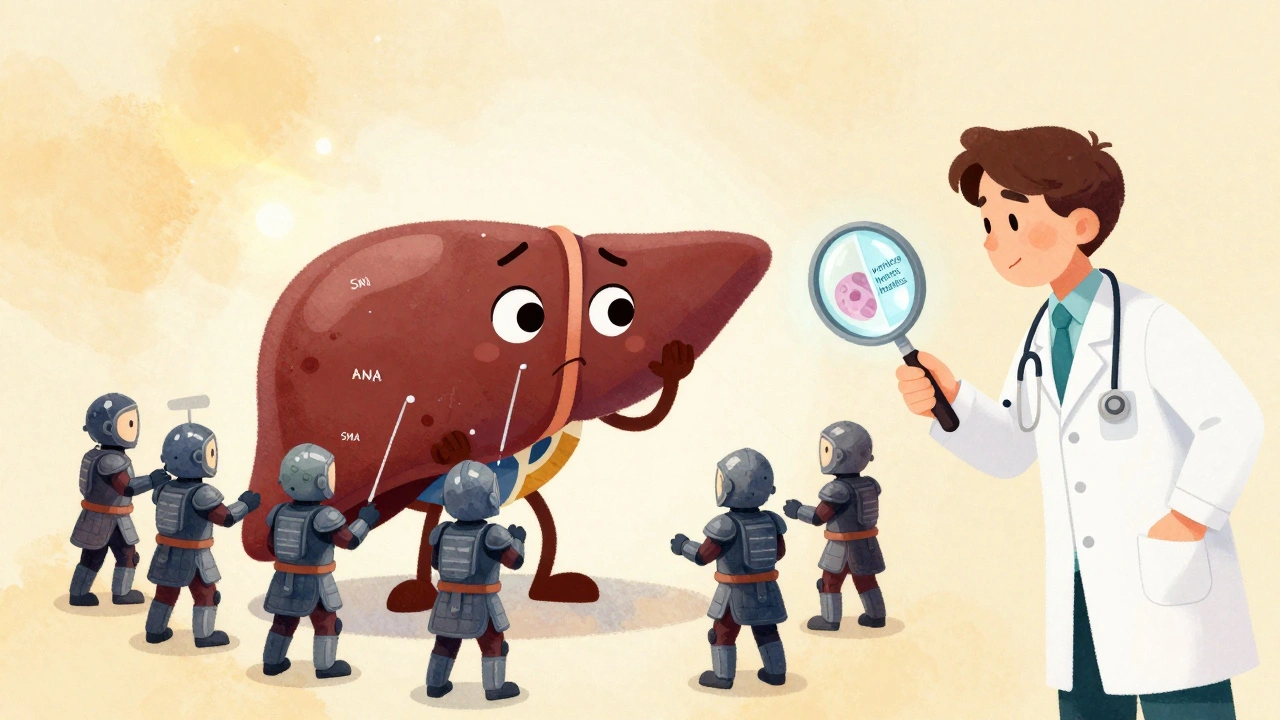
Autoimmune Liver Disease: Causes, Symptoms, and Management Options
When your immune system turns on your own liver, you’re dealing with autoimmune liver disease, a group of conditions where the body’s defense system mistakenly targets liver cells, leading to inflammation and long-term damage. Also known as autoimmune hepatitis, this isn’t caused by alcohol, viruses, or poor diet—it’s your own body doing the damage. It’s not rare. About 1 in 10,000 people have it, and women are hit much harder than men. Left untreated, it can lead to liver cirrhosis, scarring that replaces healthy tissue and blocks blood flow through the liver, which then raises your risk of liver failure or cancer.
There are three main types: autoimmune hepatitis, the most common form, where immune cells attack liver cells directly; primary biliary cholangitis, a slow attack on the bile ducts inside the liver; and primary sclerosing cholangitis, where bile ducts outside and inside the liver become inflamed, scarred, and blocked. Each has different symptoms, but all share the same root problem: your immune system is confused. Fatigue, itchy skin, dark urine, and jaundice are common signs. Many people don’t feel sick until the damage is advanced—that’s why blood tests and liver biopsies are critical.
There’s no cure, but treatment works if you start early. Steroids like prednisone are often the first line of defense—they quiet the immune system. Sometimes you’ll need a second drug like azathioprine to reduce steroid side effects. For primary biliary cholangitis, ursodeoxycholic acid helps move bile out of the liver. Lifestyle changes matter too: avoiding alcohol, managing weight, and skipping supplements that stress the liver can slow progression. And yes, liver cirrhosis can still develop even with treatment, which is why regular monitoring with blood work and imaging is non-negotiable.
The posts below cover what actually works when you’re managing this condition. You’ll find real advice on how medications like steroids affect your body long-term, how to spot early signs of worsening liver function, and what supplements to avoid. There’s also info on how autoimmune liver disease connects to other autoimmune conditions—like thyroid disorders or rheumatoid arthritis—that often show up together. You’ll see what the latest guidelines say about monitoring, when to push for a specialist, and how to avoid common mistakes that make things worse. No theory. No fluff. Just what you need to know to stay ahead of this disease.
-
4 Dec