International Medication Laws: What You Need to Know About Global Drug Rules
When you take a pill, it doesn’t just come from a pharmacy—it travels through a web of international medication laws, rules that govern how drugs are approved, sold, and monitored across countries. These laws shape whether you can get a drug at all, how much it costs, and even if your pharmacist can swap your brand-name pill for a cheaper generic. In the U.S., the FDA, the U.S. agency that approves and monitors drugs for safety and effectiveness sets strict standards, but in Europe, Canada, or India, the rules are different. A drug approved in one country might be banned in another because of different risk assessments, manufacturing standards, or even cultural attitudes toward medicine.
One big difference you’ll run into is generic substitution, when a pharmacist replaces a brand-name drug with a cheaper, FDA-approved version. In some states, pharmacists can swap generics without asking you. In others, they must get your permission first. And in countries like Germany or Japan, generics are pushed hard to cut healthcare costs—but the rules around which generics are allowed, and how they’re tested, vary wildly. Then there’s pharmaceutical compliance, the set of legal and ethical practices drug makers must follow to avoid fines, recalls, or criminal charges. This includes how they test drugs, report side effects, and market products. A company that follows U.S. rules might break laws in Australia or Brazil just by changing how it describes a drug’s benefits.
These laws aren’t just paperwork—they affect real people. Someone in the U.S. might pay $500 for a drug that costs $20 in Canada. A patient in the UK might get access to a new cancer drug years before someone in the U.S. because of different approval timelines. And when a drug gets pulled from the market—like those recalled for contamination or dangerous side effects—the reason might be tied to how one country’s regulator handles data versus another’s. The international medication laws you’re subject to depend on where you live, where your meds are made, and even where your doctor prescribes them.
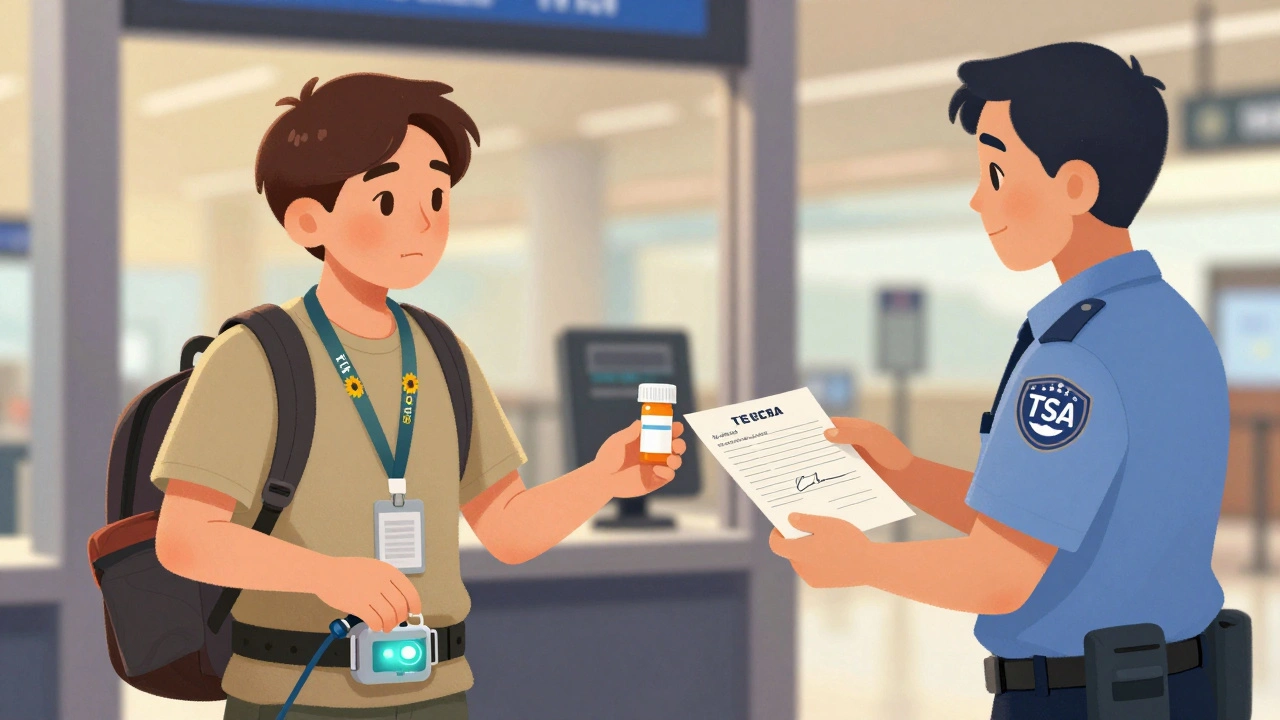
What you’ll find below are real, practical breakdowns of how these rules play out: why some drugs vanish from shelves, how state laws clash with federal ones, what happens when a generic isn’t really cheaper, and how global watchdogs track drug safety. These aren’t theory pieces—they’re guides written for people who need to understand their prescriptions, save money, or just stay safe when taking medicine across borders or under changing regulations.
-
1 Dec