Liver Cirrhosis Management: Treatment, Lifestyle, and Medication Tips
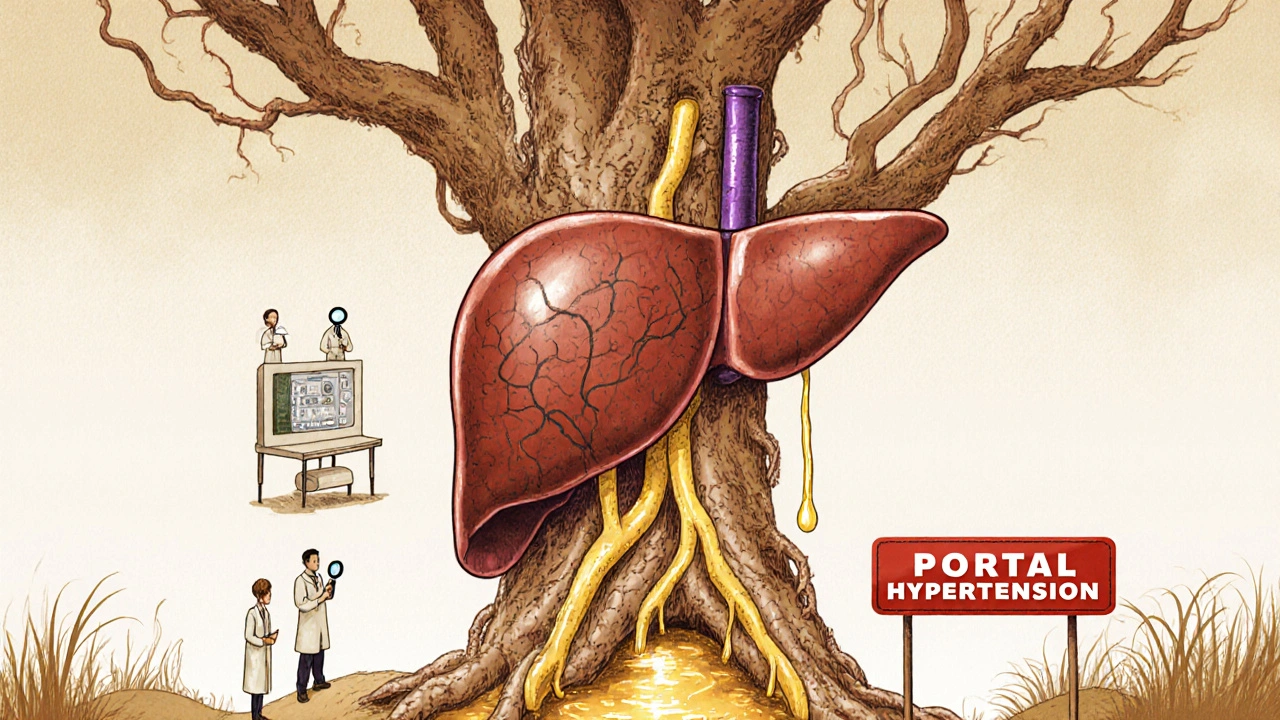
When you're dealing with liver cirrhosis, a late-stage scarring of the liver caused by long-term damage from alcohol, viruses, or fatty liver disease. Also known as end-stage liver disease, it doesn't reverse—but with the right approach, you can stop it from getting worse and live well for years. This isn't about miracle cures. It's about daily choices that protect what's left of your liver and prevent dangerous complications.
Medication adherence, taking your drugs exactly as prescribed, even when you feel fine is one of the biggest factors in slowing cirrhosis. Many people skip doses because of cost, side effects, or just forgetting—but every missed pill adds up. High drug prices can make this harder, and that’s why programs exist to help you get your meds for free or low cost. Your liver doesn’t care how busy you are—it only responds to consistent treatment.
Fluid retention, swelling in the legs and belly from liver failure is common and uncomfortable. It’s not just about drinking less water—it’s about managing sodium, taking diuretics correctly, and knowing when swelling means trouble. Too much salt? Your body holds water. Miss a diuretic? Fluid builds up fast. This isn’t guesswork. It’s a system you learn to control.
People with cirrhosis often develop other issues—like muscle loss, confusion from toxins, or bleeding from swollen veins. These aren’t random. They’re direct results of your liver not doing its job. That’s why management isn’t just about one drug or one diet. It’s about linking everything: what you eat, what you take, how you sleep, and how often you get checked. A simple change—like swapping out a salty snack for fruit—can reduce pressure on your liver. Skipping alcohol isn’t optional. It’s non-negotiable.
You don’t need to be perfect. You just need to be consistent. Small wins matter. Taking your pills on time. Weighing yourself every morning. Calling your doctor when your ankles swell more than usual. These aren’t chores—they’re lifelines. And you’re not alone. Thousands of people manage cirrhosis every day by focusing on what they can control.
Below, you’ll find real, practical advice from people who’ve been there. From how to afford your meds to why some supplements can hurt more than help, these posts cut through the noise. No fluff. No hype. Just what works.
-
19 Nov
- Recent
- Popular