
15
Dec
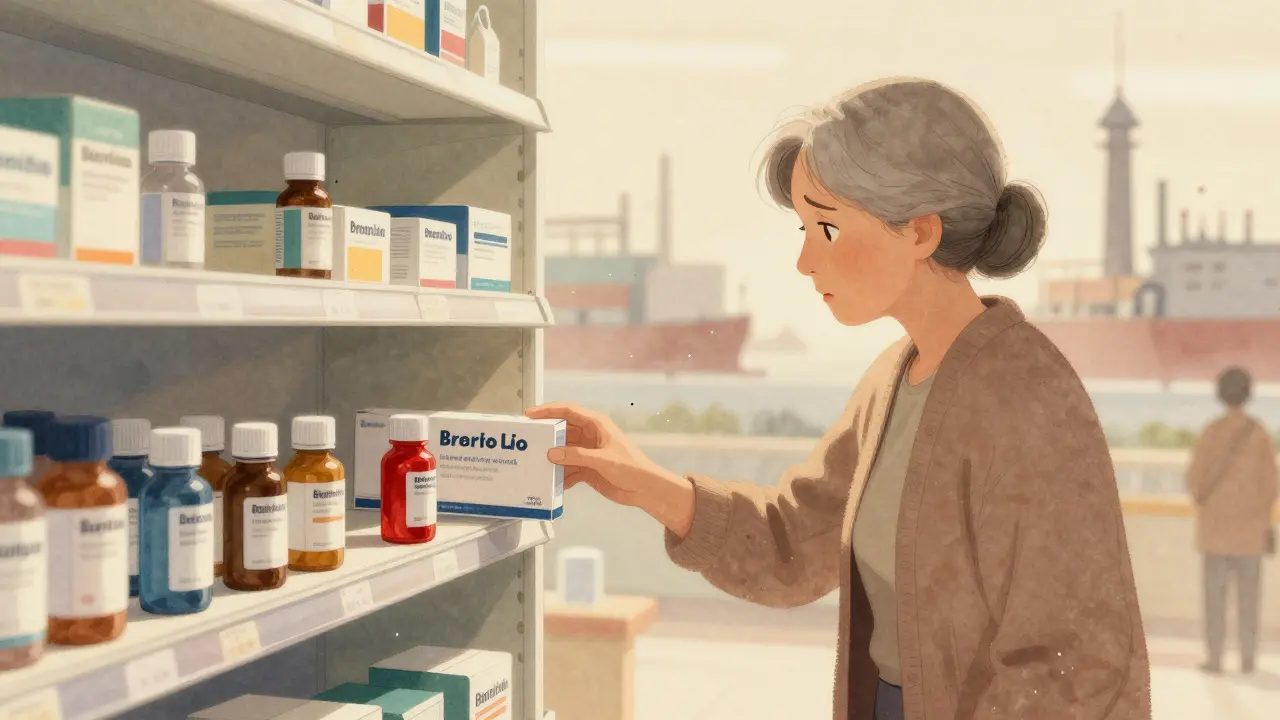
When the pandemic hit in early 2020, most people worried about masks, ventilators, and hospital beds. But behind the scenes, something just as dangerous was unfolding: drug shortages. Insulin, antibiotics, blood pressure pills, even basic painkillers - they started disappearing from pharmacy shelves. At the same time, people who used drugs illegally faced a different kind of crisis: their supply became more deadly. The pandemic didn’t just spread a virus - it broke the system that keeps medicines flowing.
Why Did Medications Vanish So Fast?
The problem wasn’t that factories shut down overnight. It was that the global supply chain for drugs was built on thin threads. Most of the active ingredients in pills - the actual medicine - came from just two countries: China and India. When lockdowns hit those regions, production slowed. Shipping containers sat idle at ports. Workers got sick. Suddenly, the raw materials for common medications couldn’t reach U.S. and Australian pharmacies. A major study in JAMA Network Open found that between February and April 2020, nearly one in three drug supply reports turned into actual shortages. That’s 34% of drugs with reported issues becoming hard to find. Some of the hardest-hit drugs were the ones used in hospitals - sedatives for ICU patients, antibiotics for infections, and even the drugs used to intubate people on ventilators. Hospitals scrambled. Doctors had to switch to less effective alternatives or stretch doses further than they ever should have. By May 2020, things started to calm down. Why? Because the FDA stepped in. They started pushing manufacturers harder, fast-tracking inspections, and demanding better communication. The crisis didn’t disappear, but the worst of it passed. Still, the damage was done. People with chronic conditions like diabetes or heart disease went weeks without their usual meds. Some rationed pills. Others turned to online pharmacies with no quality control. A single missed dose of blood pressure medication can lead to a stroke. That’s not a hypothetical risk - it happened to thousands.The Illicit Drug Market Got More Dangerous
While hospitals fought over antibiotics, another crisis was brewing on the streets. The illegal drug market didn’t collapse - it changed. With borders closed and traditional smuggling routes disrupted, traffickers started cutting drugs with stronger, cheaper, and deadlier substances. Fentanyl, a synthetic opioid 50 times stronger than heroin, became the go-to additive. It’s cheap to make, easy to transport, and terrifyingly potent. People who used drugs didn’t know what they were getting anymore. A Reddit user from June 2020 wrote: “The street supply got weird after lockdowns started - people were getting knocked out by doses that used to be normal. Turned out to be fentanyl-laced.” That wasn’t an isolated story. In states like West Virginia, Kentucky, and Tennessee, overdose deaths jumped more than 50% in a single year. The CDC reported nearly 100,000 overdose deaths between May 2020 and April 2021 - up from 77,000 the year before. That’s a 31% increase in just 12 months. Why did this happen? It wasn’t just about supply. Lockdowns destroyed the social safety nets that kept people alive. Needle exchanges closed. Support groups moved online - if people had internet. Many people with addiction lost their jobs, their housing, their connections. Without those human touchpoints - the group meetings, the peer counselors, the harm reduction workers - relapse became more likely. And when you relapse after a break, your tolerance drops. You take the same dose you used to, and you overdose.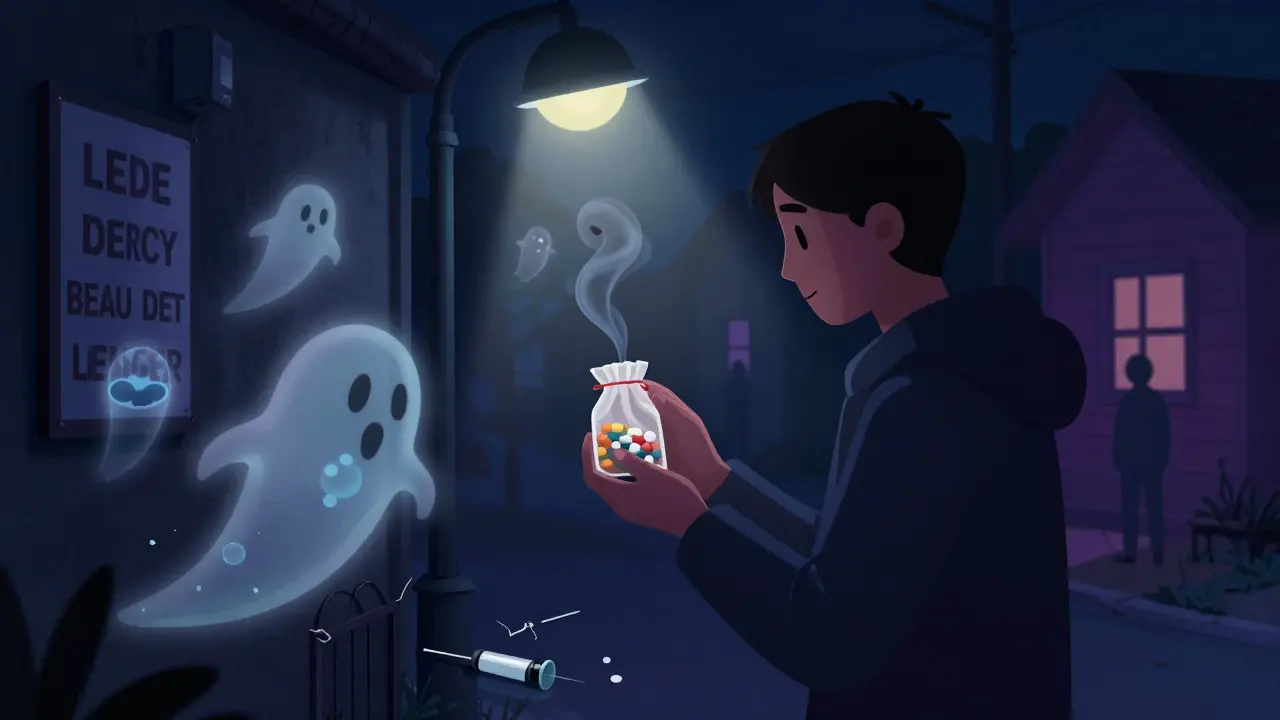
Telehealth Helped Some - But Left Others Behind
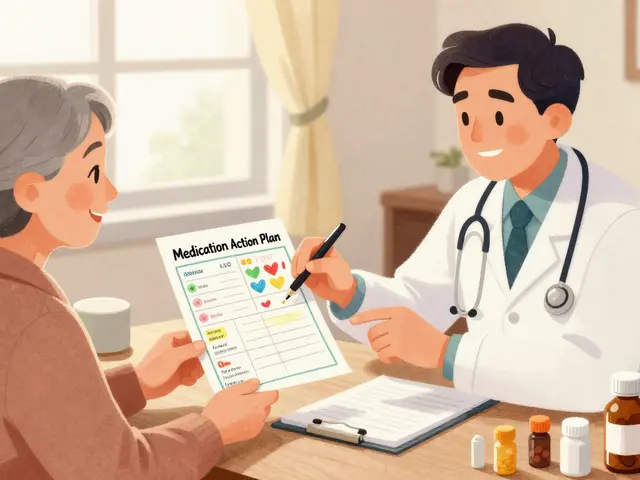
One of the few bright spots was the sudden rise of telehealth for addiction treatment. Before the pandemic, getting a prescription for buprenorphine - a life-saving medication for opioid use disorder - usually meant in-person visits every week. During the pandemic, the government allowed doctors to prescribe it over video calls. In just two months, telehealth prescriptions for buprenorphine jumped from 13% to 95% of all prescriptions. For people in rural areas or without transportation, this was a game-changer. One woman in rural Queensland told her doctor she hadn’t been able to get to her clinic in six months. After switching to telehealth, she started taking her medication regularly again. But not everyone benefited. Older adults struggled with Zoom. People without smartphones or stable Wi-Fi were left out. One harm reduction worker in Brisbane said, “We had a guy who came to the clinic every day for his methadone. He didn’t own a phone. We couldn’t reach him. We didn’t know if he was alive until he showed up three weeks later.” Even when telehealth worked, other services vanished. Needle exchange programs cut hours. Supervised consumption sites shut down. In Philadelphia, one program reported a 40% drop in services during the first lockdown. That meant more shared needles, more infections, more deaths.What’s Still Broken Today?
The good news? Drug shortages for essential medicines have mostly returned to pre-pandemic levels. The bad news? The system is still fragile. The same supply chain that failed in 2020 hasn’t been fixed. The U.S. still imports 80% of its active pharmaceutical ingredients from overseas. Companies still cut corners to save a few cents per pill. And the economic pressure to keep drug prices low means manufacturers won’t stockpile extra supply - even though we now know how dangerous that is. Meanwhile, the overdose crisis hasn’t slowed. In 2022, over 107,000 people died of drug overdoses in the U.S. alone. Fentanyl is now found in almost every major drug - cocaine, meth, even fake prescription pills sold as oxycodone. People don’t even know they’re taking it until it’s too late. And the mental health toll? It’s still climbing. People who lost jobs, loved ones, or stability during the pandemic are still struggling. Many didn’t get treatment. Now, years later, they’re using drugs to cope. The system isn’t ready for this wave.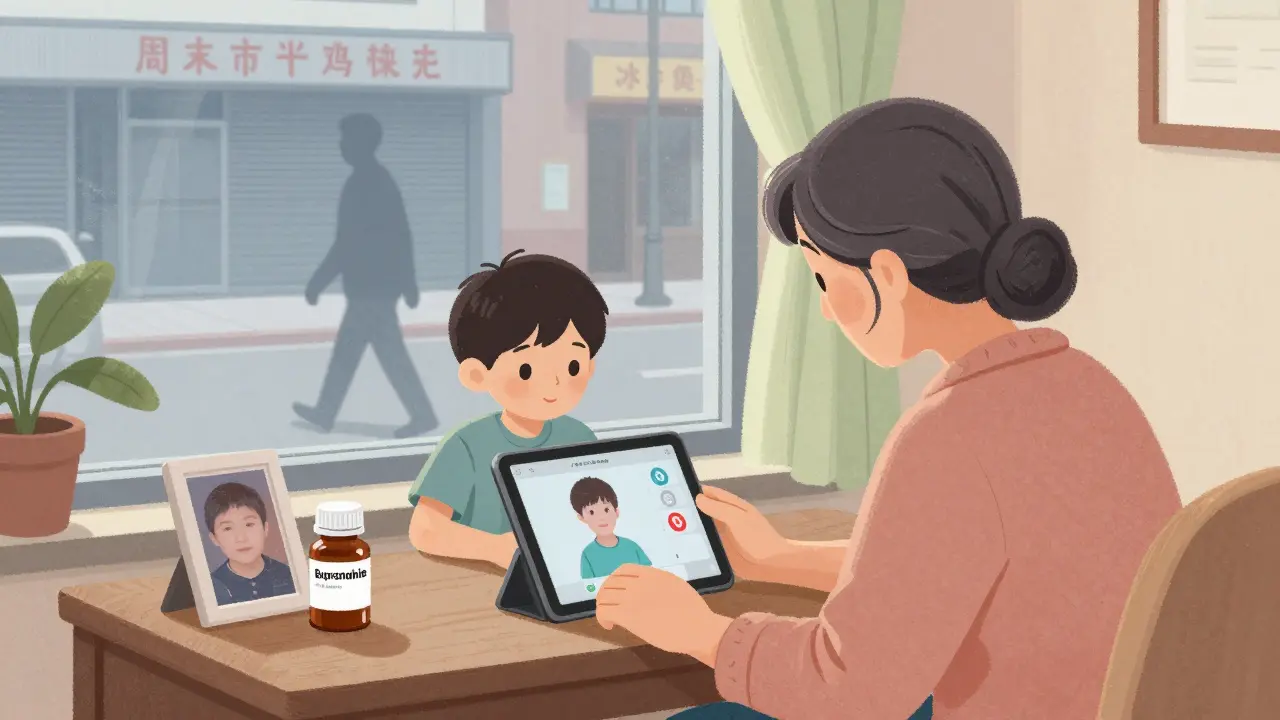
Dave Alponvyr
December 15, 2025 AT 14:32So we spent 3 years panicking about masks but never fixed the fact that we depend on China for our heart meds? Brilliant.
Kim Hines
December 17, 2025 AT 14:22I know someone who ran out of insulin for 11 days. She rationed it. She’s fine now. But she won’t talk about it.
Arun ana
December 17, 2025 AT 21:54India and China making most of our meds? That’s like depending on one bakery for all your bread. One fire, and everyone’s hungry. 😔
Dan Padgett
December 19, 2025 AT 18:44Back home in Nigeria, we’ve been living this for decades. No shortages because no one ever had it to begin with. The pandemic just made the rich notice the cracks. We’ve been crawling through them for years.
They call it a crisis when it hits their pharmacy. We call it Tuesday.
Ron Williams
December 20, 2025 AT 17:47My cousin in rural Kentucky got her buprenorphine via Zoom. She said it was the first time in 5 years she didn’t miss a dose. But her neighbor, who doesn’t own a phone, just vanished for months. We found him alive but sick. No one knew.
Telehealth saved lives. But only if you had Wi-Fi, a phone, and someone who could help you click ‘join meeting’.
Cassandra Collins
December 22, 2025 AT 11:24They say fentanyl is everywhere now but I know the truth - the CDC and Big Pharma are pushing it to make people dependent on naloxone and make billions. They want you scared so you’ll take their pills. The government let this happen on purpose. You think that’s a coincidence?
They shut down needle exchanges and then blamed addicts. Classic. They want you to die quietly so they can sell you more ‘treatment’.
Joanna Ebizie
December 22, 2025 AT 21:32People who use drugs are just lazy. If they really wanted to quit, they’d quit. Why should we spend billions fixing their bad choices? I work two jobs and I don’t get free meds.
Dylan Smith
December 23, 2025 AT 15:35My dad’s on blood pressure meds and he ran out in April 2020. He went three weeks without it. He didn’t tell anyone. He didn’t want to be a burden. He had a mild stroke. They didn’t even call it a shortage. They called it ‘temporary supply delay’.
That’s not a delay. That’s negligence. We treat heart disease like it’s optional. We treat addiction like it’s a moral failure. We treat medicine like it’s a luxury. We’re not broken. We’re cruel.
Souhardya Paul
December 25, 2025 AT 06:01What’s wild is how fast we adapted when we had to. Telehealth prescriptions jumped from 13% to 95% in two months. That proves we can move fast when lives are on the line. So why didn’t we do the same for domestic manufacturing? Why did we wait for people to die before we acted?
We’re not out of the woods. The supply chain is still a house of cards. And fentanyl? It’s not just in heroin anymore. It’s in fake Adderall. In Xanax. In pills that look like M&Ms. Parents don’t even know what they’re giving their kids.
We need to stop pretending this is about ‘choice’. It’s about access. It’s about equity. It’s about whether your zip code decides if you live or die.
Elizabeth Bauman
December 26, 2025 AT 03:04China and India are stealing our medicine supply. We let them take our factories, our jobs, our pills. Now we’re paying with lives. This isn’t globalization - it’s surrender. We need to ban all foreign pharmaceutical imports until we rebuild our own supply. America First. Medicine First.
Why are we letting foreign governments control our health? We built the atomic bomb. We landed on the moon. We can make our own pills. We just need the will. And the will is here - we just need to stop being weak.
Kitty Price
December 26, 2025 AT 20:11My mom used to work in a pharmacy. She said in 2020, people were trading insulin like gold. One guy offered his TV for a vial. She cried every night.
And the worst part? No one asked why.
Hadi Santoso
December 27, 2025 AT 04:26just got my buprenorphine via telehealth last week. i’ve been clean 11 months. i used to drive 2 hours to the clinic. now i do it from my couch. my dog even sits with me during the call. it’s not perfect but it’s something. we need this to stay.
also - naloxone is free at my library. i carry two. if you don’t, you’re playing russian roulette with your friend’s life.
Mike Smith
December 28, 2025 AT 00:24As a healthcare administrator, I can confirm: the supply chain vulnerabilities exposed in 2020 were known for decades. The cost-cutting measures were deliberate. The lack of strategic stockpiles was policy. We prioritized quarterly profits over patient safety. That is not an accident. It is a failure of leadership.
Rebuilding domestic manufacturing requires investment, not just rhetoric. We must incentivize production through tax credits, guaranteed contracts, and public-private partnerships. We must treat pharmaceuticals as critical infrastructure - like power grids and water systems.
And we must decriminalize substance use. Every life lost to overdose is a policy failure. Harm reduction is not enabling. It is humanity.
Let us not wait for the next crisis to act. The blueprint exists. We need the courage to follow it.
Josias Ariel Mahlangu
December 29, 2025 AT 23:09People who use drugs deserve what they get. Lockdowns were a mercy. If they died, it was their fault for being weak. Why should society pay for their choices?