Medication Storage While Traveling: Keep Your Pills Safe and Effective
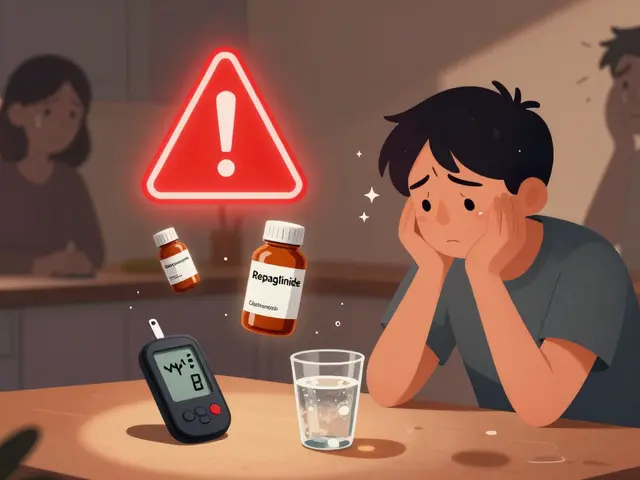
When you’re on the road, your medication storage while traveling, how you keep your pills protected from heat, moisture, and loss during trips isn’t just about convenience—it’s about safety. A pill left in a hot car or dumped in your suitcase without protection can lose its strength, break down, or even become dangerous. This isn’t theoretical. The FDA has documented cases where insulin and nitroglycerin failed after exposure to high temperatures during travel. You don’t need a science degree to get this right—you just need to know what to avoid.
Think about your meds like perishable food. drug temperature sensitivity, how heat, cold, or humidity can alter a medication’s chemical structure matters more than most people realize. Liquid antibiotics, thyroid pills, and epinephrine auto-injectors can all degrade if they get too hot. Even your daily blood pressure pill might not work as well if it’s been sitting in a glove compartment for hours. And don’t assume your hotel fridge is safe—some don’t stay cold enough, and others freeze things on the back shelf. A small insulated bag with a cool pack is cheaper than a new prescription.
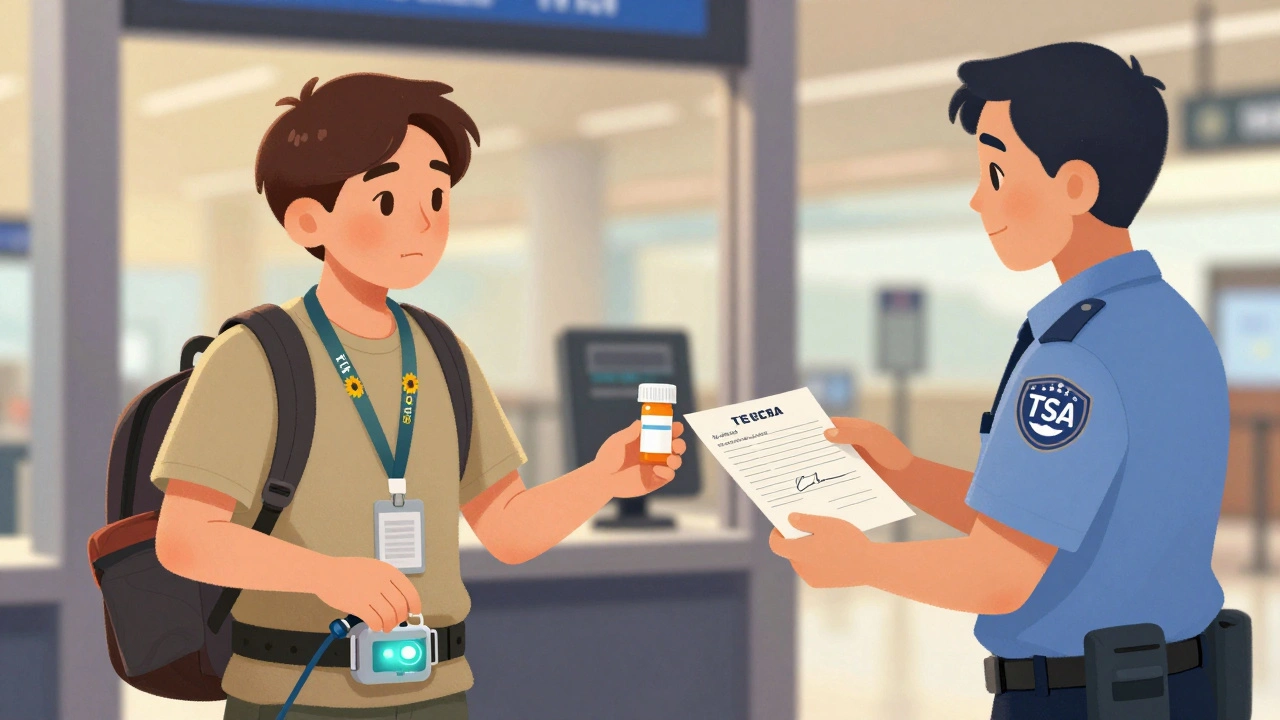
Then there’s the TSA medication rules, how airport security handles prescription drugs in carry-ons and checked bags. You don’t need to keep pills in original bottles for domestic flights, but it helps. If you’re flying internationally, some countries require a doctor’s note—even for common meds like birth control or ibuprofen. A pill organizer is great for daily use, but don’t pack your whole month’s supply in one. Always carry a backup in your carry-on, and keep a list of your meds, dosages, and why you take them. It saves time if you get pulled aside, and it could save your life if you end up in an ER abroad.
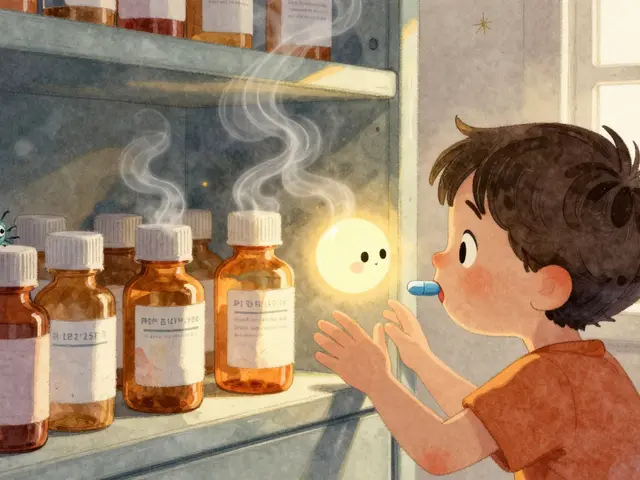
People forget one thing: humidity. Bathrooms are the worst place to store pills—even at home, let alone in a hotel room after a shower. Moisture turns tablets into mush and makes capsules stick together. Keep your meds in a dry, cool spot—like a zip-top bag inside your suitcase, away from the bathroom. And if you’re going somewhere hot, like a beach resort or desert trip, pack extra. Heat doesn’t just weaken pills—it can create harmful byproducts. One study showed that some asthma inhalers lost up to 30% of their potency after just two weeks in 95°F heat.
Bottom line: your meds aren’t just things you carry. They’re part of your health plan. Whether you’re flying across the country or driving to a cabin in the woods, treating your pills with care means they’ll treat you right. Below, you’ll find real advice from people who’ve dealt with expired insulin on a road trip, lost prescriptions at customs, and figured out how to keep their heart meds stable in 100-degree weather. No fluff. Just what works.
-
1 Dec