Medication Reconciliation: What It Is and Why It Saves Lives
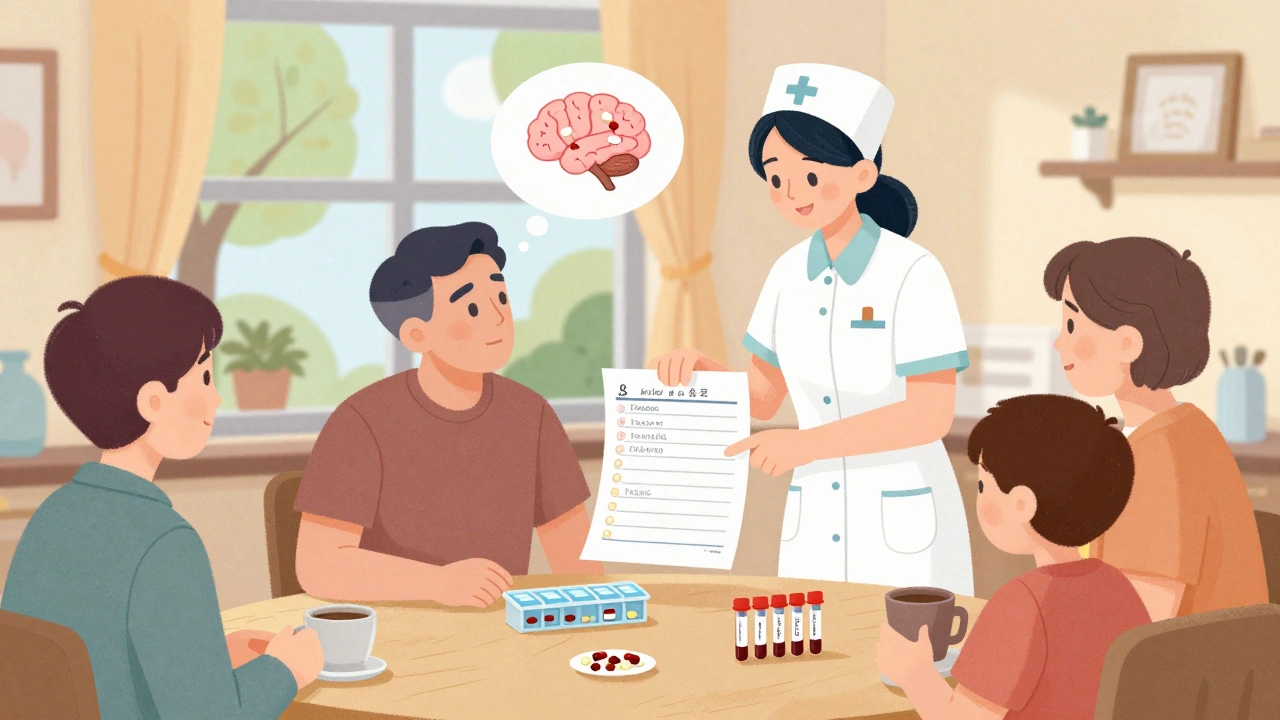
When you’re discharged from the hospital or switch doctors, medication reconciliation, the process of comparing all your current medications with new prescriptions to catch mistakes. Also known as drug reconciliation, it’s not just paperwork—it’s a safety net that stops deadly errors before they happen. Think about it: you might be taking five pills at home, then get added to three more in the hospital, and later have two taken away. Without someone sitting down and checking every single one, you could end up with duplicates, dangerous interactions, or missing critical drugs.
This is where pharmacists, trained experts who specialize in drug safety and interactions play a key role. They don’t just fill prescriptions—they audit your whole list. They spot when a beta-blocker prescribed for high blood pressure clashes with your asthma inhaler, or when an antibiotic wipes out the good bacteria your probiotics are trying to rebuild. And it’s not just hospitals. hospital discharge, the moment you leave after treatment is the most dangerous time for medication errors. A 2023 study found nearly 1 in 5 patients got a wrong dose or missed drug during this transition.
Medication reconciliation isn’t about fancy tech or complicated forms. It’s about asking the right questions: What are you really taking? Why? When did you last take it? Did your doctor change anything? It’s why medication reconciliation shows up in posts about restarting opioids after a break, managing Medicare Part D gaps, or even traveling with prescriptions. If you’re on chronic meds—for thyroid, liver disease, or autoimmune conditions—getting this right can mean the difference between stability and a hospital trip.
And it’s not just for older adults. Anyone on multiple drugs—whether it’s antidepressants, pain meds, or diabetes pills—needs this check. Even if you think you know your own meds, memory fails. Pills look alike. Names change. Pharmacies switch generics. That’s why the best systems involve the patient, the pharmacist, and the doctor all on the same page. You’re not just a patient. You’re the most important part of the checklist.
Below, you’ll find real stories and practical guides on how medication errors happen, how to prevent them, and what to ask your doctor or pharmacist before you leave the clinic. From generic substitution laws to avoiding overdose after a break, these posts show how medication reconciliation isn’t a one-time task—it’s a habit that keeps you safe every day.
-
7 Dec
- Recent
- Popular