Menthol Burn Risk: What You Need to Know Before Using It
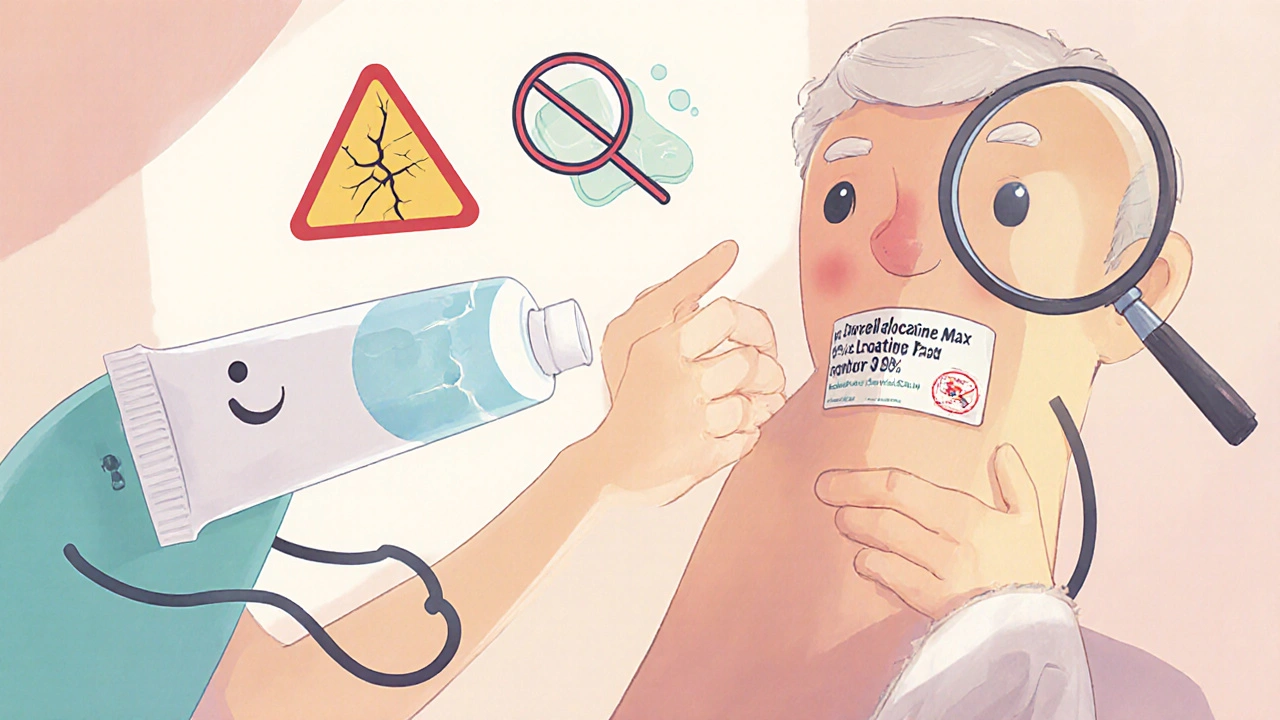
When you feel that cool, tingling sensation from a cream, patch, or vapor rub, you’re experiencing menthol, a natural compound derived from mint plants that triggers cold receptors in the skin. Also known as L-menthol, it’s used in everything from cough drops to muscle rubs—but it’s not harmless. Too much, too often, or applied to damaged skin, and menthol can cause chemical burns, blistering, or severe irritation. This isn’t rare. Emergency rooms see cases every year from people using menthol products the wrong way.
Menthol doesn’t actually cool your skin—it tricks your nerves into thinking it’s cold. That’s why it’s popular in pain relief creams. But if you have thin skin, open wounds, or are using it with other topical drugs like NSAIDs or steroids, that nerve trick can go wrong. People with diabetes or neuropathy often don’t feel the burn until it’s too late. And if you’re using menthol patches with heating pads or tight clothing? The risk spikes. Studies show menthol-induced burns are more common in older adults and those on multiple medications, especially when they mix OTC products without knowing the ingredients.
The real danger isn’t just the burn—it’s the delay in recognizing it. Many assume the tingling is normal. But if your skin turns red, feels numb, or starts peeling hours later, it’s not just a reaction—it’s tissue damage. Some cases need skin grafts. And if you’re using menthol with a prescription pain patch or nerve medication, the interaction can make burns worse. It’s not just about dosage—it’s about where, when, and how you use it.
Who’s Most at Risk?
People with sensitive skin, older adults, and those with nerve conditions are the most vulnerable. But it’s not just about age or health. Using menthol products after a shower, on sunburned skin, or over large areas increases absorption. Even kids can get burned from adult-strength balms. And if you’re using menthol with any product that contains alcohol, camphor, or eucalyptus, the risk multiplies. These combinations aren’t listed on labels, but they’re common in multi-ingredient remedies.
What you’ll find below are real, practical guides on how to spot early signs of irritation, how to safely use menthol-containing products, and what to do if you’ve already damaged your skin. You’ll also see how other medications—like those for nerve pain, circulation, or skin conditions—can interact with menthol. No fluff. Just clear, actionable info from people who’ve been there.
-
23 Nov
- Recent
- Popular