Opioid Restart: What It Means, Why It Happens, and How to Stay Safe
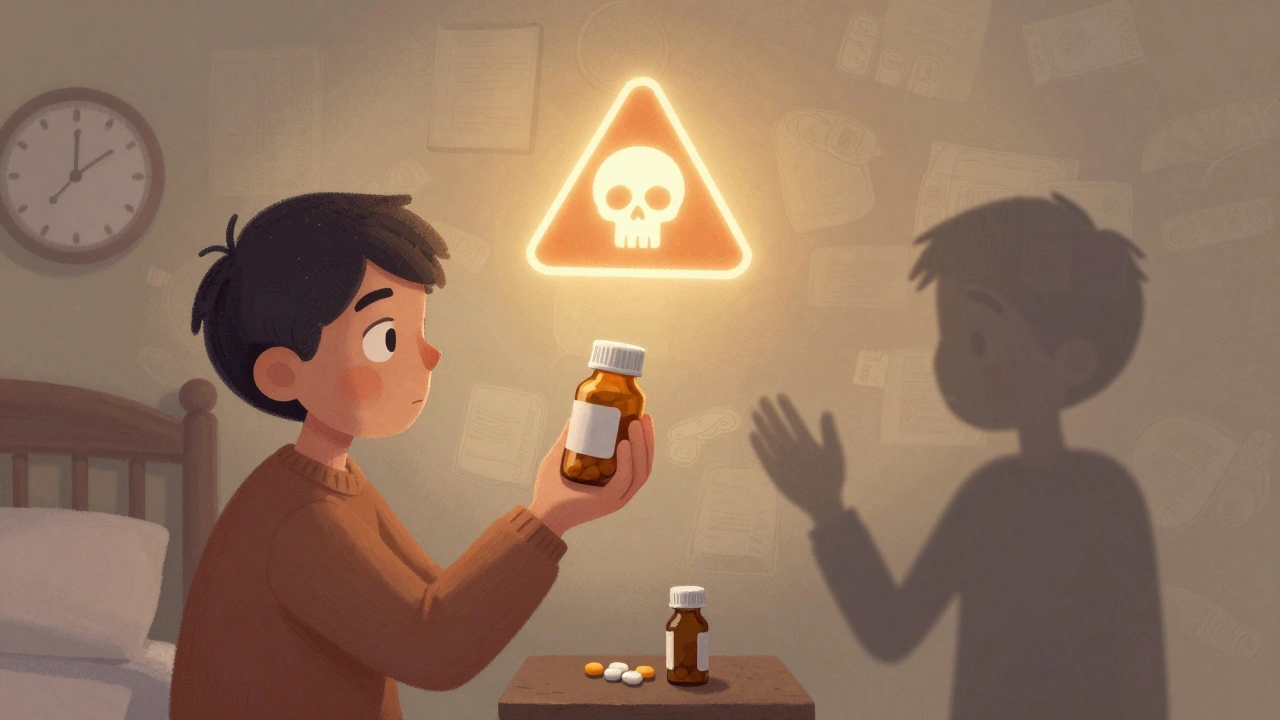
When someone talks about an opioid restart, the act of resuming opioid use after a period of stopping, often after treatment or abstinence. Also known as opioid relapse, it’s not a failure—it’s a common part of managing opioid dependence for many people. This isn’t about casual use. It’s about someone who’s tried to quit—maybe after an overdose, rehab, or a doctor’s warning—and then finds themselves using again. The reasons are rarely simple: pain returns, anxiety spikes, or the brain’s reward system still craves the chemical shift opioids create.
One major reason opioid restart happens is opioid withdrawal, the physical and emotional symptoms that occur when someone stops using opioids after regular use. Symptoms like muscle aches, nausea, insomnia, and intense cravings can last days or weeks. Without proper support, these become unbearable. Many restart not because they want to, but because they feel they can’t endure the discomfort. That’s why medication-assisted treatment, using FDA-approved drugs like methadone, buprenorphine, or naltrexone to reduce cravings and withdrawal is so critical. These aren’t substitutes—they’re tools that help the brain heal while therapy and lifestyle changes take root.
It’s also important to understand that opioid dependence, a physical adaptation to regular opioid use that leads to withdrawal when stopped isn’t the same as addiction. Dependence can happen even when taking opioids exactly as prescribed. Addiction involves loss of control, continued use despite harm, and compulsive behavior. Many people restart opioids because they’re still dealing with chronic pain—something no one talks about enough. The system often pushes abstinence without offering real alternatives. That’s why seeing a doctor who understands pain management, not just addiction, can change everything.
And let’s not ignore the role of opioid side effects, predictable reactions like constipation, drowsiness, and nausea that often lead people to stop taking them. If you’re on opioids for pain and you’re constipated all the time, or too drowsy to work or care for your kids, it’s easy to quit cold turkey. But quitting without a plan is dangerous. That’s where knowing what to expect matters. Most side effects can be managed—laxatives for constipation, timing doses to avoid drowsiness, switching to a different opioid if needed. You don’t have to suffer in silence.
What you’ll find in the posts below isn’t theory. It’s real advice from people who’ve been there, and experts who’ve seen it happen. You’ll learn how to recognize the warning signs before a restart, what treatments actually work after a relapse, how to talk to your doctor without shame, and why some medications help more than others. You’ll also see how common side effects like constipation and drowsiness are tied to why people quit—and how to fix them before they push you back to the pills. This isn’t about judgment. It’s about survival. And there’s a path forward—even if you’ve tried before.
-
4 Dec
- Recent
- Popular