ADPKD: What It Is, How It’s Managed, and What You Need to Know
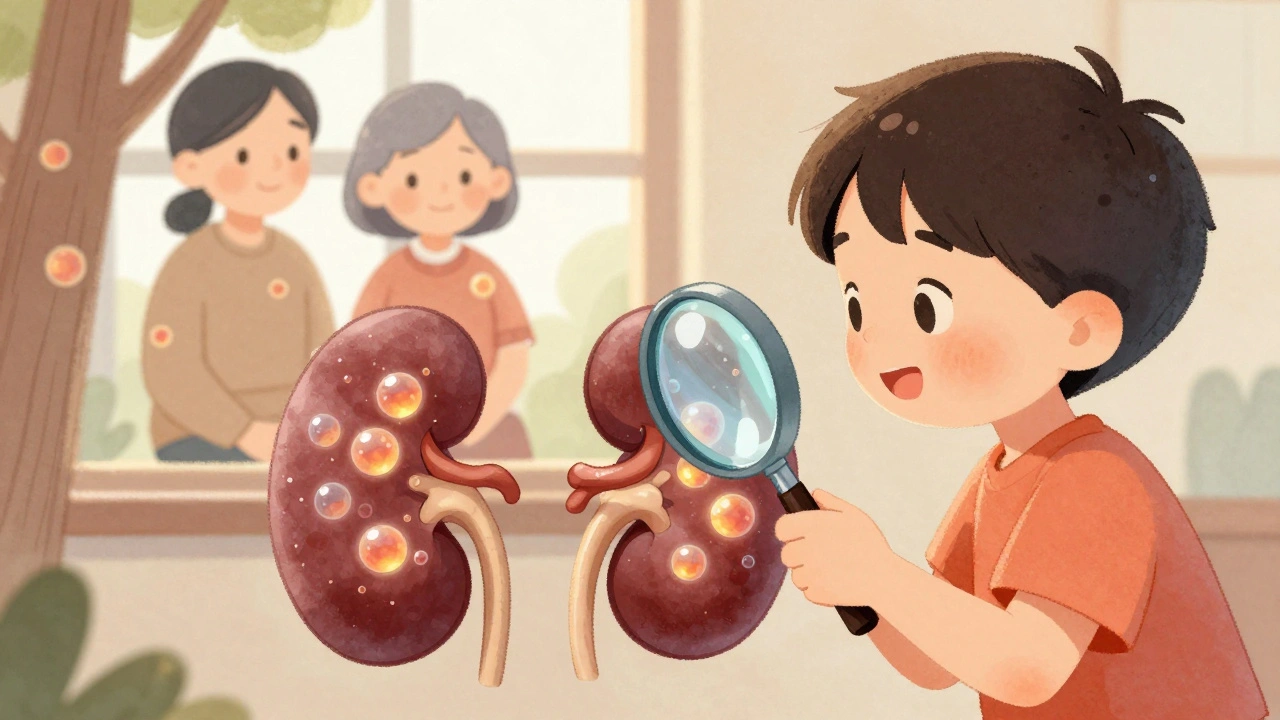
When you hear ADPKD, Autosomal Dominant Polycystic Kidney Disease, a genetic condition where fluid-filled cysts grow in the kidneys and slowly destroy their function. Also known as polycystic kidney disease, it affects about 1 in 400 to 1 in 1,000 people worldwide—many don’t know they have it until their 30s or 40s. Unlike random kidney problems, ADPKD runs in families. If one parent has it, each child has a 50% chance of inheriting it. The cysts start small but grow over decades, pushing out healthy tissue and raising blood pressure, which speeds up damage.
ADPKD doesn’t just affect the kidneys. Cysts can form in the liver, pancreas, and even the heart and brain. That’s why people with ADPKD often get screened for brain aneurysms, especially if there’s a family history of ruptures. Managing this condition isn’t about curing it—it’s about slowing it down. Blood pressure control is the #1 thing you can do. Medications like ACE inhibitors or ARBs aren’t just for high blood pressure—they directly protect kidney function in ADPKD. Tolvaptan, a newer drug approved for ADPKD, slows cyst growth by targeting the body’s water balance, but it’s not for everyone due to side effects like extreme thirst and liver stress.
People with ADPKD often end up on dialysis or need a transplant by their 50s or 60s, but many live full lives for decades before that. What matters most is catching it early, monitoring kidney function with regular blood and urine tests, and avoiding things that hurt the kidneys—like NSAIDs, dehydration, and high-salt diets. Diet and lifestyle changes don’t cure ADPKD, but they can buy you years. A low-sodium, moderate-protein diet helps. Staying hydrated keeps cysts from growing as fast. And avoiding smoking? That’s non-negotiable.
There’s no magic pill, but science is moving fast. New drugs are in trials, and gene therapies are starting to show promise. Right now, the best tools you have are awareness, monitoring, and sticking with your treatment plan. The posts below cover real-world issues people with ADPKD face: how to handle medication costs, what side effects to watch for, how to talk to your doctor about treatment options, and how to stay on track when life gets busy. Whether you’re newly diagnosed or have lived with ADPKD for years, these guides give you the practical info you need—not just the theory.
-
1 Dec
- Recent
- Popular