ARPKD: What It Is, How It’s Managed, and What You Need to Know
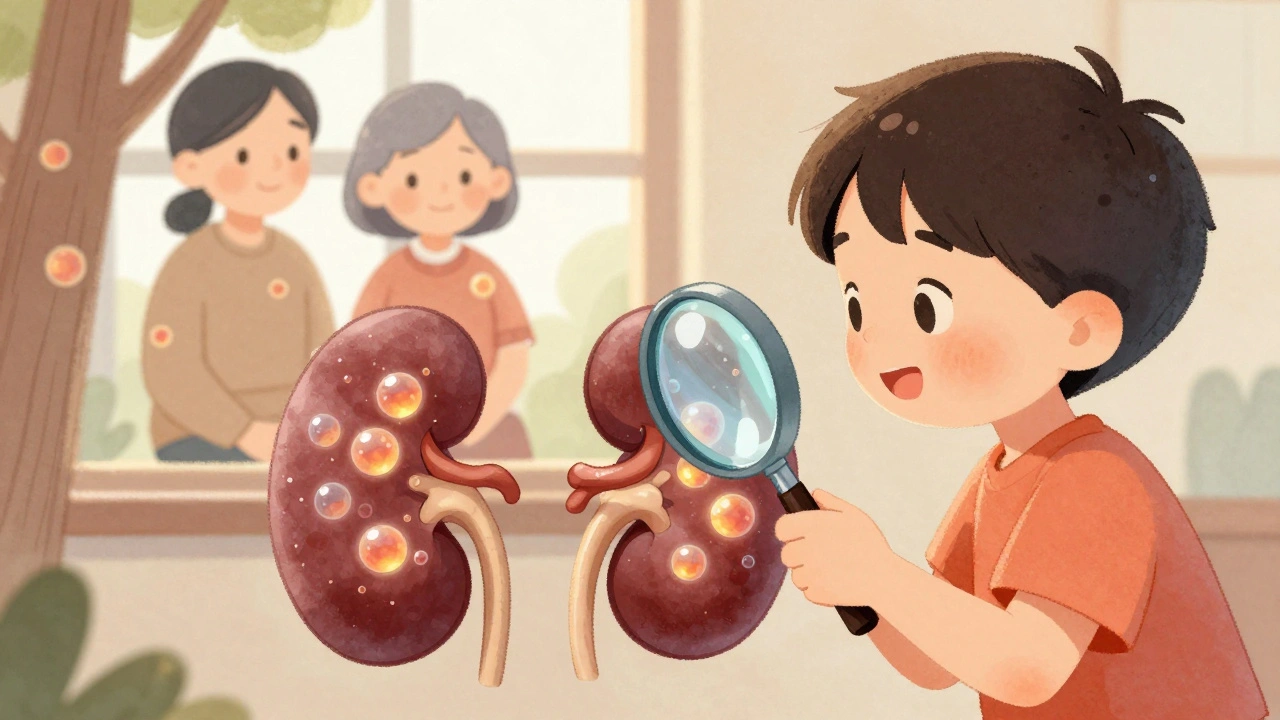
When we talk about ARPKD, Autosomal Recessive Polycystic Kidney Disease, a rare inherited condition that causes cysts to form in the kidneys and liver from birth. It’s not the same as the more common adult version of polycystic kidney disease—it hits early, often before a child is even born, and can change how the whole body grows. ARPKD doesn’t just affect the kidneys. The liver gets involved too, with bile ducts thickening and scarring over time. This combo of kidney and liver trouble is what makes ARPKD unique—and why managing it isn’t just about pills or dialysis. It’s about watching growth, tracking blood pressure, and catching problems before they become emergencies.
Most kids with ARPKD show signs in the womb or right after birth. Enlarged kidneys, trouble breathing, and poor weight gain are red flags. Some babies need help breathing at birth. Others grow slowly because their kidneys can’t filter waste or balance fluids. Over time, many develop high blood pressure, which makes kidney damage worse. And while some kids do fine for years, others end up needing dialysis or a transplant by their teens. The liver side of ARPKD doesn’t always cause symptoms early, but it can lead to portal hypertension, enlarged spleen, and bleeding risks later on. This isn’t a one-organ problem. It’s a whole-system issue.
There’s no cure yet, but treatment has gotten a lot better. Blood pressure meds like ACE inhibitors are often the first line of defense. Nutrition matters—kids need the right balance of calories, protein, and electrolytes. Some need feeding tubes just to grow. And when kidneys fail, transplant is the best long-term option. Liver transplants are rare but sometimes needed if bile duct damage gets too severe. What’s new? Better imaging lets doctors spot problems earlier. Genetic testing helps families understand risks for future children. And while most research focuses on adults with PKD, the lessons are slowly trickling down to help kids with ARPKD too.
You’ll find posts here that dig into how medications are used to slow damage, what families need to know about hospital stays, and how side effects from treatments can show up months after starting them. There’s info on managing drug costs, tracking symptoms at home, and understanding when to push for specialist care. These aren’t just general guides—they’re real-world answers from people who’ve lived with ARPKD or treated kids who have it. If you’re a parent, a caregiver, or just trying to understand what this condition really means, this collection gives you the clear, no-fluff facts you need.
-
1 Dec