Autoimmune Hepatitis: Causes, Symptoms, and Treatment Options
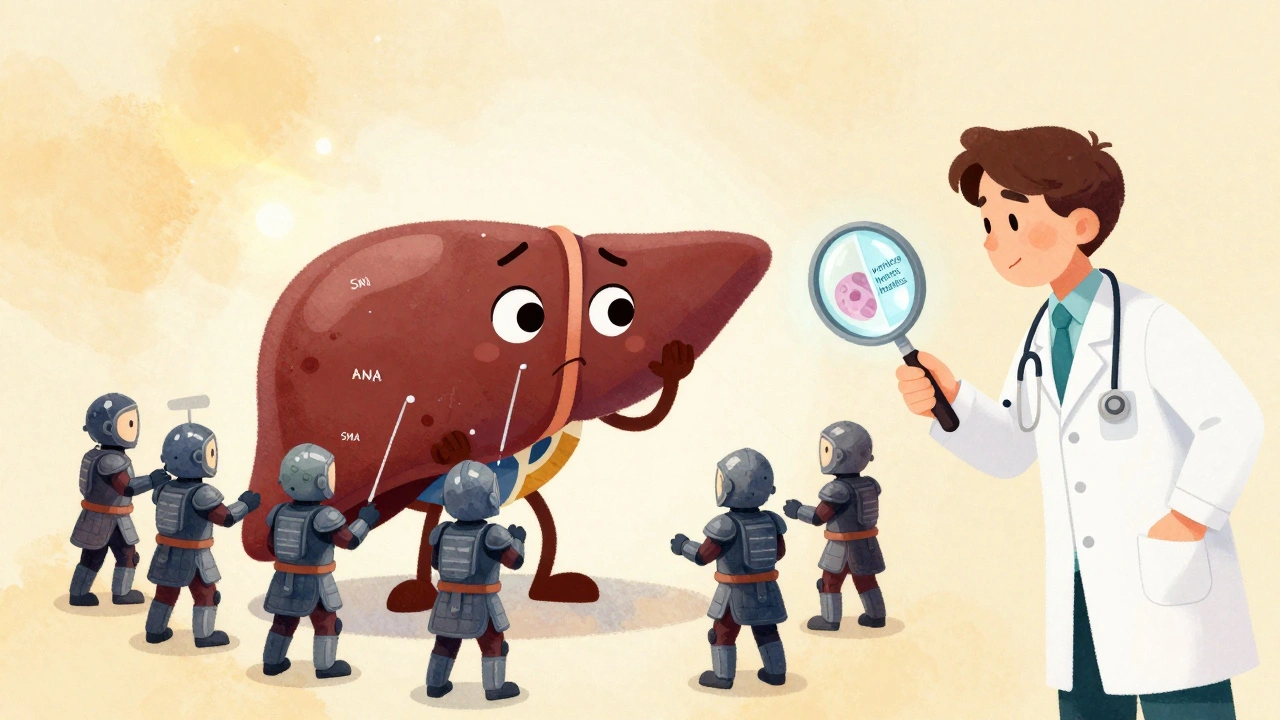
When your immune system turns against your own body, it can start attacking your liver, a vital organ that filters toxins, makes proteins, and stores energy. This is the core problem in autoimmune hepatitis, a chronic condition where the immune system mistakenly targets liver cells, causing inflammation and damage over time. Also known as AIH, it’s not caused by alcohol or viruses—it’s an internal mistake, not an external one.
Autoimmune hepatitis often shows up quietly. Fatigue, joint pain, and dark urine are early signs. Some people don’t feel anything until their liver is badly scarred. It’s more common in women and often shows up alongside other autoimmune conditions like Hashimoto’s thyroiditis, an autoimmune disorder that slows down the thyroid or type 1 diabetes. The body starts producing antibodies that attack liver tissue, and without treatment, it can lead to cirrhosis or liver failure. Unlike viral hepatitis, you can’t catch it from someone else. It’s not preventable, but it is manageable—if caught early.
Doctors diagnose it with blood tests that look for specific antibodies and elevated liver enzymes. A liver biopsy is often needed to confirm how much damage has been done. Treatment isn’t about curing it—it’s about stopping the attack. Most people take immunosuppressants, medications that calm down the overactive immune system like prednisone or azathioprine. These aren’t perfect—they come with side effects like weight gain, bone loss, or increased infection risk—but they keep the liver from getting worse. The goal isn’t just to feel better today, but to protect your liver for decades.
You’ll need regular checkups, even when you feel fine. Liver function tests, imaging, and monitoring for complications like portal hypertension or ascites are part of long-term care. Some people go into remission and stay off meds for years. Others need to stay on treatment for life. There’s no magic diet or supplement that fixes this. But what works—real, science-backed treatment—is right here in the posts below. You’ll find clear guides on how medications are used, what side effects to watch for, how to handle long-term care, and what to ask your doctor when things get complicated.
-
4 Dec
- Recent
- Popular