FDA Bioequivalence: What It Means for Generic Drugs and Your Health
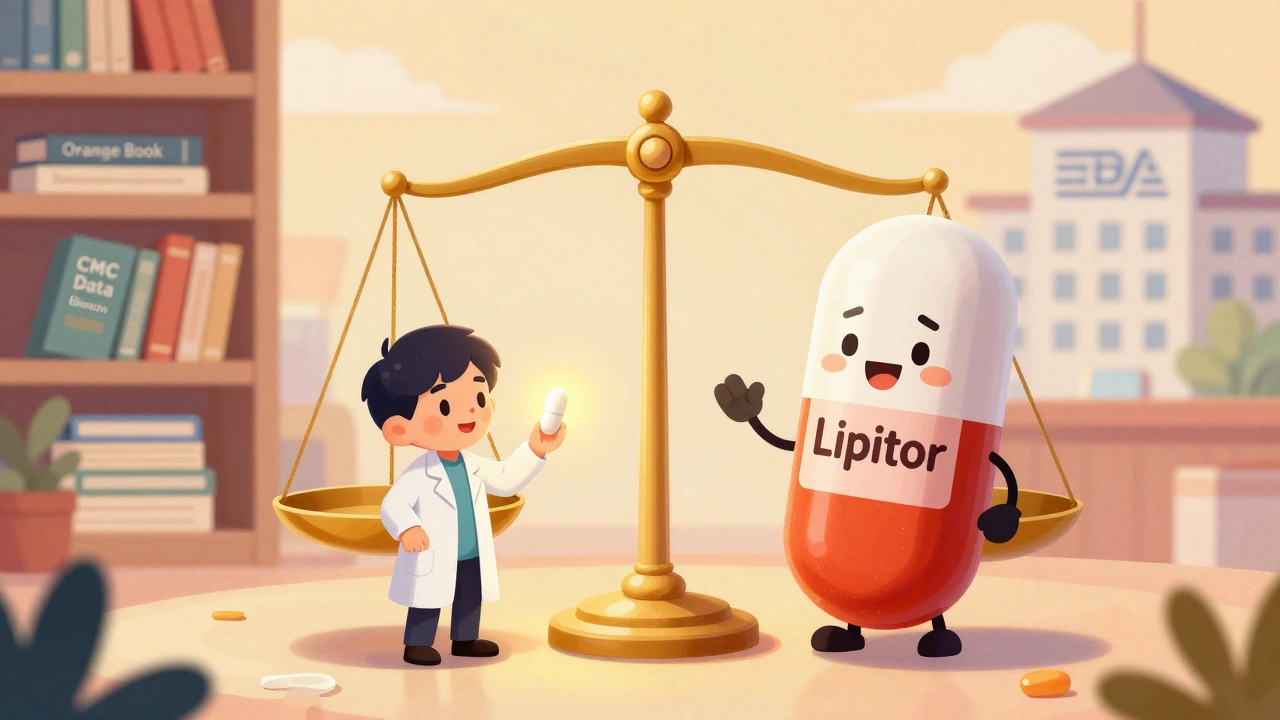
When you pick up a generic pill, you’re counting on it to work just like the brand-name version. That’s where FDA bioequivalence, a scientific standard used by the U.S. Food and Drug Administration to prove that generic drugs deliver the same amount of active ingredient at the same rate as the original. Also known as therapeutic equivalence, it’s the reason your pharmacist can legally swap your brand-name drug for a cheaper version without asking your doctor. This isn’t guesswork—it’s measured in real people, using blood tests to track how fast and how much of the drug enters your system. If the generic matches the brand within strict limits, the FDA says they’re interchangeable.
FDA bioequivalence doesn’t just apply to simple pills. It covers everything from extended-release capsules to patches and injectables. For example, if you’re on a long-acting opioid or a thyroid hormone like levothyroxine, the bioequivalence standards are even tighter because small differences can cause real side effects. That’s why some drugs, like narrow therapeutic index (NTI) medications, have special rules. The FDA doesn’t just look at peak levels—it checks the full curve of absorption over time. This is why not every generic is approved for every use, even if it contains the same active ingredient.
Behind every approved generic is a stack of data from clinical trials—usually done on healthy volunteers, not patients. The FDA reviews every study before allowing a generic on the market. You’ll find these studies referenced in the Orange Book, the official FDA list that identifies approved drug products with therapeutic equivalence evaluations. It’s public, free, and updated daily. If you’re curious whether your generic is truly equivalent, you can check it yourself. Many people assume generics are cheaper because they’re less effective, but the science says otherwise. The difference isn’t in performance—it’s in packaging, marketing, and brand name.
Some drugs, like biologics or complex formulations, don’t fit neatly into bioequivalence testing. That’s why newer alternatives like biosimilars have their own approval path. But for most everyday medications—antibiotics, blood pressure pills, antidepressants—bioequivalence is the backbone of affordable care. It’s why millions save hundreds a year without losing control of their condition. And when the FDA pulls a drug from the market, like in the case of unsafe extended-release formulations, bioequivalence data helps them spot patterns fast.
What you’ll find in the posts below isn’t just theory. It’s real-world examples: how generic substitution laws vary by state, why some pharmacies still hesitate to swap, how cost affects adherence, and what happens when bioequivalence standards aren’t met. You’ll see how these rules impact everything from workers’ compensation claims to Medicare Part D savings. No jargon. No fluff. Just what matters to your health and your wallet.
-
4 Dec
- Recent
- Popular