Generic Drug Submission: What It Is, How It Works, and Why It Matters
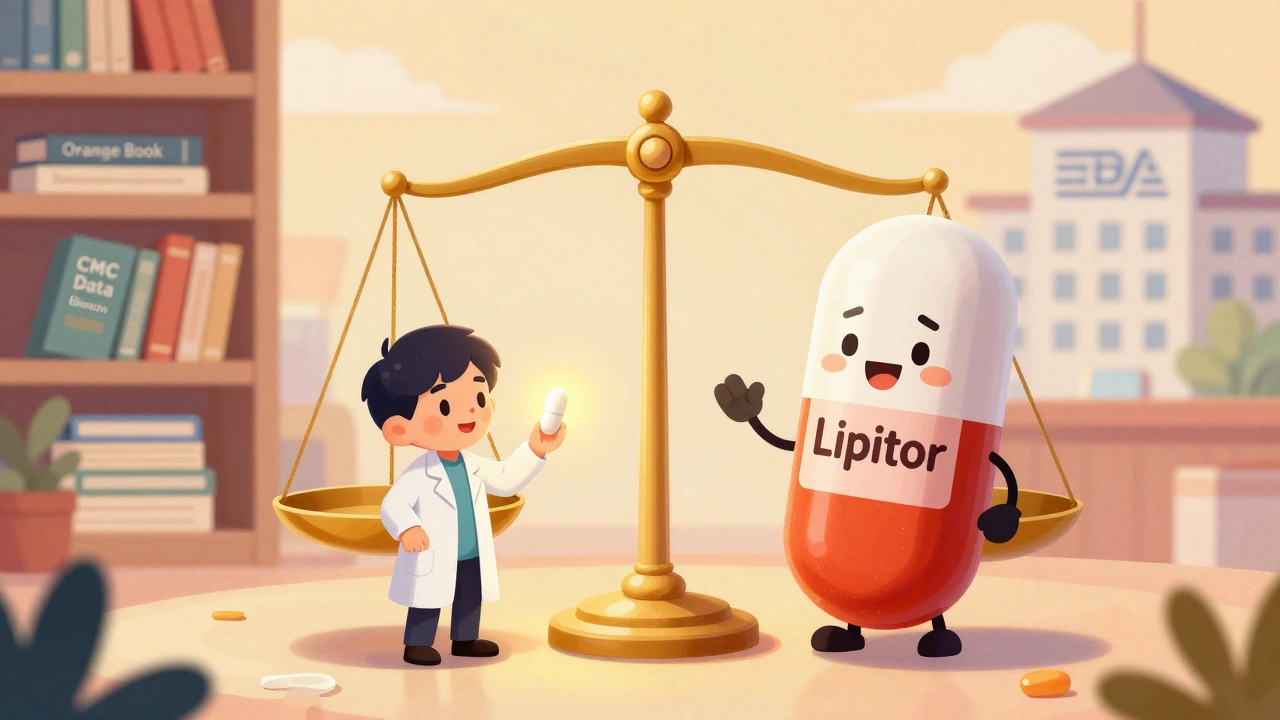
When you hear generic drug submission, the formal process by which manufacturers prove a generic version of a brand-name drug is just as safe and effective. Also known as ANDA filing, it’s the backbone of affordable medicine in the U.S. This isn’t just paperwork—it’s what lets a $200 brand pill become a $5 generic. The FDA doesn’t just accept claims; they demand proof. The company behind the generic must show their version delivers the same active ingredient, in the same strength, the same way, and works the same way in your body. No shortcuts. No guesswork.
This process ties directly to FDA approval, the official green light that lets a drug be sold legally in the U.S.. Every generic that hits the shelf has gone through this same rigorous review. It’s not a lesser standard—it’s a different path. The brand-name drug spent years and millions on clinical trials to prove it works. The generic skips that part because it doesn’t need to. Instead, it proves it’s bioequivalent: your body absorbs it the same way. That’s why pharmacists can swap them without asking—because the science says it’s safe. But not all drugs are equal in this system. Drugs with narrow therapeutic indices (NTI), like warfarin or levothyroxine, get extra scrutiny because even tiny differences can cause problems.
Then there’s drug substitution, the moment your pharmacist hands you a generic instead of the brand you asked for. This isn’t automatic everywhere. In some states, pharmacists must ask you first. In others, they’re required to substitute unless the doctor says no. And it’s not just about cost—it’s about policy. Workers’ compensation programs, Medicare Part D, and Medicaid all push for generics because they save billions. But those savings only happen if the submission process works right. If a company cuts corners on manufacturing, or skips testing, the whole system risks losing trust.
And that’s where generic pricing, how much these drugs actually cost after they hit the market comes in. Just because a drug is generic doesn’t mean it’s cheap. Sometimes, one generic costs 15 times more than another version of the same medicine. Why? Supply, competition, and manufacturing quirks. The submission process doesn’t control price—it just makes the drug eligible to compete. Real savings come when multiple companies submit, and the market fights over who offers the lowest price.
What you’ll find here are real stories from people who’ve lived through this system: how a generic substitution saved a worker’s paycheck, why a Medicare beneficiary had to fight for the right pill, how a failed submission delayed life-saving treatment, and what happens when a generic fails quality checks. You’ll see how timing, regulation, and corporate decisions shape what’s in your medicine cabinet. No fluff. No jargon. Just what you need to know to understand why your prescription costs what it does—and whether you’re getting what you paid for.
-
4 Dec