Genetic Kidney Disorder: Causes, Management, and What You Need to Know
When a genetic kidney disorder, a condition passed down through families that damages kidney function over time. Also known as hereditary nephropathy, it affects how your kidneys filter waste, regulate blood pressure, and balance fluids. Unlike kidney damage from diabetes or high blood pressure, these disorders start at the DNA level—meaning they’re not caused by lifestyle alone. If someone in your family has had kidney failure before age 50, or if multiple relatives needed dialysis, it’s worth asking whether a genetic form is involved.
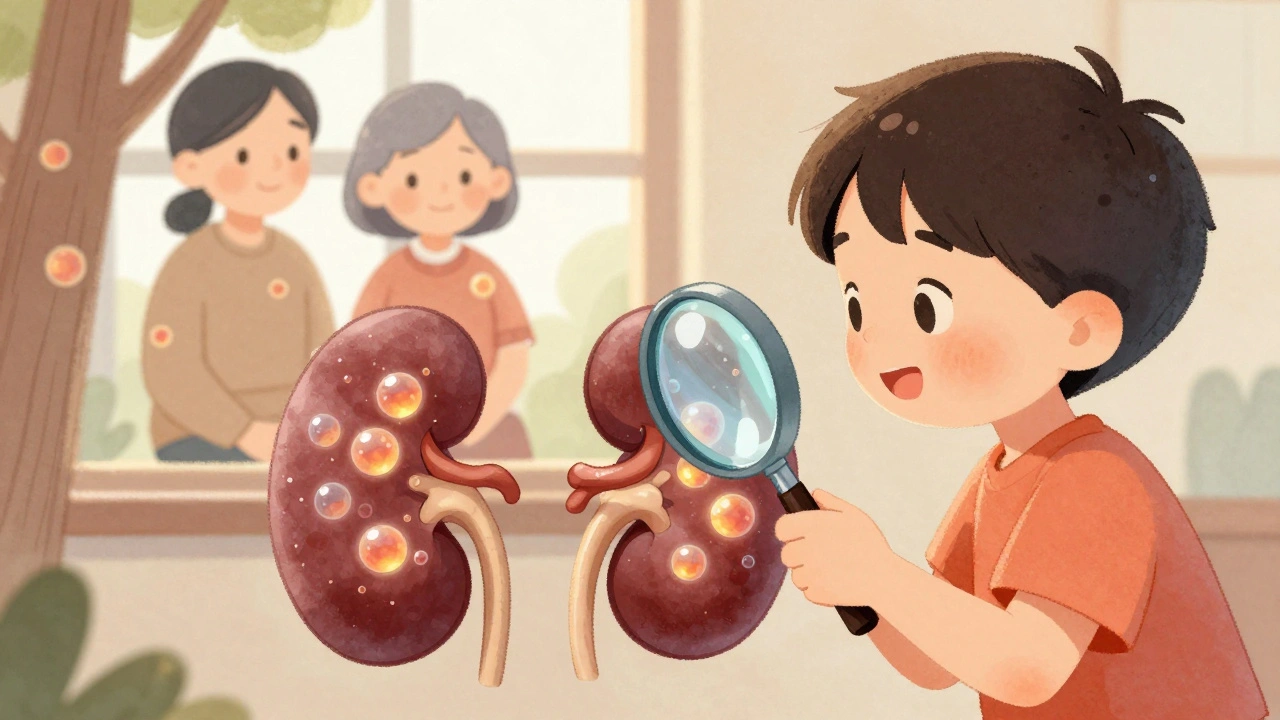
Two of the most common types are polycystic kidney disease, a condition where fluid-filled cysts grow in the kidneys, slowly replacing healthy tissue and Alport syndrome, a rare genetic disorder that affects the filtering membranes in the kidneys and often causes hearing loss and vision problems. These aren’t just rare exceptions—they’re the most frequently diagnosed inherited kidney conditions. Polycystic kidney disease alone affects about 1 in 500 people, and many don’t know they have it until their 30s or 40s, when symptoms like high blood pressure or blood in the urine show up. Alport syndrome, while less common, often shows up in childhood with hearing issues or eye abnormalities, making early screening critical for families with a history.
These disorders don’t just affect the kidneys. They can lead to complications like kidney stones, urinary tract infections, liver cysts, and even heart valve problems. Treatment doesn’t cure them, but it can slow the damage. Blood pressure control is the #1 thing doctors focus on—medications like ACE inhibitors or ARBs aren’t just for high blood pressure; they’re protective for the kidneys too. Diet matters, too. Cutting back on salt and protein can reduce strain on already weakened kidneys. And while there’s no gene therapy yet, clinical trials are testing drugs that target cyst growth in polycystic disease. If you’ve been told you have a genetic kidney disorder, knowing your exact type helps you plan ahead—whether it’s monitoring kidney function yearly, checking family members, or preparing for dialysis or transplant down the road.
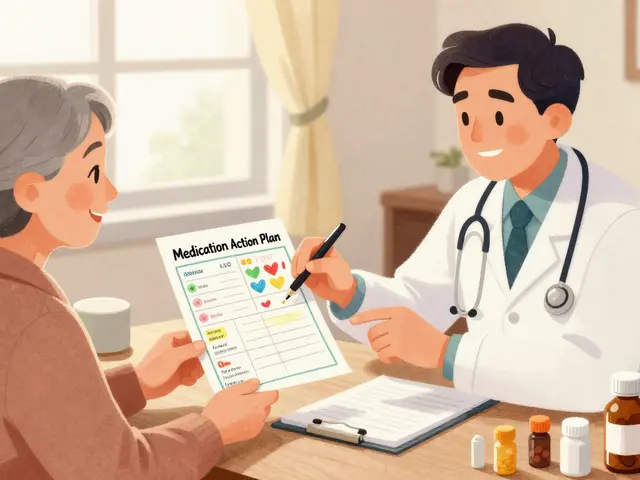
What you’ll find below are real, practical guides on how these conditions interact with medications, why some treatments work better than others, and how to avoid common mistakes that make things worse. From drug interactions that can hurt your kidneys to how to manage side effects from long-term meds, these posts give you the details you won’t get from a 5-minute doctor visit. No theory. No guesswork. Just what works.
-
1 Dec
- Recent
- Popular