Medication Adherence: Why Taking Pills Right Matters More Than You Think
When you’re told to take a medicine every day, medication adherence, the practice of taking drugs exactly as prescribed, including the right dose, at the right time, and for the full duration. Also known as drug compliance, it’s not a suggestion—it’s the foundation of treatment success. Skipping a pill here or there might seem harmless, but it’s often the reason treatments fail, symptoms return, or conditions like high blood pressure, diabetes, or depression get worse. People don’t stop taking meds because they’re lazy—they forget, they’re overwhelmed, they can’t afford them, or they feel fine and think they don’t need them anymore.
Medication adherence directly affects outcomes in chronic disease management, the long-term control of conditions like cirrhosis, hypothyroidism, gout, or asthma that require daily treatment. If someone with Hashimoto’s stops taking levothyroxine, their TSH spikes and fatigue returns. If a person with gout skips allopurinol, uric acid builds up and another painful flare hits. Even with antibiotics like cephalexin, stopping early can lead to resistant infections. treatment failure, when a prescribed therapy doesn’t work because the patient didn’t follow the plan. isn’t always the doctor’s fault—it’s often a gap in support, understanding, or access.
And it’s not just about the drug itself. side effects, unwanted reactions like nausea, drowsiness, or constipation from opioids or muscle relaxants. are a major reason people quit. If you’re told to take a pill that makes you feel awful, and no one tells you how to manage it, you’ll stop. That’s why posts here cover how to handle opioid side effects, why some extended-release pills are safer than others, and how timing affects your body’s response. It’s also why cost matters—generic drugs can save money, but if one costs 15 times more than another with the same effect, adherence drops.
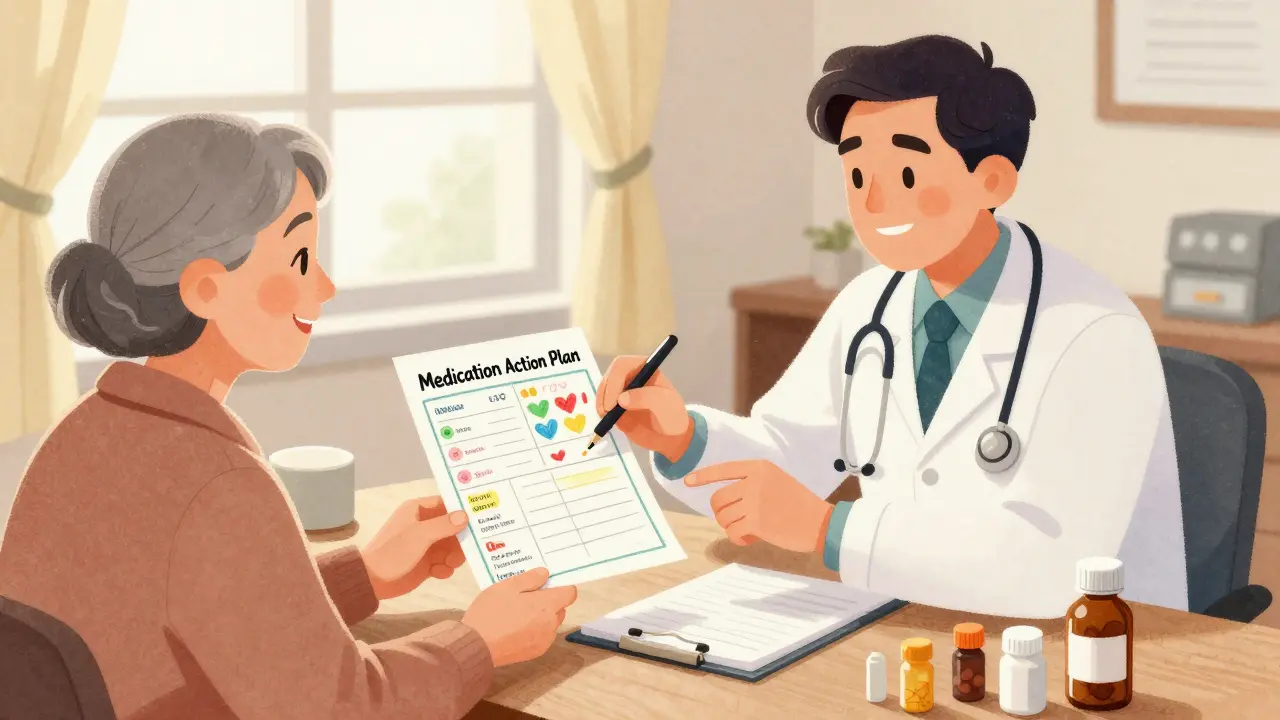
You won’t find fluff here. No vague advice like "just stay consistent." You’ll find real talk: why people miss doses, how to set up reminders that actually work, what to do when pills are too expensive, and how to talk to your doctor when side effects are unbearable. These aren’t theoretical problems—they’re daily struggles for millions. The posts below show how people manage liver disease, thyroid conditions, gout, asthma, and more by sticking to their meds, and what happens when they don’t. Whether you’re taking one pill a day or five, this is the practical guide to making sure your treatment actually works.
-
1 Jan
-
29 Nov

How to Improve Adherence for Inhalers, Patches, and Injectables
Learn practical, evidence-backed ways to improve adherence for inhalers, patches, and injectables. Discover why people miss doses, how tech helps-or hurts-and what actually works to keep patients on track. -
19 Nov
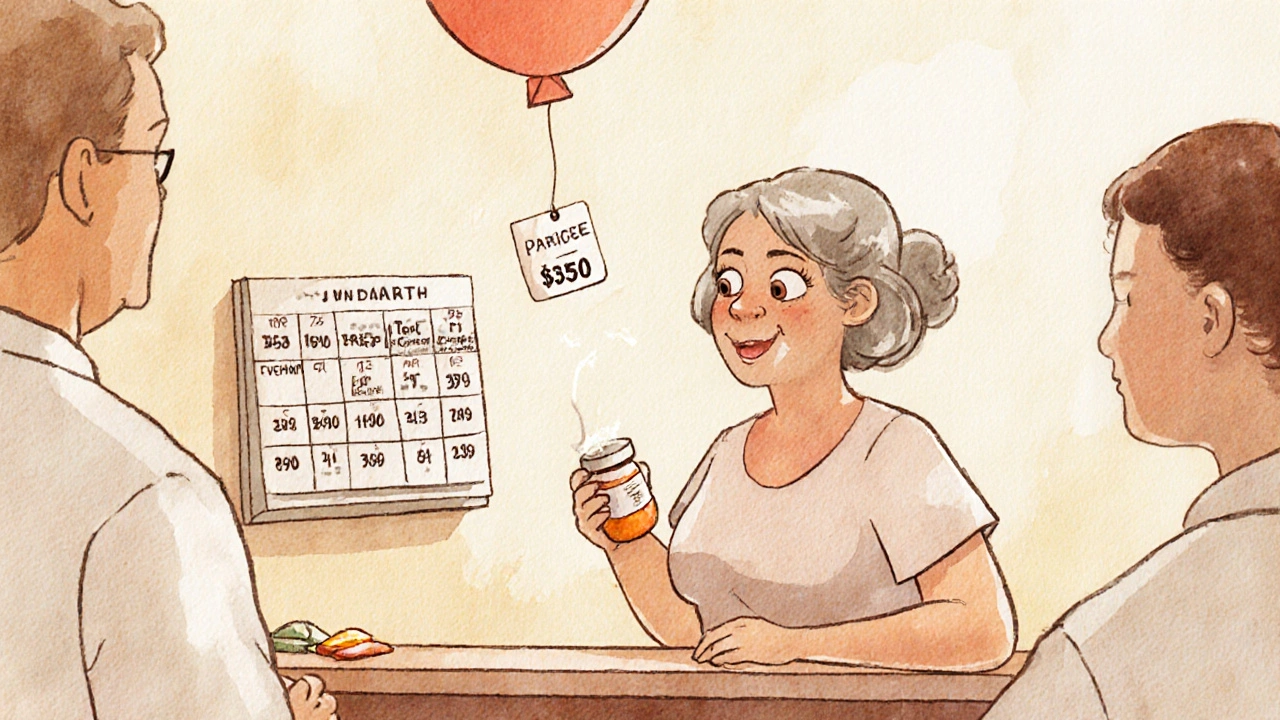
Cost Barriers to Medication Adherence and How to Get Help
Cost is the top reason people skip doses or skip prescriptions entirely. Learn how high drug prices impact adherence, what real solutions exist, and how to access free assistance programs to afford your medications.
- Recent
- Popular