Osteoporosis: Causes, Treatments, and How Medications Help Protect Your Bones
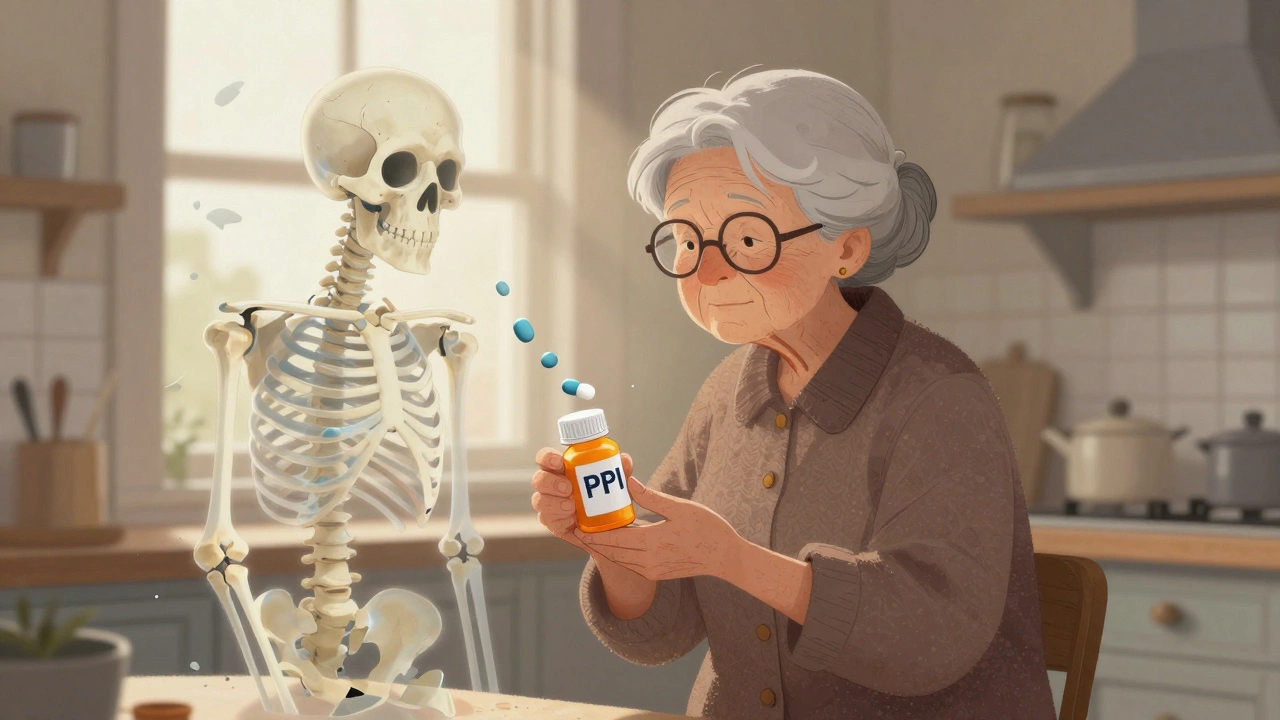
When your bones become thin and fragile over time, that’s osteoporosis, a condition where bone mass decreases and the internal structure of bone breaks down, making fractures more likely even from minor falls or stress. It’s not just an old person’s problem—many people don’t know they have it until they break a hip, wrist, or spine. Women after menopause are at higher risk because estrogen drops, but men and younger people with certain health conditions or long-term steroid use can get it too.
What keeps bones strong? It’s not just calcium, a mineral essential for building and maintaining bone structure and vitamin D, the nutrient that helps your body absorb calcium from food. You need movement—walking, lifting weights, even standing more. But when lifestyle isn’t enough, medications step in. Drugs like bisphosphonates, a class of drugs that slow bone loss by targeting cells that break down bone tissue are common first-line treatments. Others include denosumab, teriparatide, or hormone therapies, depending on your age, risk level, and medical history.
Many of the posts here tie directly to how osteoporosis connects to broader health issues. You’ll find info on how long-term steroid use—common for autoimmune diseases like autoimmune hepatitis—can eat away at bone density. Others show how managing hyperthyroidism or Hashimoto’s thyroiditis affects bone health because thyroid hormones control bone turnover. Even something as simple as medication adherence matters: if you skip your bone drug because it upsets your stomach or you forget, your risk goes up. And yes, some of these medications interact with other drugs you might be taking, which is why understanding drug labels and medication safety is critical.
There’s no magic fix, but knowing what works—and what doesn’t—gives you control. You don’t need to guess whether your calcium supplement is enough, or if your doctor’s advice matches current guidelines. The posts below pull from real-world experience and medical evidence to show you exactly how to protect your bones, avoid fractures, and make sense of the treatments you’re given. Whether you’re newly diagnosed, caring for someone who is, or just trying to stay ahead of bone loss, you’ll find practical steps that actually work.
-
8 Dec
- Recent
- Popular