Perioral Dermatitis: Causes, Triggers, and What Actually Helps
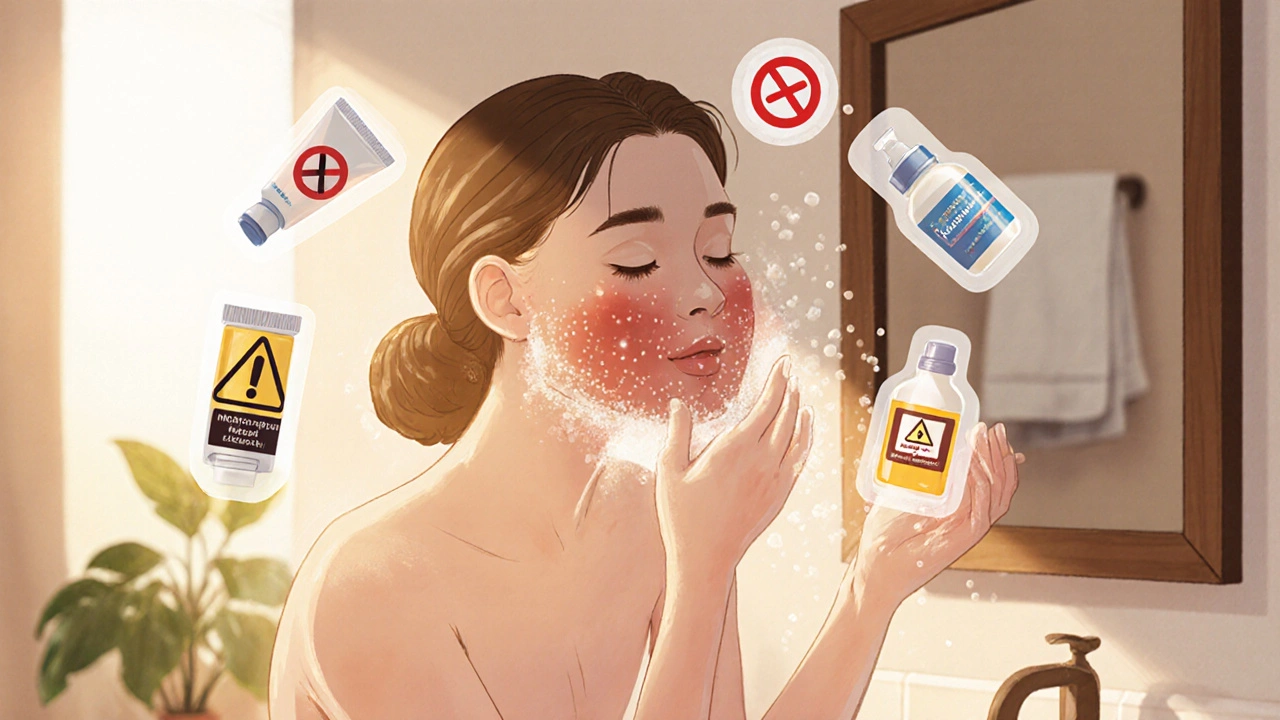
When you see a red, bumpy rash around your mouth—sometimes spreading to your nose or eyes—it’s easy to assume it’s acne. But if it doesn’t respond to regular acne treatments and keeps coming back, it might be perioral dermatitis, a persistent inflammatory skin condition that mimics acne but is triggered by topical products and steroids. Also known as facial dermatitis, it’s not contagious, not caused by poor hygiene, and often gets worse when you try to treat it like a pimple. This isn’t just a cosmetic issue. For many people, it’s a frustrating cycle: they use creams, lotions, or even over-the-counter hydrocortisone to calm the redness, only to find the rash spreads and flares up worse than before.
The biggest culprit? Topical steroids—even the mild ones sold without a prescription. Using them on your face, even for a few days, can trigger steroid-induced rash, a rebound reaction that mimics perioral dermatitis and often requires medical intervention to resolve. Other common triggers include fluoride toothpaste, heavy moisturizers, sunscreen with oily bases, and even some makeup. It’s not an allergy, but your skin’s barrier gets overwhelmed by ingredients it can’t handle. Women between 15 and 45 are most affected, but men and teens can get it too. And while it’s not life-threatening, it can feel like it is when your face looks inflamed for weeks or months.
What makes this condition tricky is that it looks like acne, rosacea, or eczema. But the treatments for those conditions often make perioral dermatitis worse. Antibiotics like doxycycline or topical pimecrolimus are commonly prescribed because they reduce inflammation without irritating the skin further. But the real fix? Stopping everything you’re putting on your face—no creams, no makeup, no sunscreen—until the skin calms down. It sounds extreme, but it’s the most effective first step. Then, you rebuild your routine slowly, one gentle product at a time.
What you’ll find below are real, practical guides from people who’ve been there. You’ll read about how to identify the exact product that triggered your rash, why some "natural" remedies backfire, how long recovery really takes, and what medications actually work without side effects. There’s no fluff here—just clear advice on managing this stubborn condition, avoiding common mistakes, and getting your skin back to normal without guessing.
-
14 Nov
- Recent
- Popular