Polycystic Kidney Disease: Causes, Management, and What You Need to Know
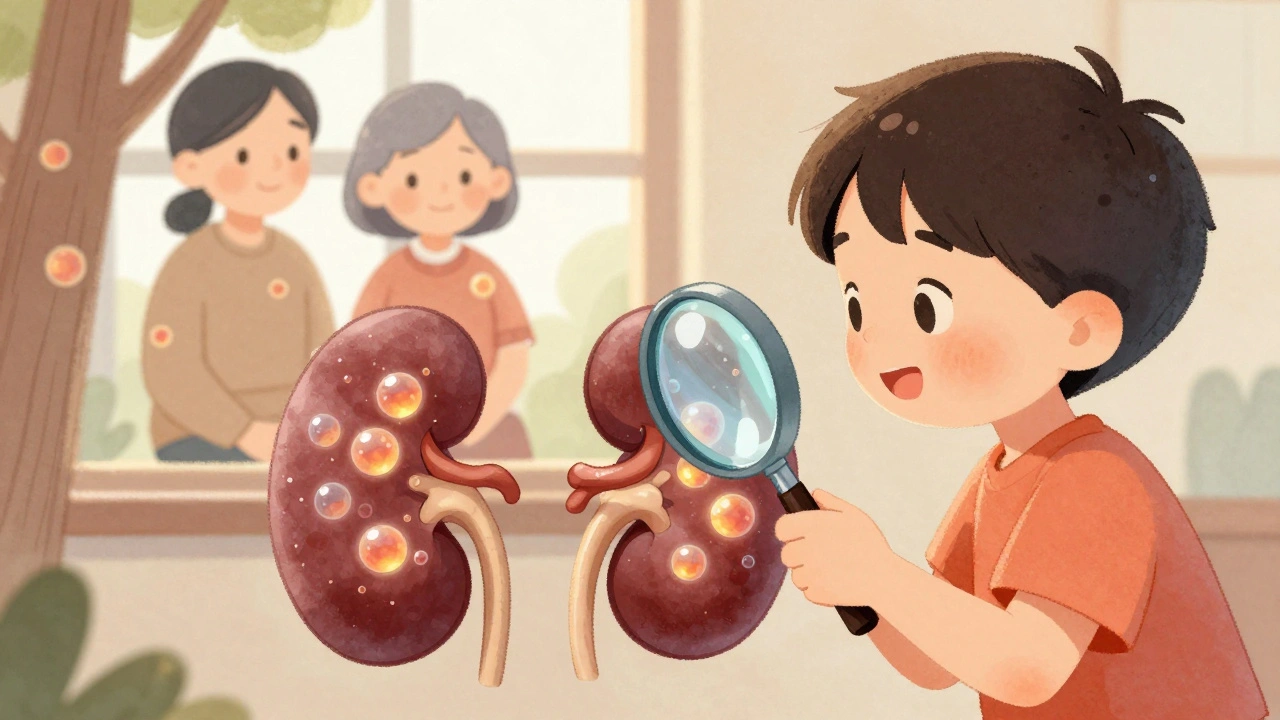
When you have polycystic kidney disease, a genetic disorder where clusters of fluid-filled cysts develop in the kidneys, gradually reducing their ability to filter waste. Also known as PKD, it’s one of the most common inherited kidney conditions and can lead to kidney failure if not managed. Unlike simple kidney cysts that show up with age, PKD cysts grow large and numerous, squeezing healthy tissue and raising blood pressure over time.
This condition doesn’t just affect the kidneys. chronic kidney disease, the gradual loss of kidney function over months or years often follows PKD, especially in adults. People with PKD are also more likely to develop liver cysts, heart valve issues, and brain aneurysms. It’s not just about kidney numbers—it’s about how your whole body responds to the strain.
There are two main types: autosomal dominant PKD, which shows up in adulthood and affects about 1 in 500 people, and the rarer autosomal recessive form, which appears in infancy and is much more severe. Most people with the adult type don’t know they have it until their 30s or 40s, when high blood pressure, back pain, or blood in the urine prompts a scan. An ultrasound or MRI can spot the cysts early, even before symptoms hit.
Managing PKD isn’t about curing it—it’s about slowing it down. Controlling blood pressure is the single most important step. Medications like ACE inhibitors or ARBs aren’t just for heart health—they protect your kidneys too. Staying hydrated, cutting back on salt, avoiding NSAIDs like ibuprofen, and not smoking can make a real difference. Some newer drugs, like tolvaptan, can slow cyst growth, but they come with side effects and aren’t for everyone.
What you eat matters. A diet low in sodium and protein helps reduce the workload on your kidneys. Many people with PKD end up needing dialysis or a transplant later in life, but that doesn’t mean nothing can be done now. Regular checkups, tracking kidney function with blood tests (like creatinine and eGFR), and monitoring cyst growth help you stay ahead of problems.
You’ll find posts here that cover how medications interact with kidney health, what to do when your kidneys are under stress, and how to manage symptoms like high blood pressure or pain. Some articles talk about how to avoid kidney damage from common painkillers, how to handle medication side effects when your kidneys aren’t working well, and how to recognize early signs of trouble. There’s also info on cost help for prescriptions, how to track your health with apps, and what to ask your doctor during visits.
This isn’t just about medical facts—it’s about real-life choices. Whether you’ve just been diagnosed, are watching a family member deal with it, or are trying to prevent complications, the information here is practical. You won’t find fluff. Just what works, what to watch for, and how to take control before things get worse.
-
1 Dec