Steroids for AIH: What You Need to Know About Treatment and Risks
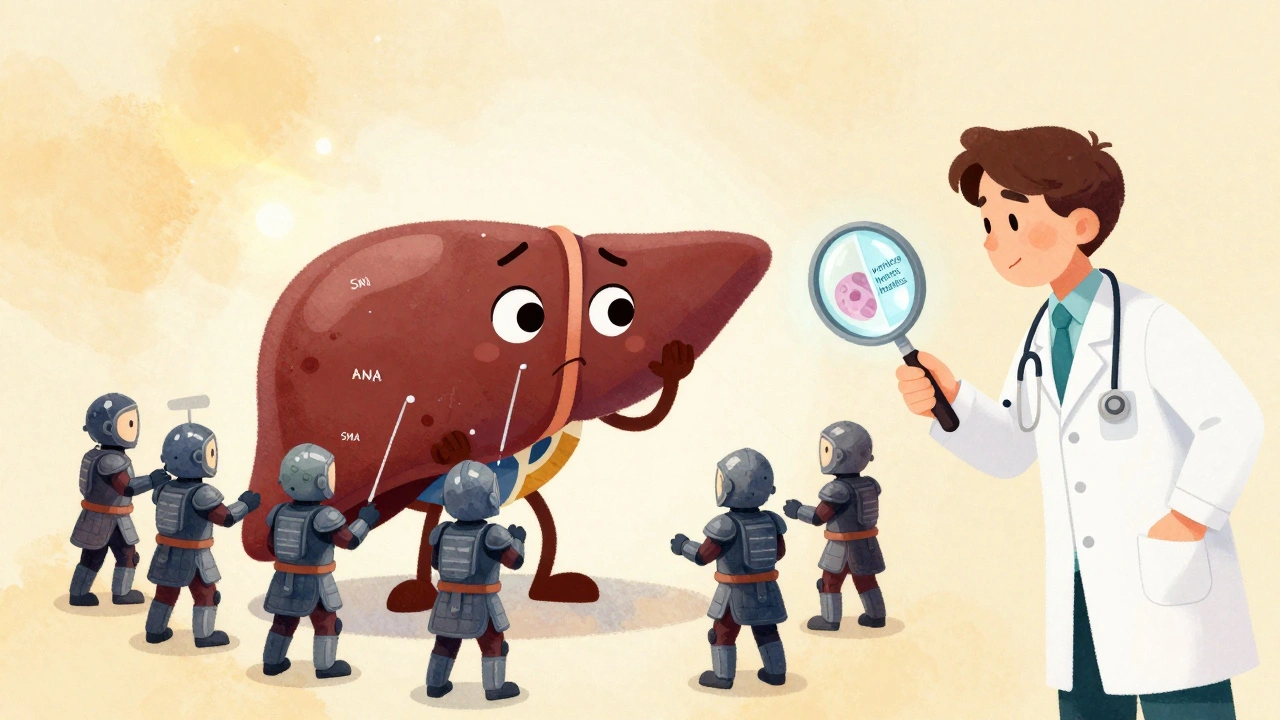
When your immune system attacks your own liver, that’s autoimmune hepatitis, a chronic condition where the body’s defenses mistakenly target liver cells, leading to inflammation and scarring. Also known as AIH, it’s not caused by alcohol or viruses—it’s an internal mistake that needs powerful medicine to fix. The go-to treatment? steroids, anti-inflammatory drugs like prednisone that calm the overactive immune system. They’re not a cure, but for many, they’re the only thing that stops the liver from being slowly destroyed.
Steroids for AIH work fast. Within weeks, liver enzymes drop, fatigue eases, and jaundice fades. But they’re not gentle. Weight gain, mood swings, high blood sugar, bone thinning, and increased infection risk are common. Some people can’t tolerate them at all. That’s why doctors often pair them with immunosuppressants, like azathioprine or mycophenolate, which let you lower the steroid dose over time. This combo reduces side effects while keeping the disease under control. It’s not about avoiding steroids—it’s about using them smartly, then stepping back as soon as possible.
Not everyone with AIH needs steroids right away. Mild cases might be monitored first. And if steroids fail or cause too many problems, other options exist—like budesonide, a steroid with fewer systemic side effects, or newer drugs still being studied. The key is matching the treatment to your body, not just the diagnosis. Your liver’s health depends on it.
What you’ll find in the posts below are real, practical stories and facts about managing AIH—not just steroids, but how they fit into the bigger picture of liver care. You’ll see how people handle side effects, when to push back on doctors, what blood tests actually mean, and how to avoid mistakes that make things worse. This isn’t theory. It’s what works when your liver is on the line.
-
4 Dec
- Recent
- Popular