

The Hidden Cost of Missing Safety Alerts
Every year, billions of dollars are wasted on preventable medication errors, yet many of these incidents happen because safety signals are missed until it’s too late. For healthcare professionals and engaged patients alike, staying connected to the pulse of Global Medication Safety MonitoringA coordinated international effort to track, analyze, and prevent adverse events related to medicines through organized networks and reporting systems isn’t optional-it’s essential for modern patient care. With the release of the WHO’s comprehensive guidelines on controlled medicines in May 2025, the landscape has shifted significantly. You cannot rely solely on generic news feeds; you need dedicated channels that cut through the noise.
If you are practicing in Australia or following international standards, understanding the hierarchy of safety information is your first step. We have moved beyond simple warnings. Today, we deal with complex data streams involving artificial intelligence predictions and real-time reporting. In this article, I will walk you through the exact systems used by experts to maintain a high standard of vigilance.
Identifying the Core Authority Networks
To stay truly informed, you must subscribe to the right organizations. These aren’t just government bodies; they are active data aggregators that process millions of reports. At the top of this pyramid sits the World Health Organization (WHO)A specialized agency of the United Nations responsible for international public health, including medicine safety guidelines. Their Global Patient Safety Report 2024 established benchmarks that are still being implemented worldwide. Specifically, their recent 2025 guideline on balanced national policies for controlled medicines highlighted a critical gap: the suffering caused by unsafe access is often preventable, but only if we know the root causes.
However, the WHO operates at a macro level. For day-to-day clinical insights, the Uppsala Monitoring Centre (UMC)The International Centre for WHO Programme for International Drug Monitoring, based in Sweden is your most direct link to raw data. They coordinate the WHO Programme for International Drug Monitoring, connecting over 150 countries. When you read an alert about a new side effect, chances are the UMC analyzed it first via their VigiBase database. This is a practical distinction: while WHO sets policy, UMC provides the surveillance data. Following both ensures you get the rulebook and the real-world evidence simultaneously.
Navigating National Reporting Systems
While global data sets the stage, your local actions matter more. In many jurisdictions, specific platforms exist for reporting Adverse Drug Reactions (ADRs)Undesirable effects resulting from medicinal products under normal conditions of use. For example, the UK utilizes the Yellow Card SchemeThe voluntary reporting system run by the MHRA for reporting suspected ADRs in the UK. It allows anyone-doctors, pharmacists, or patients-to report issues with vaccines, herbal medicines, and even medical devices. The US has similar mechanisms via the FDA’s Sentinel Initiative, which connects hundreds of millions of patient records.
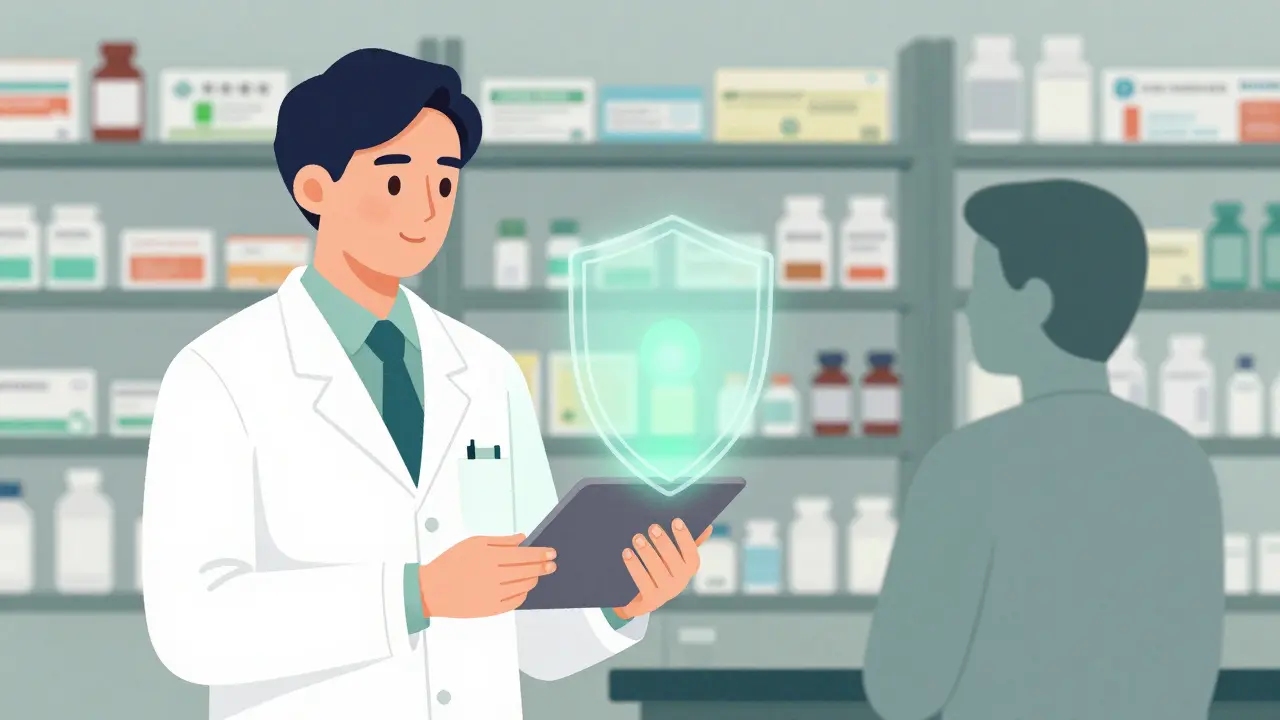
In Australia, the Therapeutic Goods Administration (TGA) runs our own version of this, known as Ausafety. As of early 2026, integrating these national apps into your daily workflow is becoming standard practice. Many clinics now have digital posters in waiting rooms promoting these QR codes. If you haven’t downloaded the app for your region’s safety scheme yet, consider it a mandatory tool. The learning curve is short-typically under two hours-but the impact on catching a rare reaction is profound.
Capitalizing on Annual Safety Campaigns
Safety work shouldn’t stop when the daily shift ends. Several global calendars drive massive awareness waves that provide concentrated training opportunities. The most significant event is MedSafetyWeekAn annual global campaign held in November to promote side effect reporting. Marked by the hashtag #MedSafetyWeek, this initiative typically occurs in the first week of November. Looking back at the 2025 campaign, it was a historic milestone marking ten years of activity. The theme “we can all help make medicines safer” resonated across 117 countries. By November 2026, when the next one rolls around, expect enhanced digital tools and AI-powered symptom checkers integrated directly into national reporting hubs.
Another critical date is September 17, designated as World Patient Safety Day. The 2025 theme focused on newborn care, but the core principle applies everywhere: proactive prevention. Organizations like the Institute for Safe Medication Practices (ISMP) use this time to release their biennial best practice documents. For instance, the 2025-2026 edition of their Targeted Medication Safety Best Practices covers weight-based dosing verification and return-to-stock processes. These aren't theoretical essays; they include implementation worksheets that you can use immediately to audit your pharmacy or clinic.
Leveraging Expert Publications and Risk Lists
Campaigns grab attention, but detailed analysis comes from specific reports. Two names appear consistently in the literature: ECRI and ISMP. Every March, they jointly publish the “Top 10 Patient Safety Issues” list. In their 2025 edition, released earlier this year, they identified cyberattacks on health data and medical misinformation on social media as rising threats alongside traditional risks like missed diagnoses.
This list serves as a yearly checklist for risk management committees. If a hospital’s safety strategy doesn’t address the top three items on the ECRI list, there is a vulnerability. Beyond annual lists, continuous monitoring through databases like Medi-Span is vital. In Saudi Arabia, the adoption of clinical decision support databases reduced medication errors by 40%. That kind of efficiency gain suggests that simply having access to updated drug information changes prescribing behavior. Whether you use Medi-Span or a local equivalent, verify that your institution subscribes to a service that flags drug-disease interactions in real time.

Fighting Medical Misinformation Online
A surprising challenge in 2026 isn't finding information; it’s filtering out fake news. Social media spreads false cures faster than verified safety alerts. The 2025 ECRI report noted that vaccine-related misinformation increased adverse event reports by 18% in regions with high social media penetration. To combat this, you must curate your feed intentionally. Follow verified accounts from the UMC and ISMP rather than influencers.
Furthermore, new technologies are changing the game. Some national systems are now testing AI-driven symptom checkers that feed directly into the VigiBase network. While promising, human verification remains necessary. Be skeptical of any "natural cure" trending on TikTok or Instagram. Always cross-reference a viral claim against the official alert bulletin from your national authority before discussing it with a patient.
| Source | Type | Frequency | Best Used For |
|---|---|---|---|
| WHO | Policy & Guidelines | Periodic | High-level regulation updates |
| UMC/VigiBase | Data Surveillance | Continuous | Raw side effect trends |
| ISMP | Best Practices | Biennial | Operational safety protocols |
| National Apps | Reporting Tool | On-demand | Real-time ADR submission |
Building Your Personal Action Plan
Passive reading won't solve the issue. You need a system. First, subscribe to email alerts from the WHO Medicines Safety program. Second, register for MedSafetyWeek materials starting in August each year so you’re ready when November arrives. Third, conduct a gap analysis against the latest ISMP best practices every six months. One pharmacist in my network reported a 25% increase in staff reporting after implementing materials from the previous MedSafetyWeek.
Finally, advocate for better integration. Professionals complain that the Yellow Card app and hospital incident reporting systems don't talk to each other. By speaking up, you contribute to the long-term goal of a unified safety net. The infrastructure costs money-estimated at $42 billion annually lost due to errors-but a culture of reporting saves lives in ways we are still calculating.
How do I report a side effect internationally?
You should start with your country's national center, which then contributes to the WHO Programme. In the UK, use the Yellow Card scheme. In the US, use the FDA MedWatch portal. Direct international reporting is generally handled through these national gateways to the UMC.
When does the next MedSafetyWeek occur?
MedSafetyWeek takes place annually in November. Look for the campaign to launch between November 2nd and November 8th of 2026.
Is there a free way to access drug safety alerts?
Yes. Most national agencies like the TGA in Australia or the FDA in the US provide free weekly bulletins. Additionally, the UMC offers a monthly newsletter summarizing key safety notices found in VigiBase.
Why is pharmacovigilance important for individual patients?
It ensures that rare side effects detected in a small number of people reach regulatory bodies quickly enough to update labeling instructions, protecting others from similar harm.
What is the difference between WHO and UMC roles?
The WHO sets global health policies and guidelines. The UMC manages the technical data collection, running VigiBase which stores millions of case reports from national centers.

Tony Yorke
March 27, 2026 AT 15:52the new TGA app update works without lagging issues anymore
Monique Ball
March 28, 2026 AT 10:29Hello everyone! 😊 I truly believe this information is vital for us all! The WHO data is so important! We really need to read those reports! Safety alerts happen daily! Missing one could cost someone dearly! Please do not skip the weekly bulletins! 📢 Downloading the national app takes seconds! Why wait longer than two hours to learn?! The VigiBase system is incredible! It tracks millions of cases globally! You should share this with your clinic team! Collaboration makes everyone safer! 🌍 MedSafetyWeek is coming soon! Set reminders for November 2nd! We must protect patients actively! Thank you for reading this far! ❤️
gina macabuhay
March 29, 2026 AT 10:43It is frankly absurd that any professional ignores the structured reporting protocols when they are freely available online
Austin Oguche
March 29, 2026 AT 12:13your detailed breakdown of the UMC workflow offers significant value to our daily practice routines
Rachael Hammond
March 29, 2026 AT 16:11i thik its sad how ppl think safety is optional sometimes but yeah the data is real for sure
Richard Kubíček
March 30, 2026 AT 19:51The shift towards AI predictions mentioned in the article feels promising for future error reduction rates. We often overlook how quickly these systems evolve compared to our training methods. It creates a nice balance when technology handles the heavy lifting for surveillance tasks. Hopefully hospitals adopt these faster next year. Many colleagues complain about the manual entry burden which seems valid here. Integrating these tools properly could change patient outcomes drastically for the better. We need to embrace the digital transition rather than resist it completely.
Tommy Nguyen
March 31, 2026 AT 11:28tech adoption sounds like the right move forward for everyone involved
Kameron Hacker
April 1, 2026 AT 17:15Medical professionals bear the ultimate responsibility for verifying information sources before dissemination occurs. Ignoring established frameworks like the ECRI list constitutes negligence in my professional opinion. The gap in knowledge cannot remain unaddressed by competent staff members. Patient welfare demands absolute compliance with current safety standards. Dismissing these updates risks public health integrity significantly. Immediate action is required to bridge these informational deficits within healthcare settings.