
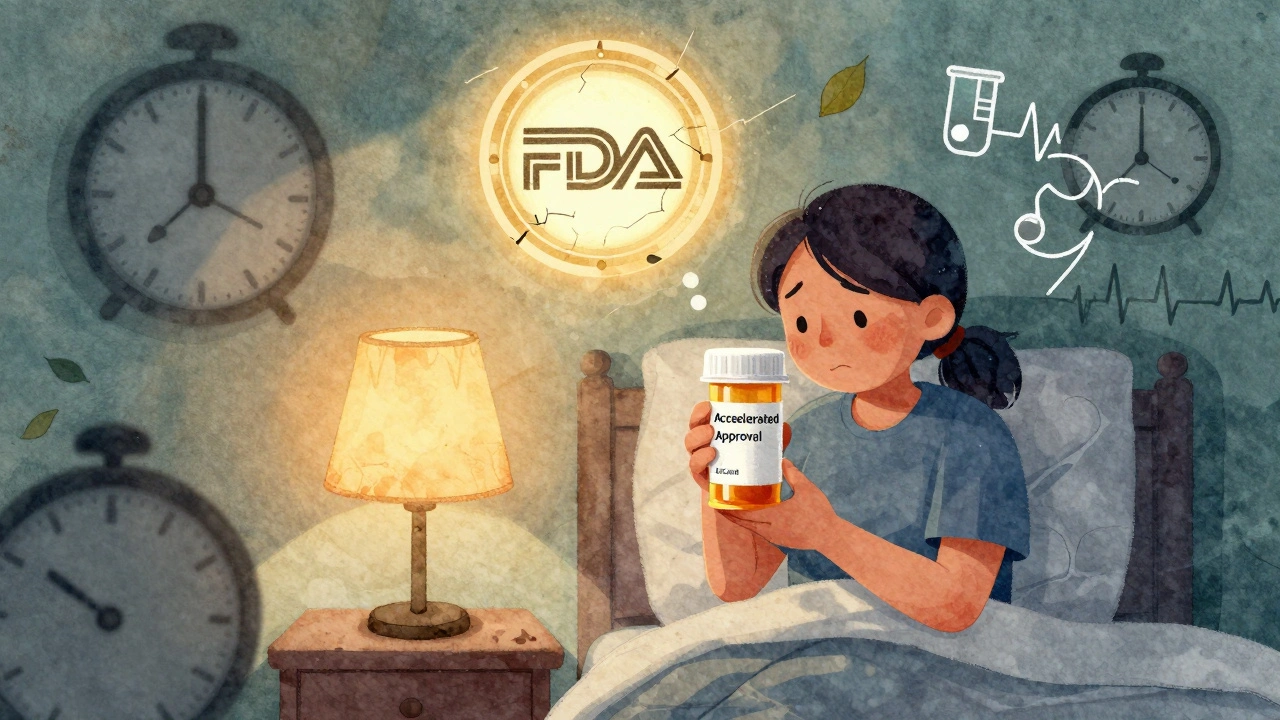
Drug Recalls: What You Need to Know About Unsafe Medications
When a drug recall, a formal action by regulators to remove unsafe medications from the market. Also known as a pharmaceutical withdrawal, it’s not just paperwork—it’s a lifesaving step when pills, injections, or patches turn out to be contaminated, mislabeled, or dangerously ineffective. These aren’t rare events. In 2023 alone, the FDA issued over 800 recalls for prescription and over-the-counter drugs. Some were for tiny batches. Others affected millions of people. The common thread? A failure in manufacturing, testing, or labeling that put patients at risk.
Not all recalls are the same. A Class I recall, the most serious type, involves products that could cause serious harm or death—like a blood pressure med with wrong dosage levels or insulin contaminated with bacteria. Class II recalls, are for products that might cause temporary health problems, like a pill with incorrect inactive ingredients that could trigger allergies. And Class III recalls, are for issues that are unlikely to cause harm but still violate regulations, like a misprinted expiration date. The FDA archives these alerts, and you can search them for free. If your medicine is on the list, you don’t need to panic—but you do need to act.
Most people never check if their meds have been recalled. They assume the pharmacy or doctor caught it. But that’s not always true. A recalled batch might still be on a shelf, especially if it’s a generic drug bought online or from a small pharmacy. The best way to protect yourself? Know your drug’s name, manufacturer, and lot number. Keep your prescription bottle. If you see a recall notice, call your pharmacist—they’ll tell you if your exact batch is affected and how to get a safe replacement. And if you’ve taken a recalled drug? Watch for unusual symptoms. Dizziness, rashes, nausea, or sudden changes in how you feel could be signs. Don’t wait for a doctor’s visit—call your provider right away.
What you’ll find here are real stories and clear guides on how recalls happen, how to spot them, and what to do when your medicine is pulled. We cover how the FDA tracks problems, why some drugs get recalled years after hitting shelves, and how to avoid dangerous alternatives sold online. These aren’t theory pieces—they’re based on actual cases, patient reports, and official records. Whether you’re on a daily heart med, a monthly injection, or a simple painkiller, this info could keep you safe.
-
1 Dec
- Recent
- Popular
-
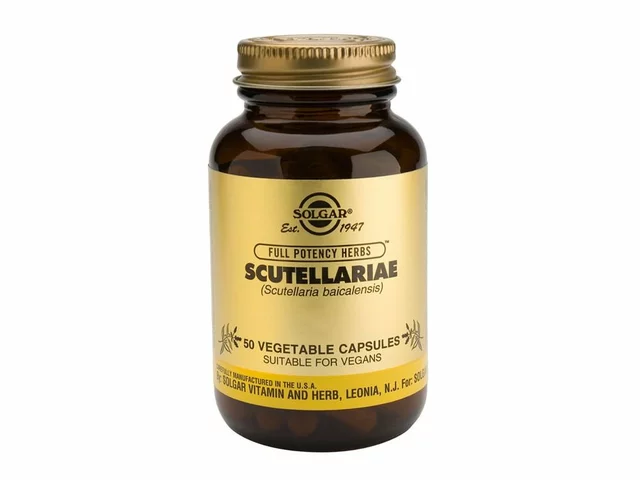 Brewer's Yeast: The Nutrient-Rich Dietary Supplement You've Been Missing Out On
Jul 21 2023
Brewer's Yeast: The Nutrient-Rich Dietary Supplement You've Been Missing Out On
Jul 21 2023
-
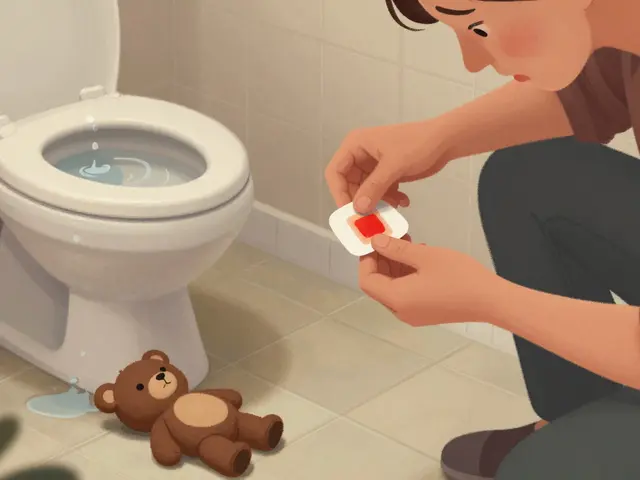 FDA-Approved Medications You Can Flush Down the Toilet (And Which Ones You Should Never Flush)
Jan 17 2026
FDA-Approved Medications You Can Flush Down the Toilet (And Which Ones You Should Never Flush)
Jan 17 2026
-
 Achieve Faster Weight Loss and Wellness with Taumelloolch: The Ultimate Dietary Supplement Guide
May 15 2025
Achieve Faster Weight Loss and Wellness with Taumelloolch: The Ultimate Dietary Supplement Guide
May 15 2025