Generic Substitution: What It Is, How It Works, and What You Need to Know
When your doctor prescribes a brand-name drug, you might get a cheaper generic substitution, the legal process where a pharmacist replaces a brand-name drug with an FDA-approved generic version. Also known as therapeutic substitution, it’s not just about saving money—it’s about making sure you get the same clinical result without the high price tag. But it’s not automatic. Whether your pharmacist can swap the drug depends on where you live, what the drug is, and even whether your doctor said "do not substitute." This isn’t a technicality—it affects your wallet, your health, and your daily routine.
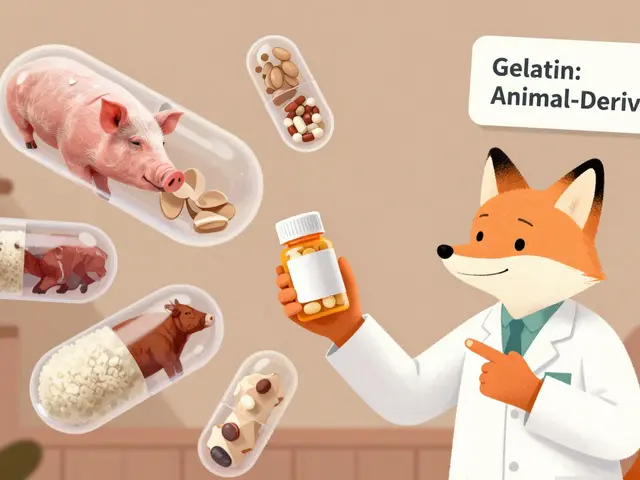
Behind every generic drug, a medication with the same active ingredient, strength, and dosage form as a brand-name drug, approved by the FDA as bioequivalent is a strict review process. The FDA requires generics to perform the same way in your body as the brand. But not all drugs are created equal. NTI drugs, narrow therapeutic index drugs like warfarin or levothyroxine where small changes in dose can cause serious side effects often have extra rules. Some states ban substitution for these unless your doctor approves it. And biologics, complex drugs made from living cells, like insulin or Humira, which have biosimilars but are not considered true generics are handled differently—many states still don’t allow automatic substitution even for biosimilars without prescriber consent.
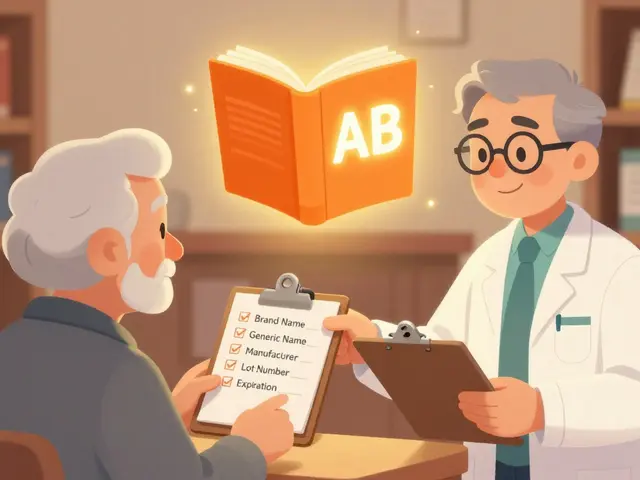
State laws vary wildly. In some places, pharmacists must tell you before swapping and get your verbal okay. In others, they can swap without asking unless the doctor says no. Some states let pharmacists substitute unless the label says "dispense as written." Others require written consent for every substitution. The FDA Orange Book, the official list of approved drug products with therapeutic equivalence evaluations helps pharmacists decide which generics are interchangeable, but it doesn’t override state law. That’s why the same prescription might get a generic in Texas but not in New York.
Cost is the biggest driver. Generic drugs can cost 80% less than brand names. That’s why insurance companies push for substitution—it cuts their expenses and yours. But it’s not always about price. Sometimes, switching causes confusion. You might get a different pill shape, color, or brand name on the bottle. That doesn’t mean it’s less effective, but it can trigger anxiety or mistakes. That’s why some patients prefer sticking with the brand—even if they pay more.
What you’ll find in the posts below is a real-world look at how this system works. You’ll see how generic substitution laws differ state by state, why some drugs are excluded, how pharmacists handle consent, and what to do if you’re switched without knowing. You’ll also learn how to spot when a generic isn’t working the same way, how to ask for the brand if needed, and how to use the FDA Orange Book to check if your generic is truly interchangeable. This isn’t theory—it’s what happens at your pharmacy counter every day. And knowing the rules means you’re not just a patient—you’re an informed one.
-
5 Feb
-
30 Jan
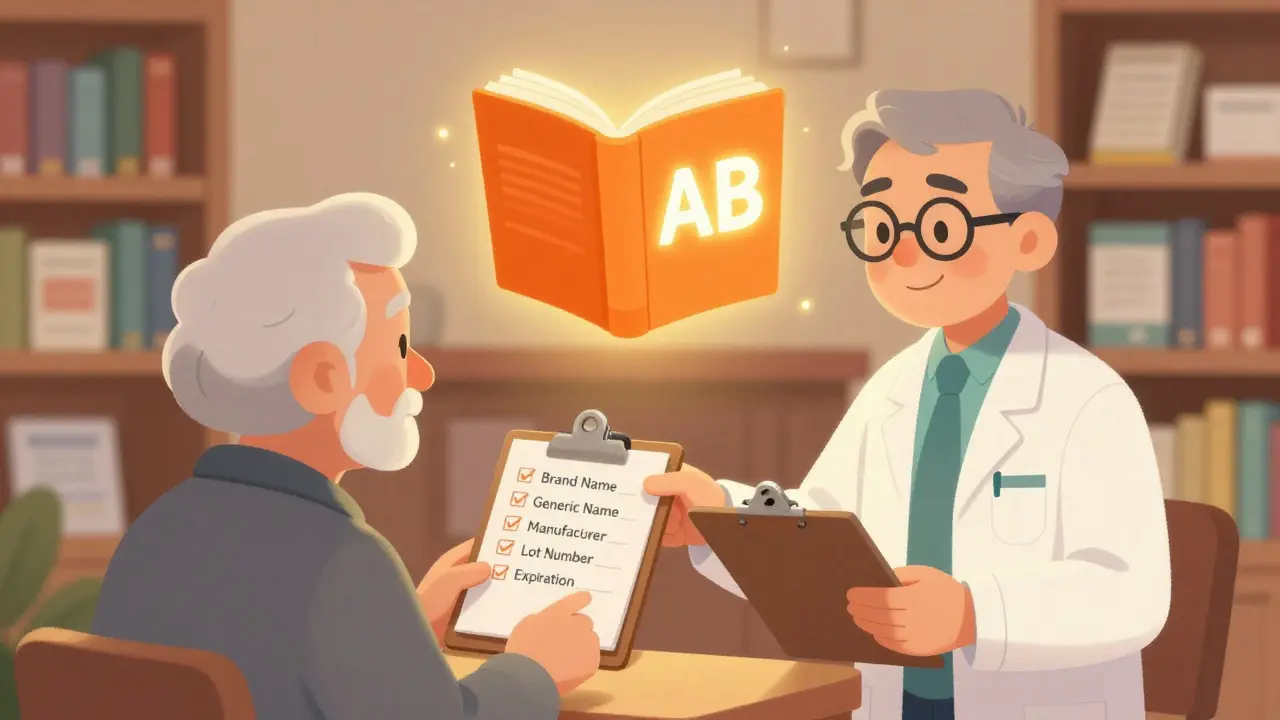
Documentation Requirements for Recording Generic Substitution Decisions in Pharmacy Practice
Pharmacists must document every generic drug substitution with precise details to ensure patient safety and legal compliance. Learn what’s required, how state laws vary, and why proper records prevent dangerous errors. -
28 Nov

Workers' Compensation and Generic Substitution: What You Need to Know in 2025
Generic substitution in workers' compensation saves billions annually without sacrificing care. Learn how FDA-approved generics work, why they're mandatory in most states, and what's changing in 2025.
- Recent
- Popular