Medicare Part D: What It Covers, How It Works, and How to Save on Prescription Costs
When you're on Medicare Part D, the federal prescription drug coverage program for people enrolled in Medicare. It's not automatic—you have to pick a plan, and not all plans are the same. Some cover your meds for pennies, others leave you paying hundreds extra. This isn't just paperwork—it’s about whether you can afford your insulin, your blood pressure pills, or your arthritis meds next month.
Medicare drug plans, private insurance plans approved by Medicare to provide Part D coverage are grouped into tiers. Tier 1? Usually generic drugs, maybe $5 a month. Tier 4 or 5? Brand-name or specialty drugs that can cost $500 or more. The plan you choose decides what you pay at the pharmacy. And here’s the catch: if your drug isn’t on the plan’s formulary, the official list of covered medications, you might get stuck paying full price—or have to appeal to get it covered. That’s why checking your exact meds against a plan’s formulary before signing up isn’t optional. It’s essential.
Many people don’t know they qualify for extra help. If your income is low, you might get the low-income subsidy, a federal program that cuts monthly premiums, deductibles, and copays for Medicare Part D. It’s called Extra Help, and it can reduce your drug costs by 90% in some cases. You don’t have to be on Medicaid to qualify. Even if you think you make too much, it’s worth applying—rules change, and many people miss out because they assume they’re ineligible.
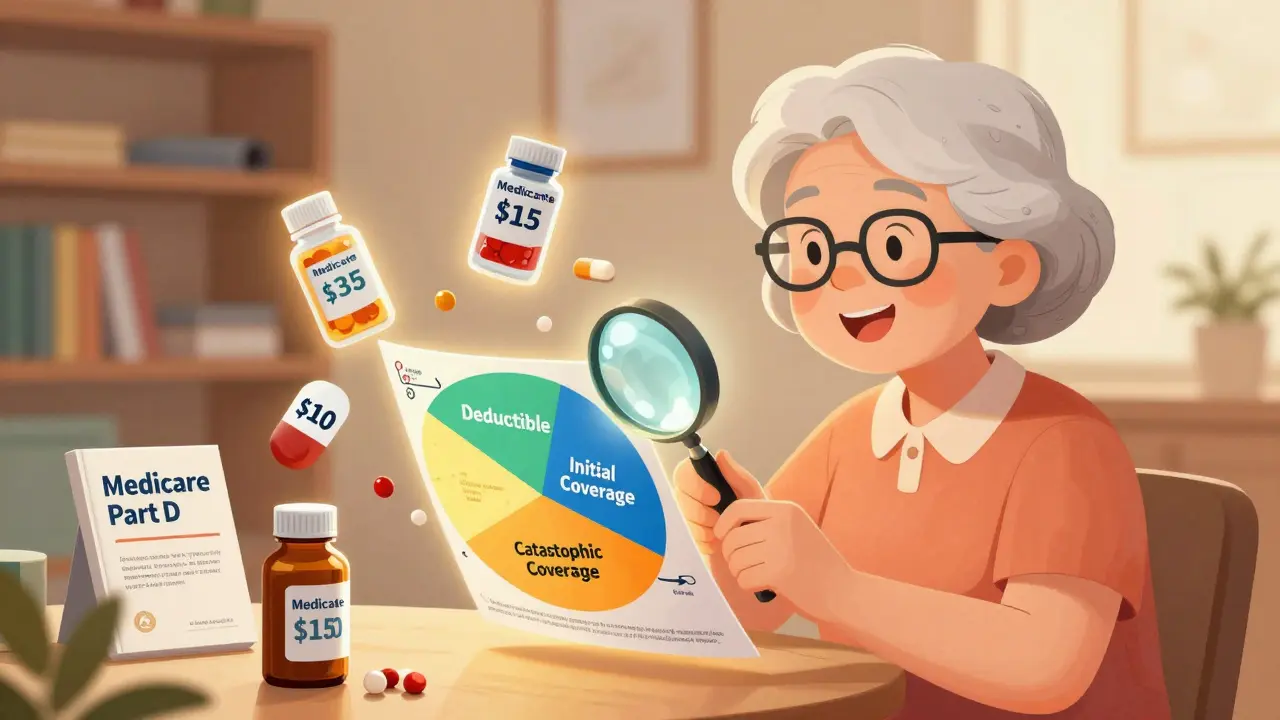
Medicare Part D isn’t just about picking the cheapest plan. It’s about matching your meds to the plan that covers them best. One plan might have great prices on your heart meds but charge $120 for your thyroid pill. Another might have a $0 premium but a $500 deductible you’d have to hit before coverage kicks in. The best plan isn’t the one with the lowest sticker price—it’s the one that saves you the most money on the drugs you actually take.
And if you’re thinking about switching plans, remember: you can only change during the Annual Enrollment Period (October 15 to December 7), unless you qualify for a Special Enrollment Period. Missing that window could mean paying more for months—or going without coverage. That’s why so many people end up stuck with plans that don’t fit.
Below, you’ll find real guides on how to cut prescription costs, understand drug coverage rules, and avoid common traps. Whether you’re helping a parent navigate their first Part D plan, or you’re managing your own meds on a fixed income, these posts give you the straight facts—no fluff, no jargon, just what works.
-
2 Mar
-
16 Feb
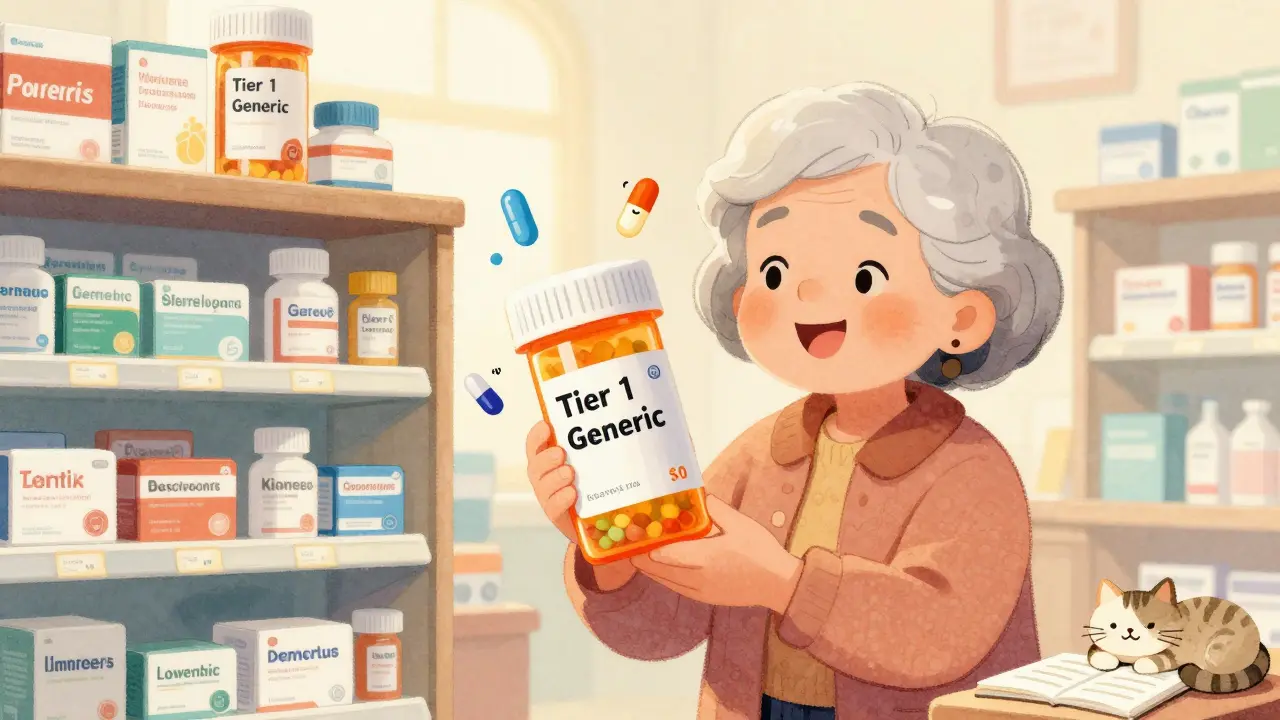
Medicare Part D Formularies: How Generic Coverage Works
Medicare Part D formularies prioritize generic drugs to cut costs, with Tier 1 generics often costing $0-$15. Since 2025, out-of-pocket spending is capped at $2,000, making generics even more valuable. Learn how tiers work, how to compare plans, and what to do if your drug isn't covered. -
27 Nov
How to Manage Medication Costs During Medicare Part D Coverage Gaps (Donut Hole)
Learn how to manage high prescription drug costs during Medicare Part D’s coverage gap (donut hole) before it disappears in 2025. Discover practical strategies to save hundreds or thousands on medications.
- Recent
- Popular