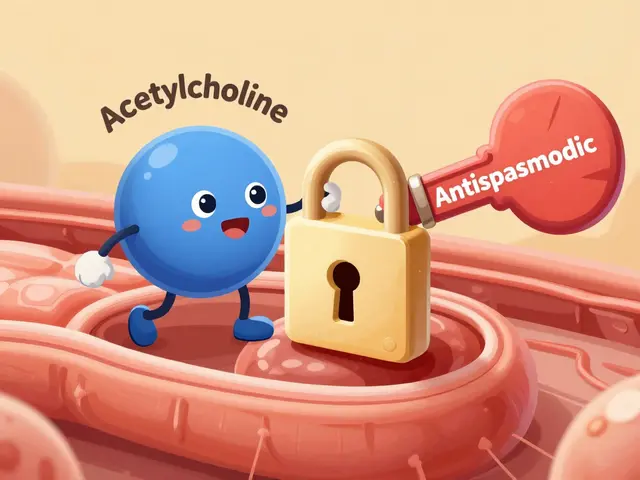
Medication Safety: Avoid Harm, Understand Risks, and Use Drugs Wisely
When you take a medication, a substance used to treat, cure, or prevent disease. Also known as prescription drug, it’s meant to help—but without proper use, it can hurt you. Every year, thousands of people end up in the emergency room not because they took too much, but because they didn’t understand how their drugs work. Medication safety isn’t about following rules blindly. It’s about knowing what to watch for, when to ask questions, and how to spot red flags before it’s too late.
One of the biggest risks isn’t the drug itself—it’s what you do with it. overdose prevention, the practice of avoiding dangerous drug levels through proper dosing and awareness matters more than you think. People who stop taking opioids or benzodiazepines for a few weeks and then restart at their old dose can die. That’s not addiction—it’s lost tolerance. drug side effects, unwanted reactions that can appear minutes or months after starting a medication aren’t always obvious. A rash from a topical cream, a weird heartbeat from a thyroid drug, or confusion from a sleep pill might seem minor—but they’re signals. And generic drug safety, the fact that FDA-approved generics work the same as brand names isn’t a myth. But knowing when a generic is switched without your knowledge? That’s where confusion starts. Pharmacists can legally swap brands in most states, but not all generics are equal for drugs with narrow therapeutic windows. You need to know your options.
Medication safety also means understanding your body’s signals. If you’re on blood thinners, antibiotics, or thyroid meds, timing and diet can make or break your treatment. Skipping a dose because it’s expensive? That’s not just non-adherence—it’s a health risk. And if you’re traveling, storing pills in a hot car or forgetting your meds abroad? That’s how treatment fails. The good news? You don’t need a pharmacy degree to stay safe. You just need to know what to look for: changes in how you feel, unexpected symptoms, or labels you don’t understand. The posts below cover real cases—from people who nearly died restarting opioids, to those who got burns from OTC pain creams, to others who saved thousands by understanding Medicare’s coverage gap. These aren’t theory pieces. They’re lessons from real mistakes and real fixes. What you’ll find here isn’t just information. It’s a checklist for staying alive while taking medicine.
-
6 Jan
-
9 Dec
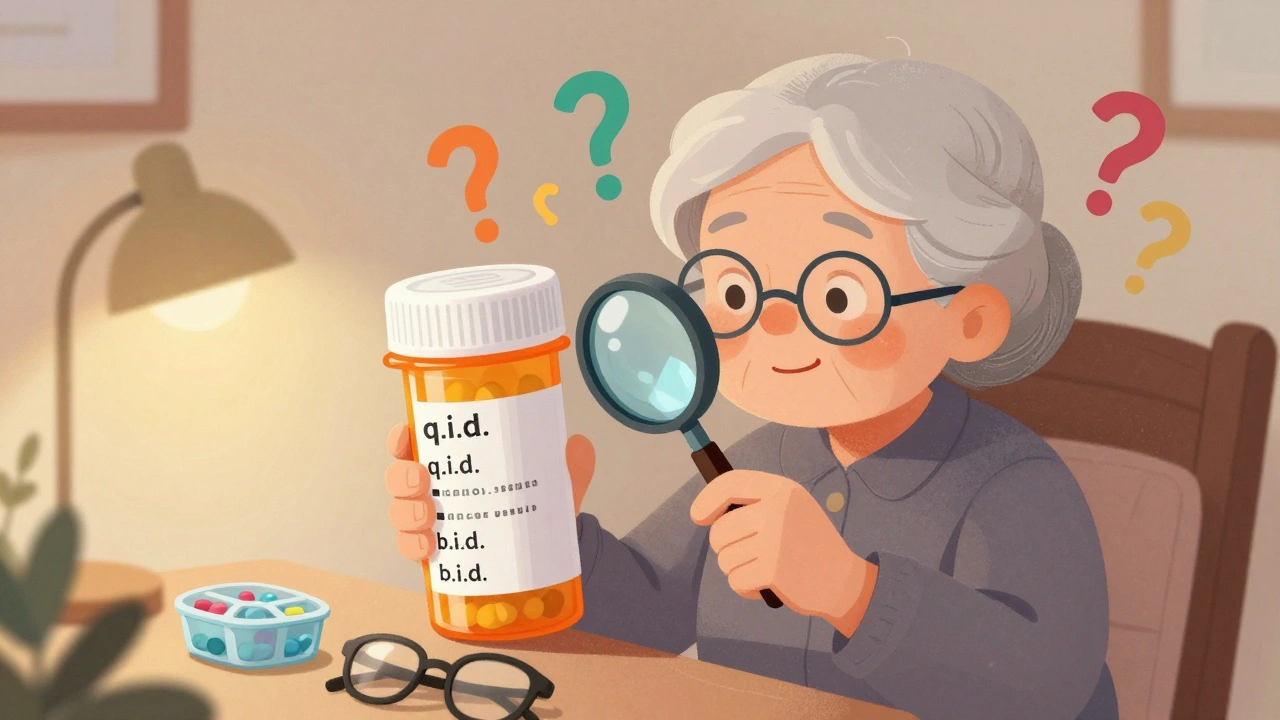
Understanding Drug Labels: A Complete Medication Label Breakdown
Learn how to read prescription and over-the-counter drug labels to avoid dangerous medication errors. Understand active ingredients, dosage, warnings, and what to ask your pharmacist for safer use. -
7 Dec
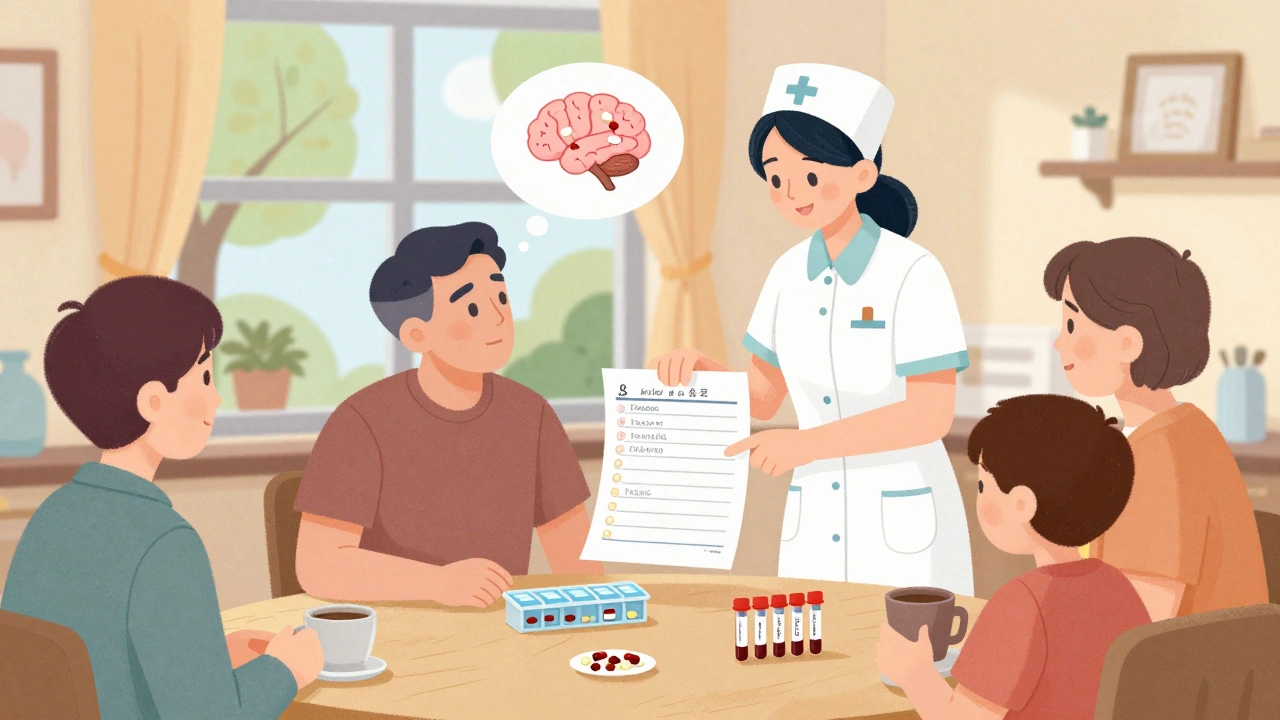
Medication Safety and Mental Health: How to Coordinate Care to Prevent Harm
Medication safety in mental health requires coordinated care to prevent dangerous errors. Learn how medicines reconciliation, electronic systems, and team-based approaches reduce harm from psychotropic drugs.
- Recent
- Popular