PPIs: What They Are, How They Work, and What You Need to Know
When you hear PPIs, proton pump inhibitors are medications that reduce stomach acid by blocking the enzyme system that produces it. Also known as proton pump blockers, they’re among the most prescribed drugs in the world for heartburn, ulcers, and GERD. But knowing what they do isn’t the same as knowing how to use them safely. Many people take PPIs for months—or years—without realizing the side effects or why they might not need them anymore.
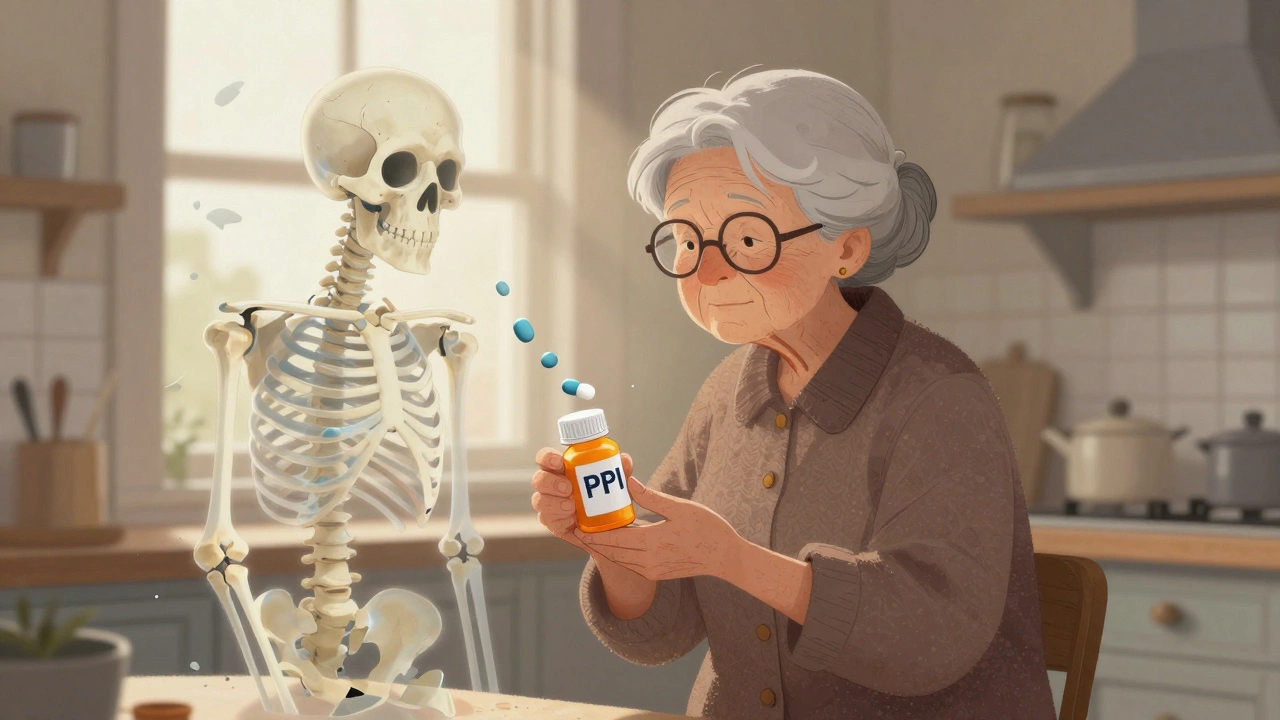
PPIs don’t just treat symptoms. They change how your stomach works. By shutting down acid production, they let damaged tissue heal, which is why they’re so effective for Barrett’s esophagus or peptic ulcers. But your stomach needs acid to digest food, kill bacteria, and absorb nutrients like vitamin B12, calcium, and magnesium. Long-term use can lead to deficiencies, bone loss, or even infections like C. diff. That’s why doctors now recommend the lowest dose for the shortest time possible.
Related to PPIs are conditions like GERD, gastroesophageal reflux disease, a chronic condition where stomach acid flows back into the esophagus, and treatments like antacids, over-the-counter medications that neutralize stomach acid quickly but don’t last. PPIs are stronger and longer-lasting, but they’re not always the first step. Lifestyle changes—cutting caffeine, avoiding late meals, losing weight—can make a big difference. And if you’ve been on PPIs for more than a few months, it’s worth asking if you still need them.
The posts here cover real-world issues you won’t find in drug ads. You’ll find guides on reading labels for acid-reducing meds, how PPIs interact with other drugs like antibiotics and blood thinners, and why some people get rebound heartburn when they stop. There’s also info on how long-term use affects kidney health, bone density, and gut bacteria. You’ll see how PPIs fit into broader topics like medication safety, generic substitution, and managing costs under Medicare. This isn’t just about what PPIs do—it’s about how to use them wisely, when to question them, and what alternatives might work better for you.
-
8 Dec
- Recent
- Popular